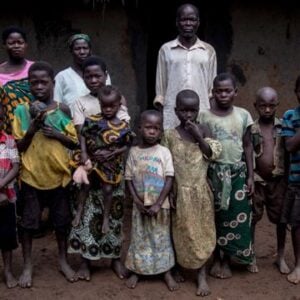
The United Nations World Food Programme (WFP) has launched a three-month emergency response in Liberia to provide immediate food and nutrition support to 11,500 people affected by the Mpox outbreak. The assistance is aimed at individuals and families facing isolation and disrupted access to food, helping them cope with the impact of public health measures introduced to contain the spread of the disease.
As Mpox cases continue to rise across Liberia, the emergency operation will address urgent food and nutrition needs in all 15 counties. The response is designed to support families and communities affected by isolation, contact monitoring, and surveillance measures, ensuring that people can continue to access essential food while complying with outbreak control efforts. This rapid intervention is being made possible through a partnership with the Mastercard Foundation.
Mpox was first detected in Liberia in January 2024, and the outbreak worsened through 2025 before continuing into 2026 with sustained transmission. According to government health data, the country has recorded more than 1,600 confirmed cases, over 10,000 listed contacts, and 190 people currently under active follow-up. These figures reflect the continuing scale of the public health challenge and the need for coordinated humanitarian support.
WFP noted that public health measures such as isolation, contact tracing, and community surveillance remain essential for containing the outbreak, but they can also create serious hardships for vulnerable households. In a country where more than 418,000 people are already experiencing acute food insecurity, the lack of food can make it difficult for families to fully comply with isolation requirements, increasing the risk of further transmission.
At the request of the National Public Health Institute of Liberia and in close coordination with the Ministry of Health and partners through the national Incident Management System, WFP is delivering the emergency assistance through cash transfers over a three-month period. The support is prioritizing patients in isolation, contacts under surveillance, and communities considered to be at the highest epidemiological risk, allowing affected families to buy food safely while maintaining compliance with health measures.
WFP has stressed that the response is both urgent and time-sensitive, particularly as the organization faces major funding constraints in Liberia. The agency has said it urgently needs US$1 million to sustain emergency food and nutrition assistance over the next three months. It also emphasized that this support is critical not only for preventing hunger among affected families, but also for reinforcing the country’s broader public health response to the Mpox outbreak.