Governance in Pakistan directly shapes whether reforms lead to tangible results, influencing everything from climate finance allocation to women’s access to services, market fairness, and citizen experiences of state responsiveness and justice. Recognizing this, the Pakistan Governance Forum (PGF) 2026 brought together policymakers, practitioners, and development partners to explore how Pakistan can move from ambition to implementation.
Held in Islamabad on February 25–26 and convened by the Ministry of Planning, Development & Special Initiatives with support from UNDP and the UK FCDO, PGF 2026 built on the momentum of the 2023 Forum. More than 500 participants and over 100 speakers, including federal and provincial leaders, parliamentarians, civil servants, private sector representatives, civil society, and academics, engaged across 25 thematic sessions. The Forum, organized under the URAAN Pakistan initiative and structured around the “5Es” (Equity, Exports, Energy, Environment, and e-Pakistan), aimed to connect reforms across sectors often treated in isolation.
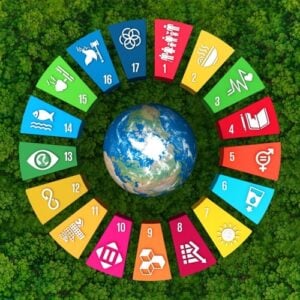
UNDP’s support highlights the central role of governance in achieving the Sustainable Development Goals, ensuring resources are allocated efficiently, services are delivered effectively, rights are protected, and public trust is rebuilt. In a context of economic constraints and rising climate risks, improved governance also strengthens the state’s capacity to deliver at scale, reduce waste, and attract investment.
The Forum was inaugurated by Prime Minister Muhammad Shehbaz Sharif, who emphasized institutional strengthening and a whole-of-government approach for transparent fiscal management and equitable development. Federal Minister Professor Ahsan Iqbal highlighted long-term planning and institutional reform as foundations for sustainable national progress. UNDP Pakistan Resident Representative Dr. Samuel Rizk stressed that translating macroeconomic stabilization into sustained, inclusive growth depends on strong institutions, coordinated service delivery, and renewed public trust.
The opening plenary featured senior leaders including the Federal Minister for Law & Justice Azam Nazeer Tarar, British High Commissioner Jane Marriott, Chief Ministers Syed Murad Ali Shah and Justice Yar Muhammad, and Advisor Muzzamil Aslam. Discussions focused on stronger institutions, accountability, digital governance solutions, and equitable development. Day one concluded with a keynote by Deputy Prime Minister Mohammad Ishaq Dar, reaffirming Pakistan’s commitment to strategic partnerships and diplomacy in service of its people.
Day two emphasized the role of Parliament and accountability in governance, with National Assembly Speaker Ayaz Sadiq highlighting the importance of democratic oversight and citizen-responsive governance. A key session moderated by Dr. Rizk, based on UNDP’s publication Development Advocate Pakistan, examined how governments can rebuild trust through institutional credibility, responsive services, and transparent decision-making, particularly as citizen expectations rise and public systems face increasing pressure.