• Skip to primary navigation
  • Skip to main content
  • Skip to primary sidebar

fundsforNGOs News

Grants and Resources for Sustainability

  • Subscribe for Free
  • Premium Support
  • Premium Login
  • Premium Sign up
  • Home
  • Funds for NGOs
    • Agriculture, Food and Nutrition
    • Animals and Wildlife
    • Arts and Culture
    • Children
    • Civil Society
    • Community Development
    • COVID
    • Democracy and Good Governance
    • Disability
    • Economic Development
    • Education
    • Employment and Labour
    • Environmental Conservation and Climate Change
    • Family Support
    • Healthcare
    • HIV and AIDS
    • Housing and Shelter
    • Humanitarian Relief
    • Human Rights
    • Human Service
    • Information Technology
    • LGBTQ
    • Livelihood Development
    • Media and Development
    • Narcotics, Drugs and Crime
    • Old Age Care
    • Peace and Conflict Resolution
    • Poverty Alleviation
    • Refugees, Migration and Asylum Seekers
    • Science and Technology
    • Sports and Development
    • Sustainable Development
    • Water, Sanitation and Hygiene (WASH)
    • Women and Gender
  • Funds for Companies
    • Accounts and Finance
    • Agriculture, Food and Nutrition
    • Artificial Intelligence
    • Education
    • Energy
    • Environment and Climate Change
    • Healthcare
    • Innovation
    • Manufacturing
    • Media
    • Research Activities
    • Startups and Early-Stage
    • Sustainable Development
    • Technology
    • Travel and Tourism
    • Women
    • Youth
  • Funds for Individuals
    • All Individuals
    • Artists
    • Disabled Persons
    • LGBTQ Persons
    • PhD Holders
    • Researchers
    • Scientists
    • Students
    • Women
    • Writers
    • Youths
  • Funds in Your Country
    • Funds in Australia
    • Funds in Bangladesh
    • Funds in Belgium
    • Funds in Canada
    • Funds in Switzerland
    • Funds in Cameroon
    • Funds in Germany
    • Funds in the United Kingdom
    • Funds in Ghana
    • Funds in India
    • Funds in Kenya
    • Funds in Lebanon
    • Funds in Malawi
    • Funds in Nigeria
    • Funds in the Netherlands
    • Funds in Tanzania
    • Funds in Uganda
    • Funds in the United States
    • Funds within the United States
      • Funds for US Nonprofits
      • Funds for US Individuals
      • Funds for US Businesses
      • Funds for US Institutions
    • Funds in South Africa
    • Funds in Zambia
    • Funds in Zimbabwe
  • Proposal Writing
    • How to write a Proposal
    • Sample Proposals
      • Agriculture
      • Business & Entrepreneurship
      • Children
      • Climate Change & Diversity
      • Community Development
      • Democracy and Good Governance
      • Disability
      • Disaster & Humanitarian Relief
      • Environment
      • Education
      • Healthcare
      • Housing & Shelter
      • Human Rights
      • Information Technology
      • Livelihood Development
      • Narcotics, Drugs & Crime
      • Nutrition & Food Security
      • Poverty Alleviation
      • Sustainable Develoment
      • Refugee & Asylum Seekers
      • Rural Development
      • Water, Sanitation and Hygiene (WASH)
      • Women and Gender
  • News
    • Q&A
  • Premium
    • Premium Log-in
    • Premium Webinars
    • Premium Support
  • Contact
    • Submit Your Grant
    • About us
    • FAQ
    • NGOs.AI
You are here: Home / cat / How Gender-Responsive Financing Empowers Women Entrepreneurs

How Gender-Responsive Financing Empowers Women Entrepreneurs

Dated: March 9, 2026

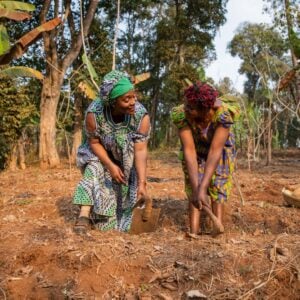
Women play a central role in local economies across Sub-Saharan Africa, yet persistent barriers in access to finance, energy, and productive assets limit their economic potential. In energy-poor contexts, women bear disproportionate unpaid labor, health risks, and financial exclusion, even as they form the backbone of household and small enterprise activity. Limited access to reliable and affordable energy further compounds inequality, as productive assets—such as irrigation pumps, cold storage, and clean cooking technologies—can significantly increase women’s earnings but often remain out of reach due to high costs and constrained financing.

The Gender Results-Based Financing (RBF) pilot, implemented by Shell Foundation in partnership with Odyssey Energy Solutions and CrossBoundary Advisory, tested whether targeted, results-based incentives could help energy companies reach more women customers while generating measurable economic outcomes. US$500,000 supported four appliance distributors in Kenya, Nigeria, and Tanzania, providing clean cookstoves, solar irrigation pumps, cold storage, and agricultural processing equipment. Importantly, the program mandated women’s ownership of these assets, ensuring that income and control accrued directly to women end-users.

The results were significant: 2,494 income-generating appliances were sold to women, most of whom had no prior access to similar technologies. Independent assessments found that 81% of women reported increased income, with average monthly earnings rising by US$61.60, translating to over US$4.6 million in additional net income over the appliances’ lifetimes. Beyond financial gains, women experienced improved ability to save, greater financial resilience, better respiratory health, and cleaner home environments, demonstrating that access to productive energy tools can transform both economic and social outcomes.

Key insights from the pilot highlighted the effectiveness of women-to-women sales models, the importance of designing financing and marketing around household decision-making dynamics, and the potential for quick uptake when affordability and accessibility barriers are lowered. The pilot also revealed operational complexities with end-user subsidies and emphasized that longer program horizons and stronger enterprise-level support would enhance sustainability and impact. Digital platforms for data collection, verification, and disbursement were noted as critical for scaling gender-responsive financing.

The Gender RBF pilot underscores that financing intentionally designed around women’s realities can unlock substantial economic and social returns. By providing women access to the right tools and resources, businesses and development programs can catalyze inclusive growth, improve community wellbeing, and demonstrate that women are a viable and valuable market segment. This approach shows that supporting women’s economic empowerment is not just equitable—it is a driver of broader market and societal development.

Related Posts

  • UN Agencies Spotlight Justice and Resources for Women Farmers in 2026
  • UN Rome Agencies Spotlight Women Farmers’ Access to Justice and Support on IWD 2026
  • Côte d’Ivoire Leading the Way: Inspiring Women in Leadership
  • Five Ways Evidence Is Boosting Women’s Economic Participation
  • Employment-Intensive Investments Drive Rights and Justice for Women

Primary Sidebar

Latest News

Women’s Solar Training Empowers Communities and Education

Adapting to U.S. Funding Shifts: Faith-Based Health Care in Kenya & Zambia

How Literacy Drives Gender Equality and Women’s Empowerment

Call for Nominations: 2026 UNESCO Prize for Women’s Education

Asia-Pacific Schools Lead in Disaster Preparedness Education

WHO Foundation, Lilly Partner to Boost Obesity Care

Taiwan Launches Gender Equality Week in NYC Ahead of UN Session

Nigeria Declared World’s Poverty Capital, Says Peter Obi

Advancing Gender Justice in Arab States: A Development Priority

Flood Relief Funding: Ontario Invests in Nairn and Hyman

Kyrgyzstan: Women and Girls with Disabilities Face Widespread Abuse

US Abortion Restrictions Linked to Preventable Deaths

Russia Labels Top LGBT Rights Group as ‘Extremist’

As Women’s Rights Are Dismantled, Democracy Faces Collapse

Iran’s Internet Blackout Threatens Civilians and Violates Rights

Gender Equality as a National Security Priority in Australia

Oil Spills and Gas Leaks in Nigeria: Government Must Act Fast

Israeli Military’s Broad Evacuation Orders in Lebanon Fuel Panic, Suffering

New Afghan Criminal Regulations Threaten Women and Minority Rights

Why Promoting Girls in STEM Is Vital for Vietnam’s Tech Growth

Africa Launches Locally-Led Seagrass Conservation Projects

How Gender-Responsive Financing Empowers Women Entrepreneurs

Landmark Wind Power Project in Argentina Supported by IFC

£1.67 Million Now Available Through Expanded Grant Scheme

Lebanon Crisis: Causes, Impact, and How You Can Help

Angola Strengthens Health Security with IHR Compliance Progress

Government of Canada Boosts Support for Victims of Gender-Based Violence

Funding to Improve Access to Sexual and Reproductive Health Services

Canada Funding to Boost the Prairies’ Forest Industry

£100,000 Fund to Boost Women’s Participation in Public Decision-Making

Women Drive Seaweed Industry Growth in Zanzibar

Employment-Intensive Investments Drive Rights and Justice for Women

ILO Backs Skills Body to Transform Ethiopia’s Tourism Workforce

Addis Ababa Opens Daycare Centre for Domestic Workers with ILO Support

ILO Pilot Hub Helps Match Skills to Jobs in Bosnia and Herzegovina

Zambia Starts 100 Days of Productivity Activism Campaign

Rural Banks in Indonesia Advance Gender-Responsive Business Development

ILO and Zambia Launch Employment Impact Assessment for Luangwa–Mwami Road

World Bank Financing Supports Angola’s Reform and Job Creation

World Bank Supports South Africa Infrastructure Finance Plan

Funds for NGOs
Funds for Companies
Funds for Media
Funds for Individuals
Sample Proposals

Contact us
Submit a Grant
Advertise, Guest Posting & Backlinks
Fight Fraud against NGOs
About us

Terms of Use
Third-Party Links & Ads
Disclaimers
Copyright Policy
General
Privacy Policy

Premium Sign in
Premium Sign up
Premium Customer Support
Premium Terms of Service

©FUNDSFORNGOS LLC.   fundsforngos.org, fundsforngos.ai, and fundsforngospremium.com domains and their subdomains are the property of FUNDSFORNGOS, LLC 1018, 1060 Broadway, Albany, New York, NY 12204, United States.   Unless otherwise specified, this website is not affiliated with the abovementioned organizations. The material provided here is solely for informational purposes and without any warranty. Visitors are advised to use it at their discretion. Read the full disclaimer here. Privacy Policy. Cookie Policy.