Europe’s agricultural sector is entering a critical transition as the EU begins implementing its Carbon Removals and Carbon Farming framework. This new voluntary certification system aims to establish how soil carbon and land-based removals are recognised, yet farmers continue to operate under unstable conditions and fragmented rules. Measurement systems, financial incentives and advisory structures remain misaligned, creating barriers that influence what practices farmers adopt, how companies invest and how progress is evaluated.
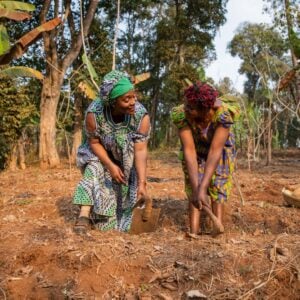
Over the past four years, the EU-funded ClieNFarms project has examined these systemic challenges through real-world farm experimentation and broader system analysis. Its work across twenty demonstration sites shows that climate action succeeds only when evidence, incentives and advisory systems support one another. When policy signals are stable, markets reward effort and financial tools help share risk, farmers are more willing to test and maintain low-carbon practices.
The project also found that effective change depends on collaboration. Through co-creation spaces known as Creative Arenas, farmers, advisers, supply-chain actors and researchers explored climate solutions together. These exchanges helped participants understand how routine farm decisions are shaped by wider system dynamics and strengthened the conditions for practical adoption.
ClieNFarms highlighted the difficulty of defining climate progress due to conflicting indicators. Measures can influence emissions, soil health, resilience and biodiversity in different ways, and indicators used per product, per hectare or per farm often point in different directions. This makes it challenging to develop policies and value-chain strategies that recognise both immediate mitigation and long-term resilience.
The project’s work on soil carbon modelling revealed strong potential tempered by data gaps and usability issues. Reliable modelling depends on high-quality inputs, consistent sampling and clear guidance. As soil carbon becomes more prominent in EU policy, stronger data governance and accessible tools will be essential to build trust in carbon farming methodologies.
ClieNFarms leaves behind a rich evidence base and a clearer understanding of the systemic conditions needed for climate-neutral agriculture. Its findings highlight the need for coherent advisory services, stable policy frameworks, shared financial risk and evidence standards that reflect real farm conditions. As the EU advances the CRCF framework, these insights offer timely direction for building a climate-neutral, farmer-centred agricultural future.
Climate KIC continues to support the shift toward resilient and regenerative food systems by connecting policymakers, innovators and practitioners. Through farmer networks, climate-smart agriculture initiatives and platforms for collaboration, it aims to make sustainable agriculture practical, scalable and economically viable.