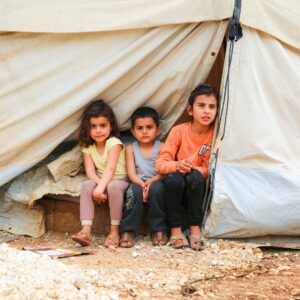
More than 42,000 refugees have voluntarily returned home across West and Central Africa this year, bringing the total number of returnees to over 272,000 since 2021. The majority have gone back to Nigeria and the Central African Republic (CAR), with an additional 10,000 Central African refugees expected to return from neighbouring countries by the end of the year. These returns mark significant progress for communities recovering from years of displacement.
UNHCR, the UN Refugee Agency, emphasized that sustaining this positive momentum depends heavily on securing additional funding to ensure that returns remain voluntary, safe, and sustainable. Successful returns require more than crossing borders—they depend on secure conditions, access to land, documentation, and essential services that enable refugees to rebuild their lives. Investment in reintegration is crucial to support long-term stability and self-reliance among returnees.
Recent surveys conducted by UNHCR reveal that many refugees remain eager to return home despite ongoing challenges. Around 80,000 Central African refugees in Cameroon and Chad have expressed a desire to return once conditions improve. Under the 2024–2028 Solutions Plan, UNHCR and its partners aim to assist 60,000 refugees to return to the CAR in 2026, part of an ambitious plan targeting up to 300,000 returns in the coming years, reflecting greater regional stability and cooperation.
Regional peace and cooperation frameworks are playing a vital role in facilitating safe returns. In February 2025, UNHCR, alongside the Governments of Chad and Nigeria, signed a Tripartite Agreement to enable the voluntary and dignified repatriation of Nigerian refugees from Chad, with similar discussions underway with Niger. The June 2025 Washington Peace Agreement between the Democratic Republic of the Congo (DRC) and Rwanda, along with the July Doha Declaration of Principles between the DRC and M23, further reinforced commitments to voluntary repatriation in line with earlier agreements. Building on this progress, UNHCR has facilitated 5,000 returns in 2025 and plans to assist 10,000 Rwandan refugees to return from the DRC in 2026.
However, the momentum achieved so far is at risk due to critical funding shortfalls. Without urgent financial support, repatriation and reintegration programs could be disrupted, leaving thousands of refugees stranded and reliant on humanitarian assistance. UNHCR has appealed for flexible, multi-year funding to sustain voluntary returns and reintegration efforts, helping thousands more families rebuild their lives and contribute to community recovery and regional stability.
While many returns have taken place safely and voluntarily, some have occurred under challenging and insecure conditions, underscoring the fragile security situation in parts of the region. UNHCR continues to call for strengthened peacebuilding efforts and regional coordination to ensure that all refugee returns are safe, dignified, and durable, reaffirming its commitment to working closely with governments and partners to make this possible.