The Inter-American Development Bank (IDB) has approved a $100 million loan to enhance Uruguay’s water and solid waste management systems, with a focus on resilience and promoting a circular economy. The initiative aims to strengthen the country’s water supply system and benefit all 3.5 million residents, especially the two million people living in the Montevideo metropolitan area.
This loan is the second in a two-part programmatic series of operations that are technically linked but financed independently. It is designed not only to improve living conditions for citizens but also to support the private sector, particularly agricultural and industrial enterprises, by improving water quality, increasing solid waste circularity, and encouraging investment in sustainable practices.
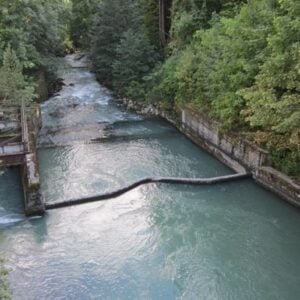
The program will enable departmental governments to implement improved solid waste management plans while advancing key reforms such as water loss reduction measures, early warning systems for urban flooding, and the creation of a new regulatory framework for water pollution control.
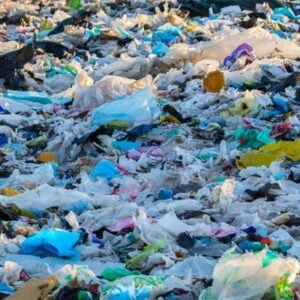
In the area of solid waste management, Uruguay will launch initiatives to facilitate food donations and reduce food waste, develop regulations for electrical and electronic waste, and establish guidelines for managing construction and demolition debris to promote recycling and reuse. The program will also introduce a traceability plan for end-of-life batteries, including those from electric vehicles, to support recycling and reduce landfill disposal.
The $100 million IDB loan carries a 19.5-year repayment term, a six-year grace period, and an interest rate tied to the Secured Overnight Financing Rate (SOFR), providing long-term financial support for Uruguay’s sustainable development goals.