• Skip to primary navigation
  • Skip to main content
  • Skip to primary sidebar

fundsforNGOs News

Grants and Resources for Sustainability

  • Subscribe for Free
  • Premium Support
  • Premium Login
  • Premium Sign up
  • Home
  • Funds for NGOs
    • Agriculture, Food and Nutrition
    • Animals and Wildlife
    • Arts and Culture
    • Children
    • Civil Society
    • Community Development
    • COVID
    • Democracy and Good Governance
    • Disability
    • Economic Development
    • Education
    • Employment and Labour
    • Environmental Conservation and Climate Change
    • Family Support
    • Healthcare
    • HIV and AIDS
    • Housing and Shelter
    • Humanitarian Relief
    • Human Rights
    • Human Service
    • Information Technology
    • LGBTQ
    • Livelihood Development
    • Media and Development
    • Narcotics, Drugs and Crime
    • Old Age Care
    • Peace and Conflict Resolution
    • Poverty Alleviation
    • Refugees, Migration and Asylum Seekers
    • Science and Technology
    • Sports and Development
    • Sustainable Development
    • Water, Sanitation and Hygiene (WASH)
    • Women and Gender
  • Funds for Companies
    • Accounts and Finance
    • Agriculture, Food and Nutrition
    • Artificial Intelligence
    • Education
    • Energy
    • Environment and Climate Change
    • Healthcare
    • Innovation
    • Manufacturing
    • Media
    • Research Activities
    • Startups and Early-Stage
    • Sustainable Development
    • Technology
    • Travel and Tourism
    • Women
    • Youth
  • Funds for Individuals
    • All Individuals
    • Artists
    • Disabled Persons
    • LGBTQ Persons
    • PhD Holders
    • Researchers
    • Scientists
    • Students
    • Women
    • Writers
    • Youths
  • Funds in Your Country
    • Funds in Australia
    • Funds in Bangladesh
    • Funds in Belgium
    • Funds in Canada
    • Funds in Switzerland
    • Funds in Cameroon
    • Funds in Germany
    • Funds in the United Kingdom
    • Funds in Ghana
    • Funds in India
    • Funds in Kenya
    • Funds in Lebanon
    • Funds in Malawi
    • Funds in Nigeria
    • Funds in the Netherlands
    • Funds in Tanzania
    • Funds in Uganda
    • Funds in the United States
    • Funds within the United States
      • Funds for US Nonprofits
      • Funds for US Individuals
      • Funds for US Businesses
      • Funds for US Institutions
    • Funds in South Africa
    • Funds in Zambia
    • Funds in Zimbabwe
  • Proposal Writing
    • How to write a Proposal
    • Sample Proposals
      • Agriculture
      • Business & Entrepreneurship
      • Children
      • Climate Change & Diversity
      • Community Development
      • Democracy and Good Governance
      • Disability
      • Disaster & Humanitarian Relief
      • Environment
      • Education
      • Healthcare
      • Housing & Shelter
      • Human Rights
      • Information Technology
      • Livelihood Development
      • Narcotics, Drugs & Crime
      • Nutrition & Food Security
      • Poverty Alleviation
      • Sustainable Develoment
      • Refugee & Asylum Seekers
      • Rural Development
      • Water, Sanitation and Hygiene (WASH)
      • Women and Gender
  • News
    • Q&A
  • Premium
    • Premium Log-in
    • Premium Webinars
    • Premium Support
  • Contact
    • Submit Your Grant
    • About us
    • FAQ
    • NGOs.AI
You are here: Home / cat / Libya Launches Sahara Desert’s First Solar Power Plant to Boost Renewable Energy

Libya Launches Sahara Desert’s First Solar Power Plant to Boost Renewable Energy

Dated: September 1, 2025

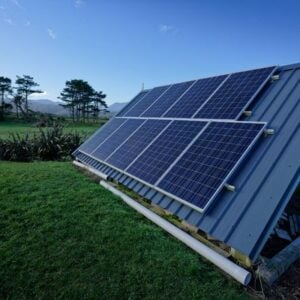
Libya has officially commissioned its first solar power facility in the remote southeastern town of Kufra, located deep in the Sahara Desert near Egypt, Sudan, and Chad. Developed by Infinity Libya in partnership with the Al-Jouf Free Zone, the 1 MW installation became fully operational just eight months after the agreement was signed in September 2024. The plant’s annual output, estimated at around 2,182 megawatt-hours, will provide clean electricity to the industrial hub of the Al‑Jouf Free Zone, powering approximately 500 to 1,000 households depending on consumption levels. The project also brings significant environmental benefits, displacing roughly 545,000 liters of diesel each year and cutting around 1,300 metric tons of carbon dioxide emissions annually.

This initiative reflects Libya’s broader ambition to diversify its energy supply, despite being one of Africa’s largest oil holders with 48 billion barrels of proven reserves as of early 2024, accounting for roughly 41% of the continent’s total. Rising electricity demand, projected to reach 20 GW by the end of 2025, has accelerated the push for sustainable power solutions. Libya’s energy policy aims for 4 GW of renewable capacity by 2035, targeting renewables to account for about 20% of the country’s energy mix. A newly announced national solar program plans a $10 billion investment in solar infrastructure to achieve 4 GW by 2035, which could meet roughly 40% of national electricity needs.

The national program includes flagship projects such as the Kufra station, a 500 MW plant in Saddada developed with TotalEnergies, a Ghadames project financed by AG Energy, rooftop solar initiatives totaling 500 MW, and a large 1,500 MW development in eastern Libya involving PowerChina and EDF. In Kufra, the facility is fully operated by locally trained Libyan engineers, highlighting the project’s focus on building domestic technical expertise and creating regional employment opportunities.

Infinity Libya’s leadership hailed the Kufra plant as a model for sustainable development and local collaboration. Chairman Mohamed Ismail Mansour emphasized its role as a turning point for renewable energy, while Managing Director Fahd Benhalim noted that it sets the stage for expanding clean energy into sectors such as agriculture, oil and gas, and industry. Although modest compared to Libya’s vast oil infrastructure, the successful delivery of the Kufra solar plant establishes a precedent for locally driven renewable projects and signals a shift toward harnessing the desert sun as a central component of Libya’s sustainable energy future.
Related Posts

  • Canada Invests $33M in Indigenous-Led Solar Energy Project in Saskatchewan
  • ADB and Sun Pacific Energy Partner on $2.8M Solar Expansion in Samoa
  • World Bank Report Outlines Strategies for Energy Security and Job Creation in East Asia
  • Over $6.8 Million from PacifiCan to Boost Innovation and Entrepreneurship in Coquitlam
  • UK PACT Supports South African Municipalities to Achieve Energy Independence

Primary Sidebar

Latest News

Afghan Education Strengthened Through UNESCO Support to NGOs

FIFA Foundation Steps Up Aid for Hurricane Melissa Victims

£250,000 Grant Opens for Community and Creative Projects in Belfast

What Oregon’s Transport Funding Struggles Teach the Nation

Key Insights from Running AMP & RCPP Agricultural Programs

Inspiring African Youth Success Stories in Governance and Peacebuilding

Andean Agriculture: Slopes That Sustain the World

A Decade of EU Research for Sustainable Agri-Food

Antonio Guterres Raises Alarm Over Global Human Rights Abuses

Moldova’s Green Transition: Why Local Solutions Matter

Ukraine Recovery: $588 Billion Needed Over 10 Years

Updated Report Reveals Ukraine’s $588B Reconstruction Needs

Apply Now: Green Assist Supports Green Investment Initiatives

EU/Israel: Calls Grow for Palestinians’ Rights to Lead Peace Agenda

Finland Grants €20M to Strengthen Humanitarian Response in Ukraine

Advancing Adolescent Health in Central and West Africa

Introducing the GSMA Innovation Fund for Sustainable Mobile Solutions

Leading the Fight Against AMR: Ghana Advances People-Focused Strategies in Africa

WHO Hosts Global Experts in Brazzaville to Boost Filovirus Clinical Care

UN Alerts: 280,000 Displaced Amid Escalating South Sudan Fighting

Ministers Celebrate Key Step Forward for Endangered Bird Conservation

20 Years of the Maritime Labour Convention: Ensuring Workers’ Rights at Sea

Asia Migrant Workers Struggle in Fishing and Seafood Processing

Updated Report: Ukraine’s Recovery and Reconstruction Needs

World Bank Partnership Boosts Job Creation in Papua New Guinea

Congo Basin Countries Chart Carbon Market Strategies

Malawi Economy Outlook: Unlocking Private Sector Growth

Timor-Leste Uses Data-Driven Census to Boost Social Protection and Reduce Child Stunting

SME Success Stories Worldwide: Insights Nepal Can Adopt (II)

Small Grants, Big Lessons: Sustainability in Global Health

Lessons from Three Megadiverse Countries on Biodiversity Protection

RAIN Challenge Insights: Driving Innovation for Climate Resilience

$10 Million Fund to Advance AI Designed By and For People

Albania and UK Exchange Best Practices on Constituency Engagement

Why Strong Education Systems Drive Life Skills Development

Georgia Advances Aquaculture with National Fish Traceability Integration

FAO Assists Tuvalu in Launching First National Crops and Livestock Census

Climate-Smart Equipment Strengthens Dryland Farming and Restores Landscapes

Miombo Woodland Restoration in Zimbabwe Boosted by FAO Training

Deaf Farmers in Egypt Boost Yields Through Adapted Field Schools

Funds for NGOs
Funds for Companies
Funds for Media
Funds for Individuals
Sample Proposals

Contact us
Submit a Grant
Advertise, Guest Posting & Backlinks
Fight Fraud against NGOs
About us

Terms of Use
Third-Party Links & Ads
Disclaimers
Copyright Policy
General
Privacy Policy

Premium Sign in
Premium Sign up
Premium Customer Support
Premium Terms of Service

©FUNDSFORNGOS LLC.   fundsforngos.org, fundsforngos.ai, and fundsforngospremium.com domains and their subdomains are the property of FUNDSFORNGOS, LLC 1018, 1060 Broadway, Albany, New York, NY 12204, United States.   Unless otherwise specified, this website is not affiliated with the abovementioned organizations. The material provided here is solely for informational purposes and without any warranty. Visitors are advised to use it at their discretion. Read the full disclaimer here. Privacy Policy. Cookie Policy.