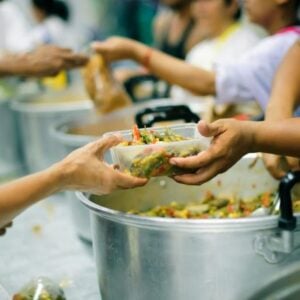
Hunger and malnutrition are worsening among Rohingya refugees in Bangladesh, with an estimated 35% expected to face crisis or emergency hunger levels between September and December this year.
More than one million Rohingya refugees live across around 30 camps in Cox’s Bazar, where children account for more than half of the population. Humanitarian funding cuts and reduced food rations have intensified existing problems, including overcrowding, limited access to clean water, inadequate nutrition and few livelihood opportunities.
Around 25% of refugees are expected to experience IPC Phase 3, or crisis hunger, or worse, while approximately 10% could face emergency hunger conditions.
For many Rohingya families, food insecurity begins before children are even born. Ramida*, a 30-year-old refugee mother, said she struggled to access enough food during her pregnancy because of her family’s financial difficulties.
Her three-year-old son, Rakib*, was born underweight and later developed severe acute malnutrition. He received treatment at Save the Children’s Maternal and Child Health Hospital in the refugee camp.
Save the Children provides nutrition screening, treatment, maternal nutrition support and feeding assistance to vulnerable mothers and children. However, preventing malnutrition requires sustained access to nutritious food, healthcare and clean water.
Rohingya refugees are also facing serious climate and security threats. Monsoon-triggered landslides in July killed 10 people, including children, students and a teacher.
As conditions deteriorate, some refugees are attempting dangerous sea journeys in search of safety and better opportunities. About 900 Rohingya people, including children, were reportedly missing or dead at sea in 2025.
Nine years after the mass displacement from Myanmar, an entire generation of Rohingya children has grown up in refugee camps without a lasting solution to their displacement.
Save the Children is urging the international community to address the humanitarian funding gap, protect refugee rights and accelerate efforts toward a safe and sustainable future for Rohingya families.
The worsening hunger crisis highlights the urgent need for international support to ensure that Rohingya children have access to food, healthcare, education, protection and a future beyond prolonged displacement.