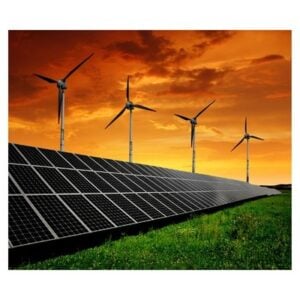
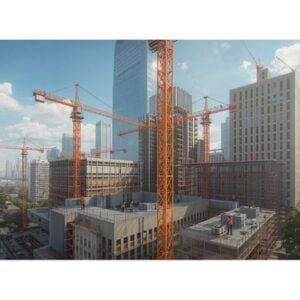
Bangladesh has launched a new initiative to accelerate its transition toward sustainable, energy‑efficient, and climate‑resilient urban development. The five‑year project, Promoting Energy‑Related Low Carbon Urban Development (LCUD) in Bangladesh, was introduced in Dhaka by the Sustainable and Renewable Energy Development Authority (SREDA) under the Power Division, in partnership with the United Nations Development Programme (UNDP). Supported by a US$3.7 million grant from the Global Environment Facility, the initiative will promote renewable energy adoption, energy‑efficient infrastructure, and low‑carbon urban planning solutions to reduce greenhouse gas emissions in rapidly growing cities.
Speaking at the launch, K M Ali Reza of the Power Division emphasized that dependence on imported fuel remains a major challenge to energy sovereignty. He highlighted the importance of investment‑grade projects backed by scalable business models and strong financial linkages. UNDP’s Sonali Dayaratne stressed that urbanization presents both challenges and opportunities for climate action, noting that the LCUD project reflects a partnership across government, development partners, and the private sector to mobilize investment in practical low‑carbon solutions.
SREDA Chairman Muzaffar Ahmed described the LCUD project as a practical, result‑oriented initiative focused on unlocking environmental and economic benefits through cooperation among government agencies, city corporations, and private stakeholders. Other speakers, including project leaders from SREDA and UNDP Bangladesh, echoed the importance of collaboration and innovation.
With rapid urbanization putting pressure on energy systems and the environment, the LCUD project will support investments in energy‑efficient buildings, rooftop solar power, and waste‑to‑energy solutions in key urban areas such as Dhaka and Chittagong. Over its lifetime, the initiative is expected to reduce more than 1.5 million tonnes of greenhouse gas emissions, contributing significantly to Bangladesh’s national climate goals and offering a replicable model for sustainable urban development.