• Skip to primary navigation
  • Skip to main content
  • Skip to primary sidebar

fundsforNGOs News

Grants and Resources for Sustainability

  • Subscribe for Free
  • Premium Support
  • Premium Login
  • Premium Sign up
  • Home
  • Funds for NGOs
    • Agriculture, Food and Nutrition
    • Animals and Wildlife
    • Arts and Culture
    • Children
    • Civil Society
    • Community Development
    • COVID
    • Democracy and Good Governance
    • Disability
    • Economic Development
    • Education
    • Employment and Labour
    • Environmental Conservation and Climate Change
    • Family Support
    • Healthcare
    • HIV and AIDS
    • Housing and Shelter
    • Humanitarian Relief
    • Human Rights
    • Human Service
    • Information Technology
    • LGBTQ
    • Livelihood Development
    • Media and Development
    • Narcotics, Drugs and Crime
    • Old Age Care
    • Peace and Conflict Resolution
    • Poverty Alleviation
    • Refugees, Migration and Asylum Seekers
    • Science and Technology
    • Sports and Development
    • Sustainable Development
    • Water, Sanitation and Hygiene (WASH)
    • Women and Gender
  • Funds for Companies
    • Accounts and Finance
    • Agriculture, Food and Nutrition
    • Artificial Intelligence
    • Education
    • Energy
    • Environment and Climate Change
    • Healthcare
    • Innovation
    • Manufacturing
    • Media
    • Research Activities
    • Startups and Early-Stage
    • Sustainable Development
    • Technology
    • Travel and Tourism
    • Women
    • Youth
  • Funds for Individuals
    • All Individuals
    • Artists
    • Disabled Persons
    • LGBTQ Persons
    • PhD Holders
    • Researchers
    • Scientists
    • Students
    • Women
    • Writers
    • Youths
  • Funds in Your Country
    • Funds in Australia
    • Funds in Bangladesh
    • Funds in Belgium
    • Funds in Canada
    • Funds in Switzerland
    • Funds in Cameroon
    • Funds in Germany
    • Funds in the United Kingdom
    • Funds in Ghana
    • Funds in India
    • Funds in Kenya
    • Funds in Lebanon
    • Funds in Malawi
    • Funds in Nigeria
    • Funds in the Netherlands
    • Funds in Tanzania
    • Funds in Uganda
    • Funds in the United States
    • Funds within the United States
      • Funds for US Nonprofits
      • Funds for US Individuals
      • Funds for US Businesses
      • Funds for US Institutions
    • Funds in South Africa
    • Funds in Zambia
    • Funds in Zimbabwe
  • Proposal Writing
    • How to write a Proposal
    • Sample Proposals
      • Agriculture
      • Business & Entrepreneurship
      • Children
      • Climate Change & Diversity
      • Community Development
      • Democracy and Good Governance
      • Disability
      • Disaster & Humanitarian Relief
      • Environment
      • Education
      • Healthcare
      • Housing & Shelter
      • Human Rights
      • Information Technology
      • Livelihood Development
      • Narcotics, Drugs & Crime
      • Nutrition & Food Security
      • Poverty Alleviation
      • Sustainable Develoment
      • Refugee & Asylum Seekers
      • Rural Development
      • Water, Sanitation and Hygiene (WASH)
      • Women and Gender
  • News
    • Q&A
  • Premium
    • Premium Log-in
    • Premium Webinars
    • Premium Support
  • Contact
    • Submit Your Grant
    • About us
    • FAQ
    • NGOs.AI
You are here: Home / cat / Türkiye Railway Jobs: Empowering Women in Transport

Türkiye Railway Jobs: Empowering Women in Transport

Dated: April 7, 2026

Türkiye is seizing the opportunity to create more and better jobs for women in the transport sector, a critical part of the World Bank Group’s development agenda focused on empowering youth and strengthening communities. Investments in infrastructure, including railways, roads, electricity, and digital access, are key pathways to building human and physical capital, creating business opportunities, and enabling women and young people to participate fully in economic growth.

Transport remains one of the most male-dominated sectors worldwide, with women representing only 12 percent of the workforce, despite making up 37 percent of graduates in engineering, manufacturing, and construction. Closing this gender gap requires targeted policies, private investment, and investment in human capital, including education and skills development. Internships have emerged as an effective tool for bridging the gap between academic training and professional opportunities.

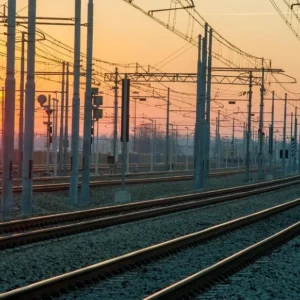
Türkiye’s Rail Logistics Improvement Project (RLIP), supported by the World Bank and the Ministry of Transport and Infrastructure (MoTI), illustrates this approach. Between 2020 and 2025, 250 final-year STEM students participated in internships directly aligned with their academic backgrounds. Structured supervision, mentorship, performance evaluations, and financial support, including stipends and insurance, ensured meaningful engagement and reduced barriers to entry.

The results highlight the impact: employment rates for graduates were 80 percent for the 2022 cohort and 50 percent for the 2023 cohort, with most securing their first professional roles in areas related to their internships. The program’s success also demonstrates strong demand for career-entry initiatives among women in male-dominated industries, growing from an initial target of 20 participants to 250.

By embedding gender inclusion in a national ministry project, Türkiye has set a benchmark for the broader transport and logistics sector. Programs are expanding under new World Bank-financed projects, offering longer post-internship job placement support and increasing the number of female interns. The model is replicable across transport operators, logistics companies, and infrastructure agencies in Türkiye and the region, requiring commitment, thoughtful design, and tracking of outcomes.

Ultimately, this initiative has opened doors for 250 women to gain hands-on experience, professional networks, and career opportunities, demonstrating how targeted interventions in male-dominated sectors can drive broader gender inclusion and contribute to sustainable economic growth.
Related Posts

  • World Bank Backs $8.3 Billion Rail Mega Project to Boost Türkiye’s Global Logistics Role
  • World Bank Launches EUR Sustainable Development Bond for Italian Investors
  • Women’s Health Crisis: How Lack of Knowledge Drives Illness
  • DR Congo Women Break Workplace Barriers
  • Eastern Chad Crisis Deepens as Funding Cuts Impact Women and Girls

Primary Sidebar

Latest News

Rupantar Project: Integrated Extension Services Boost Farming Diversity

Strengthening Human Development and Resilience in Ukraine

Rising Demand and Costs Challenge Food Aid Charities

India Delivers Emergency Relief to Afghanistan

Caribbean Strengthens Climate Resilience for a Sustainable Future

NZ Rejects WHO Pandemic Regulations: Implications Explained

NZ Rejects WHO Pandemic Regulations: Implications Explained

Myanmar’s Path to Inclusive Recovery: Supporting Women with Disabilities

National Policy Dialogue Boosts Cambodia’s Disaster Resilience

Empowering Women for Peace in Rural Indonesia: Volunteer Stories

Russell Family Foundation Invests $2.3M in Environmental Education and Climate Solutions

Campus Sexual Harassment: Challenges and Best Practices

World Health Day 2026: WHO Calls for Unity and Support for Science

Funding Boost for Highland Refugee Film Initiative

Asia Fund II: $220M Raised by Circulate Capital for Circular Economy Growth

Circulate Capital Secures $220M for Asia Circular Economy Fund

WINGS Initiative: Supporting Nigeria’s Displaced Women

Mongolia Housing Upgrades Boost Urban Jobs

Scaling Mobile Data for Statistics in West Africa

Türkiye Railway Jobs: Empowering Women in Transport

South Sudan Development: Strengthening Resilience and Governance

Development Accounting for Accountants: A Practical Perspective

Financial Institutions and the Emerging Resilience Market

Investing in Armenia: How Tourism Boosts Local Economies

Bangladesh Gas Sector Project: Efficiency and Carbon Reduction Opportunities

Turning Ethiopia’s State-Owned Enterprises into Growth Engines

Women’s Health Crisis: How Lack of Knowledge Drives Illness

TotalEnergies Faces $7.4B Setback in South Africa, Raising African Oil Risks

UN80 Initiative Moves to Delivery Phase as Member States Review Progress

Improving Nutrition in Pakistan: Key Initiatives and Impact

Brazil: IDB Backs $80M for Rio Grande do Sul Infrastructure, MSME Support

Ukraine’s Heating Resilience: Lessons for Europe

Building Digital Skills for Jobs: Lessons from Zambia’s TVET

Empowering Communities: Civil Society Partnerships for Water Security in Asia-Pacific

Guyana’s Carbon Market Success: Lessons for Caribbean Green Finance

75 Years of Strategic Philanthropy: Lessons from the Joyce Foundation

India Plastic Waste Rules 2026: Recycled Content Mandate and Stricter EPR Norms

Malawi COVID-19 Lessons: Systemic Risks and Disaster Resilience

Building a Stronger NGO Framework in Lesotho: Key Lessons from Sierra Leone

India Tightens Foreign NGO Funding Rules with New FCRA Amendment

Funds for NGOs
Funds for Companies
Funds for Media
Funds for Individuals
Sample Proposals

Contact us
Submit a Grant
Advertise, Guest Posting & Backlinks
Fight Fraud against NGOs
About us

Terms of Use
Third-Party Links & Ads
Disclaimers
Copyright Policy
General
Privacy Policy

Premium Sign in
Premium Sign up
Premium Customer Support
Premium Terms of Service

©FUNDSFORNGOS LLC.   fundsforngos.org, fundsforngos.ai, and fundsforngospremium.com domains and their subdomains are the property of FUNDSFORNGOS, LLC 1018, 1060 Broadway, Albany, New York, NY 12204, United States.   Unless otherwise specified, this website is not affiliated with the abovementioned organizations. The material provided here is solely for informational purposes and without any warranty. Visitors are advised to use it at their discretion. Read the full disclaimer here. Privacy Policy. Cookie Policy.