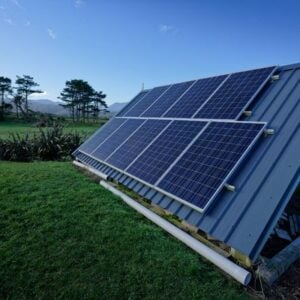
The global transition to clean energy is not only a technological shift from fossil fuels to renewable sources such as solar, wind, hydro, and hydrogen, but also a transformation that depends on who leads, invests in, and benefits from these systems. Women play a critical role in ensuring this transition is inclusive, innovative, and sustainable. Through strategic investments, such as those managed by the Joint SDG Fund, barriers to financing for women-led renewable energy enterprises are being reduced, creating opportunities for economic growth and energy access, particularly in developing countries.
In Zimbabwe, for example, a partnership between the Joint SDG Fund and Old Mutual launched a renewable energy investment platform that supports women-led enterprises, helping to scale solar, hydro, biomass, and mini-grid technologies while addressing energy access gaps. The platform, initially $30 million and expanding toward $100 million, demonstrates how aligning finance, policy, and private sector engagement can empower women entrepreneurs and build robust renewable energy markets. Beyond financing, women’s participation in STEM disciplines, engineering, research, and decision-making positions is essential for shaping the innovations and policies that will define the energy systems of the future.
Ensuring women’s leadership across laboratories, boardrooms, and policy forums extends the benefits of clean energy to communities, powering schools, hospitals, businesses, and digital connectivity while strengthening local economies. The clean energy transition represents one of the most significant economic transformations of our time, with trillions of dollars expected to flow into renewable infrastructure and technologies. By centering women as leaders in this movement, the transition becomes not only greener but also more inclusive, innovative, and sustainable for all.