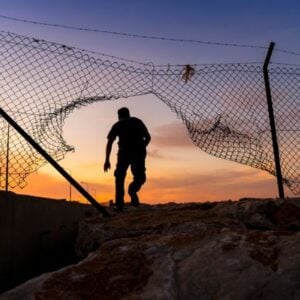
As of 17 March 2026, more than 125,000 people had crossed from Lebanon into Syria, according to the International Organization for Migration’s Displacement Tracking Matrix. Most of those arriving are Syrian nationals, while around 7,000 are Lebanese, reflecting how the conflict is increasingly affecting the wider region. Between 2 and 16 March alone, over 82,000 people were recorded arriving across all 14 governorates of Syria, with children making up around half of the total arrivals.
IOM warned that the risk of a much larger displacement crisis is increasing rapidly as humanitarian needs continue to grow. The agency stressed that response capacities inside Syria and across the region must be urgently expanded, warning that without immediate international support, critical assistance will fall short for families who have already suffered severe losses.
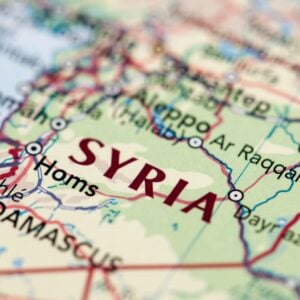
The growing number of arrivals is placing additional strain on Syria’s already fragile infrastructure and public services, which remain severely weakened after more than a decade of crisis. Key destination areas such as Ar-Raqqa, Damascus and Homs are facing mounting pressure, and any further rise in arrivals could overwhelm local systems and trigger new waves of internal displacement.
People arriving from Lebanon are spread across the country, with Ar-Raqqa alone receiving around 21 percent of arrivals, many of them in remote areas where access to food, water and healthcare is already limited. Others have settled in densely populated urban areas around Damascus, further increasing pressure on already overstretched basic services.
Across all locations, many families are arriving with little or no resources. Cash assistance has emerged as one of the most urgent needs, alongside food, shelter and healthcare, as many displaced people have already exhausted their limited coping mechanisms.
IOM emphasized that all movements must remain safe, voluntary and dignified, and highlighted the urgent need for a protection-centred humanitarian response, especially given the high proportion of children among those arriving. The organization also echoed the United Nations Secretary-General’s call for restraint and immediate de-escalation, stressing that civilians, including migrants and displaced people, must be protected at all times and that international humanitarian law must be fully respected.