Lebanon is facing a severe and unprecedented water crisis driven by the combined impact of historic drought, ongoing conflict and deepening economic hardship. On World Water Day, humanitarian agencies warned that the country’s water emergency is not simply the result of natural conditions, but a consequence of conflict, poverty and inadequate international support. Reservoir levels have fallen to critical lows due to the worst drought in decades, while renewed military escalation since 2 March 2026 has displaced more than one million people and placed immense pressure on already fragile water infrastructure.
The drought has significantly reduced water availability across the country, putting pressure on both household supply systems and agricultural production, especially in rural areas hosting displaced populations. Lebanon’s national water system is highly vulnerable because it depends heavily on diesel-powered pumps, meaning that without fuel, water distribution quickly stops. This structural weakness has made the country especially susceptible to disruptions caused by both the drought and the ongoing conflict.
The military escalation that began in early March has sharply worsened the situation. Bombardments have reportedly hit infrastructure connected to the South Lebanon Water Establishment, including facilities in the Qennarit area that had already suffered damage from earlier airstrikes in January. Even water systems that remain functional are facing urgent fuel shortages needed to continue pumping water and managing wastewater. Humanitarian groups have warned that if these supplies run out, the consequences will be immediate and severe, with water services halting and the risk of disease outbreaks rising rapidly.
The scale of displacement has further intensified the crisis. In the first 24 hours after the escalation began, around 29,000 people were forced to flee their homes. By 19 March, the number of registered displaced people had surpassed 1,049,000. Many are being hosted in 633 collective shelters, a large number of which are already overcrowded, while others are living in cars, abandoned buildings or open spaces. In these conditions, access to safe water has become one of the most urgent humanitarian needs.
Newly displaced families are often moving into areas that are already under strain from earlier waves of displacement, including Lebanese communities displaced since 2024 and Syrian refugee populations. This is placing additional pressure on water networks that were never designed to serve such large numbers of people. As a result, many families in conflict-affected areas are increasingly dependent on private water trucking services, which are often unregulated and unaffordable for households that have already lost their livelihoods and resources.
Overcrowded shelters and informal settlements are also creating serious public health risks. Poor hygiene and limited access to clean water are increasing the likelihood of waterborne diseases such as cholera, dysentery and intestinal infections. These risks are especially dangerous for young children, pregnant women and people with chronic illnesses, who are more vulnerable to the effects of contaminated water and poor sanitation.
The water crisis is also having major consequences for agriculture and food security. Bombardments have damaged irrigation systems, agricultural equipment and productive farmland, making it harder for farmers to continue working. Many were already struggling due to drought and rising input costs, and now face additional challenges such as unsafe access to fields and the use of water of uncertain quality. This threatens both crop production and public health. Even before the latest escalation, food insecurity in Lebanon was already severe, with an estimated 874,000 people facing crisis or emergency levels of acute food insecurity between November 2025 and March 2026, including 22,000 in emergency conditions. Although inflation eased in 2025, household purchasing power remained weak, especially among displaced communities.
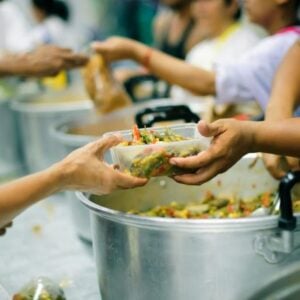
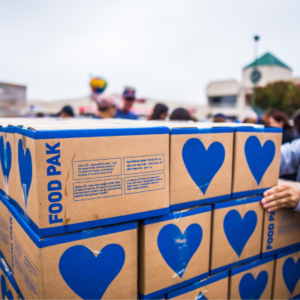
Action Against Hunger, which has operated in Lebanon since 2006, activated emergency response mechanisms immediately after the March escalation. By 19 March 2026, the organisation had reached more than 35,000 people across all eight governorates of Lebanon with multi-sectoral assistance, including in hard-to-reach areas. Its teams have been supporting 139 collective shelters and providing essential water, sanitation, hygiene, health, nutrition and food security assistance. This has included distributing bottled water, trucking in additional water supplies, providing hygiene kits, blankets and mattresses, offering primary healthcare and reproductive health services, supporting hospitals, screening children and pregnant or breastfeeding women for malnutrition, and distributing ready-to-eat food parcels. Despite these efforts, significant needs remain unmet, with humanitarian agencies estimating that up to 40 percent of food needs are still uncovered due to resource shortages.
Humanitarian organisations are calling on the international community to take urgent action, including pushing for an immediate ceasefire, ensuring safe and unrestricted humanitarian access, and increasing financial support for relief operations. They have warned that funding gaps are dangerously high, with UNICEF’s three-month response plan requiring US$48 million and more than 83 percent of that amount still unavailable as of early March 2026. Without rapid and adequate support, thousands of families in Lebanon risk losing access to even the most basic resources needed for survival, including safe drinking water, food and healthcare.