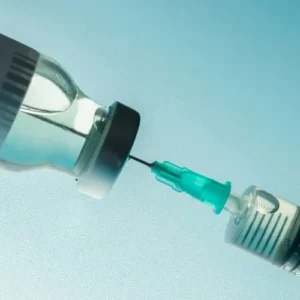
In 2024, an estimated 20.6 million children worldwide missed their first dose of the measles vaccine, contributing to a renewed global surge of the disease. As a result, 59 countries experienced large or disruptive outbreaks during the year. With vaccination coverage declining in several regions across Europe, Africa and North America, measles is resurging and exposing weaknesses in public health systems, schools and community services.
Two recent studies highlight the broader consequences of outbreaks beyond the immediate health impact. Research from Stanford University examining a major outbreak in Texas found that student absences rose far beyond the number of confirmed infections. Although 141 students were estimated to have contracted measles in one school district, isolation guidance would have accounted for no more than 564 missed school days. Instead, absences increased by 41 percent compared with previous years, resulting in 5,822 missed school days—roughly ten times higher than expected based solely on confirmed cases. Fear of exposure, quarantine measures and precautionary exclusions amplified the disruption, particularly among younger children, where absences rose by as much as 71 percent.
Extended school absences can have lasting educational and social consequences. Students miss instructional time, teachers must adjust lesson pacing to accommodate returning pupils, and families face additional burdens such as lost workdays and childcare challenges. The findings suggest that declining vaccination rates in some communities could lead to substantial educational disruption if outbreaks continue to spread.
A separate study of an outbreak in Birmingham, United Kingdom, revealed the intense strain measles can place on healthcare facilities. Over a nine-month period, 366 children were tested for measles and 161 cases were confirmed. Nearly 30 percent required hospital admission, resulting in 257 hospital bed days. Containment measures required rapid isolation, extensive contact tracing and post-exposure treatment for vulnerable patients. More than 2,300 exposure notification letters were issued, and hospital staff were redeployed to manage screening and infection control. Researchers warned that delayed isolation can increase the risk of transmission, particularly in crowded emergency departments.
Measles is especially disruptive because of its extreme contagiousness. In populations without immunity, one infected person can spread the virus to up to 18 others. The virus lingers in the air for up to two hours in enclosed spaces and is contagious before the characteristic rash appears, making early detection difficult. These factors allow outbreaks to escalate quickly and strain already stretched systems.
The broader lesson from these studies is that measles outbreaks create ripple effects across communities, affecting hospitals, schools and families alike. In lower-resource settings, the impact can be even more severe, overwhelming paediatric wards and diverting healthcare staff from routine services. However, experts emphasize that such disruption is largely preventable. Ensuring children receive two doses of the measles vaccine remains the most effective way to prevent outbreaks, protect vulnerable populations and maintain stability in education and healthcare systems.