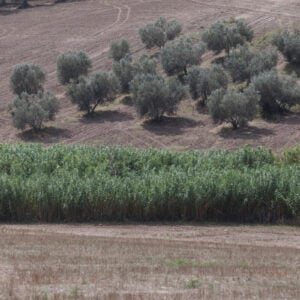
Wildfire risk is increasing across Europe due to hotter summers and changes in land use, making effective land and fire management a growing priority. A recent report on Cyprus provides important lessons, highlighting the development of the country’s first Integrated Fire Management strategy, which emphasizes prevention, active land stewardship, and community involvement rather than relying solely on firefighting. The report identifies land abandonment as a key driver of wildfire risk, as unmanaged vegetation accumulates and creates dangerous fuel loads around forests and communities. Supporting living, working rural landscapes is therefore crucial for reducing vulnerability and maintaining both safety and biodiversity.
The Cyprus strategy promotes a holistic approach that combines vegetation management, rural development, and public education, ensuring communities remain resilient and informed about fire risks. It validates traditional land management practices such as controlled grazing and prescribed burning, recognizing that livestock and carefully managed fire can significantly reduce fuel loads and prevent high-intensity wildfires when applied under proper guidance. These measures are supported by frameworks and training to protect biodiversity and public safety, reflecting practices long used by farmers and gamekeepers in other rural landscapes.
Community collaboration is central to the strategy’s success. Over 100 stakeholders from 50 organizations, including local communities, government agencies, and researchers, participated in developing the approach. Tools such as the Pyropolis simulation helped diverse groups work through wildfire scenarios together, fostering mutual understanding and shared responsibility. The report demonstrates that effective wildfire prevention depends not only on technical measures but also on horizontal cooperation, where governments, land managers, and communities collaborate to protect both lives and ecosystems.