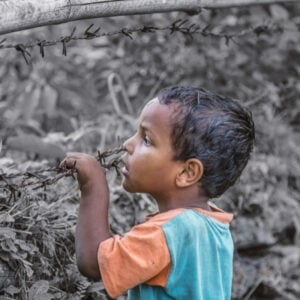
Children are disproportionately affected by crimes against humanity, including murder, rape, torture, and slavery, often in the context of widespread or systematic attacks on civilian populations. These atrocities can inflict physical and psychological harm that is more severe and long-lasting than for adults, affecting their development and wellbeing throughout their lives. Unlike war crimes or genocide, there is currently no dedicated international treaty obliging countries to prosecute or extradite those responsible for crimes against humanity. To address this gap, diplomats from around the world will meet at the United Nations in New York from January 19 to 30 to advance the drafting of such a treaty.
Despite the urgency, the current draft treaty mentions children only twice—once in the preamble and once in the definition of enslavement—and fails to capture many forms of child-specific victimization. Age-based persecution, recruitment and use of children in armed conflict, children born of rape, forced witnesses to atrocities, and provisions for children accused of crimes are largely absent. Without explicit attention, children risk being overlooked, as international justice mechanisms have historically focused on adult victims, and reparation programs often exclude children.
To address these gaps, thirty-eight organizations and child rights experts have proposed concrete amendments to ensure a future crimes against humanity convention explicitly protects children. Their recommendations emphasize incorporating children into the definitions of crimes, providing for their safe participation in legal processes, and ensuring fair treatment for children accused of crimes. Lessons from recent progress in international and domestic justice show that it is both practical and necessary to address children’s unique vulnerabilities in mass atrocity settings.
As the UN negotiations proceed, countries should champion the inclusion and protection of children in every aspect of the treaty. Explicitly addressing children’s experiences is essential to ensure that future accountability mechanisms, reparations, and justice processes recognize their specific needs and vulnerabilities. Children need dedicated protection under international law, and urgent action is required to safeguard their rights.