Masspara village, situated in Badapaktari Panchayat, Jharkhand, faced severe challenges in accessing clean and reliable water before 2025. Residents relied on a nearby spring well located at a lower elevation, which required women and children to walk long distances daily, carry heavy pots of water, and climb back uphill. This task consumed several hours each day, delaying children’s schooling and limiting women’s time for household and livelihood activities. During summer, the reduced flow of the spring well made fetching water even more difficult, highlighting the need for a sustainable solution to improve health, hygiene, and overall quality of life.
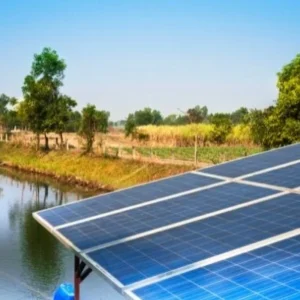
In response, a 2 HP solar-powered water pumping system was installed in Masspara in 2025, accompanied by a 5,000-litre storage tank at a higher elevation. The system pumps water from the spring well into the elevated tank using solar energy, which then supplies direct tap connections to 47 households in the village. The solar pump operates during the day, ensuring the tank is replenished regularly and providing water for drinking, cooking, bathing, and washing clothes, all while eliminating the strenuous daily labor of water collection.
Before the installation, fetching water was a major burden for villagers. Women like Sita Devi spent nearly three hours each day carrying heavy pots uphill, often making multiple trips, while children, especially girls, had their schooling and playtime interrupted. Harsh weather conditions made accessing the spring well even more dangerous. The struggle for water affected the daily routine, health, and opportunities for personal development of the entire community.
After the solar system was installed, life in Masspara transformed significantly. Households gained direct access to water at their doorstep, saving hours of daily labor. Sita Devi notes that the time saved allows her to cook, clean, and help her children with school. The system has also strengthened community management, with villagers collectively monitoring and maintaining the storage tank, handling minor technical issues themselves, and protecting the system from theft or damage. Readily available water has improved hygiene, reduced fatigue and stress among women, and given children more time for study and play.
The Masspara solar water project serves as a model for sustainable rural water supply, illustrating how renewable energy combined with community ownership can provide reliable long-term solutions. Lessons from the project include the importance of community participation, the benefits of renewable energy for sustainability, and the transformative impact of direct water access on education, livelihoods, and well-being. Looking ahead, the community plans to maintain the system collectively, explore expansion to nearby households, and share their experiences with other villages to promote replicable, sustainable water solutions, showcasing the power of technology and local engagement in improving rural lives.