• Skip to primary navigation
  • Skip to main content
  • Skip to primary sidebar

fundsforNGOs News

Grants and Resources for Sustainability

  • Subscribe for Free
  • Premium Support
  • Premium Login
  • Premium Sign up
  • Home
  • Funds for NGOs
    • Agriculture, Food and Nutrition
    • Animals and Wildlife
    • Arts and Culture
    • Children
    • Civil Society
    • Community Development
    • COVID
    • Democracy and Good Governance
    • Disability
    • Economic Development
    • Education
    • Employment and Labour
    • Environmental Conservation and Climate Change
    • Family Support
    • Healthcare
    • HIV and AIDS
    • Housing and Shelter
    • Humanitarian Relief
    • Human Rights
    • Human Service
    • Information Technology
    • LGBTQ
    • Livelihood Development
    • Media and Development
    • Narcotics, Drugs and Crime
    • Old Age Care
    • Peace and Conflict Resolution
    • Poverty Alleviation
    • Refugees, Migration and Asylum Seekers
    • Science and Technology
    • Sports and Development
    • Sustainable Development
    • Water, Sanitation and Hygiene (WASH)
    • Women and Gender
  • Funds for Companies
    • Accounts and Finance
    • Agriculture, Food and Nutrition
    • Artificial Intelligence
    • Education
    • Energy
    • Environment and Climate Change
    • Healthcare
    • Innovation
    • Manufacturing
    • Media
    • Research Activities
    • Startups and Early-Stage
    • Sustainable Development
    • Technology
    • Travel and Tourism
    • Women
    • Youth
  • Funds for Individuals
    • All Individuals
    • Artists
    • Disabled Persons
    • LGBTQ Persons
    • PhD Holders
    • Researchers
    • Scientists
    • Students
    • Women
    • Writers
    • Youths
  • Funds in Your Country
    • Funds in Australia
    • Funds in Bangladesh
    • Funds in Belgium
    • Funds in Canada
    • Funds in Switzerland
    • Funds in Cameroon
    • Funds in Germany
    • Funds in the United Kingdom
    • Funds in Ghana
    • Funds in India
    • Funds in Kenya
    • Funds in Lebanon
    • Funds in Malawi
    • Funds in Nigeria
    • Funds in the Netherlands
    • Funds in Tanzania
    • Funds in Uganda
    • Funds in the United States
    • Funds within the United States
      • Funds for US Nonprofits
      • Funds for US Individuals
      • Funds for US Businesses
      • Funds for US Institutions
    • Funds in South Africa
    • Funds in Zambia
    • Funds in Zimbabwe
  • Proposal Writing
    • How to write a Proposal
    • Sample Proposals
      • Agriculture
      • Business & Entrepreneurship
      • Children
      • Climate Change & Diversity
      • Community Development
      • Democracy and Good Governance
      • Disability
      • Disaster & Humanitarian Relief
      • Environment
      • Education
      • Healthcare
      • Housing & Shelter
      • Human Rights
      • Information Technology
      • Livelihood Development
      • Narcotics, Drugs & Crime
      • Nutrition & Food Security
      • Poverty Alleviation
      • Sustainable Develoment
      • Refugee & Asylum Seekers
      • Rural Development
      • Water, Sanitation and Hygiene (WASH)
      • Women and Gender
  • News
    • Q&A
  • Premium
    • Premium Log-in
    • Premium Webinars
    • Premium Support
  • Contact
    • Submit Your Grant
    • About us
    • FAQ
    • NGOs.AI
You are here: Home / cat / Driving Local Development Through Effective Climate Action

Driving Local Development Through Effective Climate Action

Dated: November 12, 2025

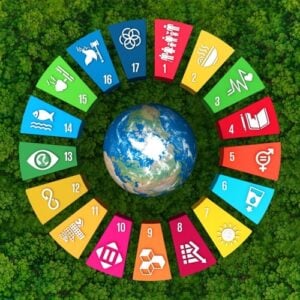
This year marks the tenth anniversary of both the Paris Agreement and the Sustainable Development Goals (SDGs), two landmark international frameworks that are increasingly shaping the economies of the future. Today, local development is inseparable from climate resilience, decarbonization transitions, and environmental sustainability. Countries are now presenting their third generation of Nationally Determined Contributions (NDCs), which go beyond setting decarbonization targets to offer blueprints for strengthening local economies.

When preparing NDCs, governments address three key frontiers: land, energy, and resilience. Land underpins societies, regulating carbon and water cycles, supporting food production, and sustaining rural livelihoods and biodiversity. Sustainable land management therefore advances both climate goals and economic development. For example, Ecuador’s NDC aligns land and forest governance with REDD+ finance, incentivizing farmers to conserve forests and enabling deforestation-free coffee production in partnership with the private sector. Cambodia’s NDC similarly promotes sustainable land use and supports rural communities and Indigenous Peoples. Brazil has launched the Tropical Forest Forever Facility, channeling billions annually to forests while allocating funds directly to Indigenous Peoples and local communities. UNDP’s Forest Guardians Investment Accelerator further promotes equitable partnerships between private companies and Indigenous Peoples to protect forests while supporting local livelihoods.

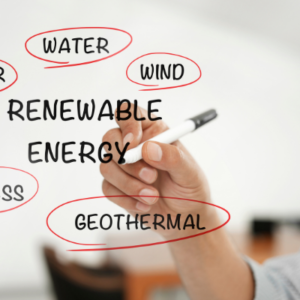
Energy transitions serve as another critical driver of local development. Shifting to renewable energy reduces emissions while expanding economic opportunities. UNDP and the Pardee Institute estimate that combining renewable energy solutions with SDG-aligned policies could lift tens of millions out of extreme poverty by 2030 and nearly 200 million by 2050, with the largest impact in sub-Saharan Africa. Investments in solar mini-grids, wind, and micro-hydro systems improve energy access, support local enterprises, create jobs, and accelerate low-carbon development, demonstrating the synergy between climate action and economic growth.

Resilience is the third frontier, crucial across all sectors. Climate impacts are intensifying, threatening livelihoods, economies, and GDP. Adaptation measures—from restoring mangroves in Kenya, Vietnam, and Colombia to women-led climate initiatives in India—enhance community resilience while supporting livelihoods. Investment in resilient infrastructure yields substantial returns, with studies showing that every dollar not spent on disaster resilience can result in up to $33 in future losses. Adaptation is thus both a climate necessity and a strategic economic investment.

To integrate climate action with economic development, UNDP promotes three policy methods under the Climate Promise. “Connect” emphasizes cross-sectoral coordination among government ministries and stakeholders to design resilient development pathways. “Include” focuses on engaging local communities, Indigenous Peoples, women, and youth, whose knowledge and leadership enhance climate outcomes, as seen in Ecuador where women’s participation improved forest protection and sustainable farming. “Finance” aligns national budgets, private banks, environmental funds, and philanthropies with climate goals to maximize impact.

The Paris Agreement provides an international blueprint to drive local economies toward a sustainable future. By transforming land management, energy systems, and development finance, it supports economic development, climate adaptation, and environmental sustainability. Its enduring legacy will depend on safeguarding forests, sustaining farms, decarbonizing energy, and building resilient communities that can thrive amid climate challenges.

Related Posts

  • Jobs in a Changing Climate: How the Green Transition Is Reshaping Employment
  • African Development Bank’s SEFA Leads COP30 Discussion on Financing Renewable Energy and Energy Access in Africa
  • Nepal Enhances Disaster Preparedness with ADB, IDA, and Switzerland Partnership for Climate-Resilient Infrastructure
  • EIB Supports Ecuador with $100M Investment in Water, Sanitation, and Waste Systems
  • Blended Finance for Sustainable Energy: Scaling Impact and Advancing the SDGs

Primary Sidebar

Latest News

New Vaccine Customs Code Introduced to Boost Emergency and Pandemic Preparedness

Pandemic Preparedness in 2026: Lessons Learned Six Years After COVID-19

Dr Azinu: India’s Seed Cluster Model Holds Key to Transforming Ghana’s Agriculture

Supporting Indigenous Climate Leaders in Cambodia: The Role of Direct Grants

Côte d’Ivoire: IFC and CGECI Partner to Support Local Enterprises and Employment Growth

Regional Drive for PCB Elimination Strengthened at Abidjan Stockholm Convention Workshop

Submit Your Proposal for Confidence-Building Initiatives

IFAD Launches 2026 with SEK 750M Sustainable Bond Supporting Global Small-Scale Farmers

IFAD Launches SEK 750M Sustainable Bond to Strengthen Global Development Financing

E-Commerce Success Stories: How Companies Keep Customers Coming Back

Learning from the Best: Case Studies of Successful Crisis Management in Business

Europe’s Path to Climate Neutrality: Lessons Learned from 52 Citizen-Led Cities

Antarctic Cooperation Strengthened: Germany and New Zealand Issue Joint Statement

New Zealand-Germany Partnership Boosts Cooperation Across Sectors

Strengthening Social Protection: ILO Backs Social Security Expansion in Laos

New Initiative Protects Ukrainians in the Energy Sector, Led by ILO and Netherlands

Tackling ‘Forever Chemicals’: UK Launches Groundbreaking National Plan

46,000 Workers Gain Social Security Benefits as Estidama++ Project Concludes

Barnsley Leads the Way as UK’s Inaugural Tech Town with Government Support

Undersea Cables: The Hidden Network Keeping the World Connected

Global Health Under Threat as Funding Reductions Bite, Says WHO

Limited Reopening of Gaza’s Rafah Crossing Brings Relief and Anxiety

Lebanon-Israel Tensions: UN Halts Peacekeeping Patrols on Blue Line

The Importance of Antenatal Care: Ensuring Safe Pregnancies

Humanitarian Aid Reaches Flood Victims in Mozambique

Africa’s Social Enterprises: Lessons for the Next Decade and Leadership Responses

Fiji and Palau Strengthen Regional Cooperation on Climate-Related Planned Relocation

UNICEF Supports Education in Zimbabwe with ICT Device Donation

Nairobi Meeting: GPE and Kenya Advance Global Education Financing Initiatives

IOM Launches Emergency Response After Fire Hits Rohingya Refugee Camp in Cox’s Bazar

Education Out Loud Grant Agent Opportunity: Submit Your Expression of Interest

IIED Compendium: Promising Case Studies on Adaptation Finance in SIDS and LDCs

KIX Issues Request for Expression of Interest for Grant Agent

The Freshwater Challenge Explained: Goals, Impact, and Global Significance

Minister McEntee Launches Global Celebration of Creativity, Culture and Women’s Empowerment

Creative Clusters 2026–2028: Minister Naughton Calls for School Applications

Boat Tragedies in the Mediterranean Highlight Urgent Call for New Migration Approach, Says UNHCR

Transforming Iraq’s Water Crisis Through Natural Innovations and Reeds of Hope

Madrid Hosts Flagship Executive Training to Advance Urban Resilience and Sustainable City Transformation

UNDP Supports Maldives in Building Green Investment Pipelines and Mobilizing Climate Finance

Funds for NGOs
Funds for Companies
Funds for Media
Funds for Individuals
Sample Proposals

Contact us
Submit a Grant
Advertise, Guest Posting & Backlinks
Fight Fraud against NGOs
About us

Terms of Use
Third-Party Links & Ads
Disclaimers
Copyright Policy
General
Privacy Policy

Premium Sign in
Premium Sign up
Premium Customer Support
Premium Terms of Service

©FUNDSFORNGOS LLC.   fundsforngos.org, fundsforngos.ai, and fundsforngospremium.com domains and their subdomains are the property of FUNDSFORNGOS, LLC 1018, 1060 Broadway, Albany, New York, NY 12204, United States.   Unless otherwise specified, this website is not affiliated with the abovementioned organizations. The material provided here is solely for informational purposes and without any warranty. Visitors are advised to use it at their discretion. Read the full disclaimer here. Privacy Policy. Cookie Policy.