• Skip to primary navigation
  • Skip to main content
  • Skip to primary sidebar

fundsforNGOs News

Grants and Resources for Sustainability

  • Subscribe for Free
  • Premium Support
  • Premium Login
  • Premium Sign up
  • Home
  • Funds for NGOs
    • Agriculture, Food and Nutrition
    • Animals and Wildlife
    • Arts and Culture
    • Children
    • Civil Society
    • Community Development
    • COVID
    • Democracy and Good Governance
    • Disability
    • Economic Development
    • Education
    • Employment and Labour
    • Environmental Conservation and Climate Change
    • Family Support
    • Healthcare
    • HIV and AIDS
    • Housing and Shelter
    • Humanitarian Relief
    • Human Rights
    • Human Service
    • Information Technology
    • LGBTQ
    • Livelihood Development
    • Media and Development
    • Narcotics, Drugs and Crime
    • Old Age Care
    • Peace and Conflict Resolution
    • Poverty Alleviation
    • Refugees, Migration and Asylum Seekers
    • Science and Technology
    • Sports and Development
    • Sustainable Development
    • Water, Sanitation and Hygiene (WASH)
    • Women and Gender
  • Funds for Companies
    • Accounts and Finance
    • Agriculture, Food and Nutrition
    • Artificial Intelligence
    • Education
    • Energy
    • Environment and Climate Change
    • Healthcare
    • Innovation
    • Manufacturing
    • Media
    • Research Activities
    • Startups and Early-Stage
    • Sustainable Development
    • Technology
    • Travel and Tourism
    • Women
    • Youth
  • Funds for Individuals
    • All Individuals
    • Artists
    • Disabled Persons
    • LGBTQ Persons
    • PhD Holders
    • Researchers
    • Scientists
    • Students
    • Women
    • Writers
    • Youths
  • Funds in Your Country
    • Funds in Australia
    • Funds in Bangladesh
    • Funds in Belgium
    • Funds in Canada
    • Funds in Switzerland
    • Funds in Cameroon
    • Funds in Germany
    • Funds in the United Kingdom
    • Funds in Ghana
    • Funds in India
    • Funds in Kenya
    • Funds in Lebanon
    • Funds in Malawi
    • Funds in Nigeria
    • Funds in the Netherlands
    • Funds in Tanzania
    • Funds in Uganda
    • Funds in the United States
    • Funds within the United States
      • Funds for US Nonprofits
      • Funds for US Individuals
      • Funds for US Businesses
      • Funds for US Institutions
    • Funds in South Africa
    • Funds in Zambia
    • Funds in Zimbabwe
  • Proposal Writing
    • How to write a Proposal
    • Sample Proposals
      • Agriculture
      • Business & Entrepreneurship
      • Children
      • Climate Change & Diversity
      • Community Development
      • Democracy and Good Governance
      • Disability
      • Disaster & Humanitarian Relief
      • Environment
      • Education
      • Healthcare
      • Housing & Shelter
      • Human Rights
      • Information Technology
      • Livelihood Development
      • Narcotics, Drugs & Crime
      • Nutrition & Food Security
      • Poverty Alleviation
      • Sustainable Develoment
      • Refugee & Asylum Seekers
      • Rural Development
      • Water, Sanitation and Hygiene (WASH)
      • Women and Gender
  • News
    • Q&A
  • Premium
    • Premium Log-in
    • Premium Webinars
    • Premium Support
  • Contact
    • Submit Your Grant
    • About us
    • FAQ
    • NGOs.AI
You are here: Home / cat / Empowering Africa’s Rural Women: Celebrating the International Day of Rural Women 2025

Empowering Africa’s Rural Women: Celebrating the International Day of Rural Women 2025

Dated: October 16, 2025

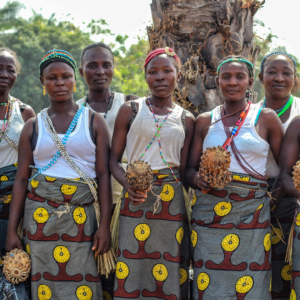
The International Day of Rural Women highlights the essential role women play in Africa’s development as farmers, entrepreneurs, and innovators who sustain families, drive rural economies, and protect the environment. Despite these contributions, many still face barriers to land ownership, finance, and decision-making. For the African Development Bank Group (AfDB), this day underscores its mission to place gender equality at the heart of Africa’s growth strategy. Empowering rural women is seen as a powerful tool to strengthen communities, enhance resilience, and achieve sustainable development across the continent, in line with President Sidi Ould Tah’s Four Cardinal Points — mobilizing financial resources for women, reforming financial systems, leveraging demographic potential, and building resilient infrastructure.

Through its Gender Strategy (2021–2025), the AfDB promotes empowerment, acceleration, and transformation, ensuring that women remain central to every development initiative. This approach aligns with the Bank’s broader agenda to expand access to finance and markets, reform systems to better serve women, and ensure that infrastructure investments meet their everyday needs. Various programs across Africa have demonstrated tangible results in improving women’s economic participation and ownership of resources.

In recent years, AfDB has achieved notable progress in advancing gender equality and supporting rural women. In Djibouti, the “Land Is Life” project has provided women with access to land, water systems, and training in climate-smart agriculture, strengthening community resilience. In Côte d’Ivoire, women previously reliant on charcoal trading have transitioned to market gardening, significantly improving their incomes and livelihoods through the Government Social Program Support Project. Complementing these efforts, the Bank’s Affirmative Finance Action for Women in Africa (AFAWA) initiative addresses the $42 billion gender-finance gap, partnering with 185 financial institutions in 45 countries and mobilizing over $2.5 billion for women-led businesses. This initiative has enabled cooperatives such as “Les Moissonneurs” in Côte d’Ivoire to formalize operations, secure contracts, and gain financial literacy.

Recognizing the heavy burden of unpaid labor on women, the AfDB has also invested in gender-responsive infrastructure to reduce time spent on household chores and improve quality of life. In the Democratic Republic of Congo, safe water points built under the Project for the Reinforcement of Socioeconomic Infrastructure have eased workloads, while in South Sudan, the Bank’s resilience programs have improved access to clean water, healthcare, and financial services for nearly half a million people.

Harnessing Africa’s demographic potential remains a key focus of the Bank’s efforts. Initiatives like Technologies for African Agricultural Transformation and Enable Youth equip women and young people with tools in technology, agribusiness, and climate-smart practices. In Nigeria, women-led cooperatives utilizing rice-parboiling technology generated over ₦65 million in sales within a year, showcasing how innovation empowers rural entrepreneurs.

Looking ahead, the AfDB remains steadfast in its goal to ensure that every rural woman has the resources, opportunities, and voice to thrive. Guided by Dr. Ould Tah’s Four Cardinal Points, the Bank aims to continue mobilizing gender-responsive financing, reforming systemic barriers, expanding education and digital access, and developing infrastructure that supports sustainable livelihoods. On this International Day of Rural Women, the Bank reaffirms its belief that rural women are not just beneficiaries of development—they are architects of Africa’s future.


Related Posts

  • Empowering Africa’s Women Entrepreneurs: Breaking Barriers, Creating Opportunities
  • Five Key Breakthroughs Advancing Women’s Rights Amid Conflict and Crisis
  • Women’s Leadership Key to Strengthening Disaster Preparedness and Recovery
  • Women Leading the Way in Disaster Risk Reduction Strategies
  • Expanding Digital Opportunities: CARE and HP Foundation Reach 300,000 Beneficiaries

Primary Sidebar

Latest News

10 Key Lessons from Early Warning Systems Innovators Driving Anticipatory Action for Climate Disasters

Tajikistan Needs $1 Billion Annually to Meet Climate Goals and Boost Resilience

Solar Power Transforms Maternal Care and Immunisation in Rural Uganda Health Centres

UNDP Delivers Climate-Resilient Homes to Flood-Affected Families in Quetta

Tree Canopy Charges and Citizen Resistance: Lessons from Victoriaville, Quebec

Aging Pipes and Inequality: Lessons from the Jackson, Mississippi Water Crisis

WaterAid Bangladesh Hosts National WASH4UP Workshop to Strengthen Urban Sanitation and Hygiene Services

UNFPA and FIGO Partner to Boost Innovation and Investment in Women’s Health

Empowering Women in Agrifood Systems: Lessons from Odisha’s Gender-Inclusive Policies

Palisades & Eaton Wildfires: Key Lessons for Fire Management

Leadership Insights from the Luftwaffe in WWII

Cracking the Energy & Climate Finance Puzzle

Marshall Islands’ Reimaanlok Vision: Community-Led Ocean Conservation Expedition

Why Nepal Struggles with Infrastructure Development

Seven Lessons on Financial Sustainability from Better Breed Cameroon

National Strategy to Combat Technology-Driven GBV in Pakistan

UNDP Launches ASEAN Responsible Business Collective

UNDP and Germany Back Flood-Resilient Housing in Balochistan

FfD4 Insights: Strategic Dialogues for Action

Government Aims to Go Further and Faster on Energy Security

EU Extends Sanctions on Russia: Member States Reach Agreement

USDA Launches Funding to Boost Local Farm Markets

Strengthening Field Epidemiology Capacity in SE Asia

Why Community Voices Are Key to Effective Aid in Bangladesh

The Lab Picks 8 Innovations to Drive $600M Climate Funding

$2M Emergency Health Funding Released by WHO for Middle East Crisis

Norway Boosts Aid for Middle East War Victims

More Queenslanders Eligible for Flood Disaster Assistance

$21.2M to Drive Innovative Commercialisation Projects

US Influence Fuels UK Anti-Abortion Activism

Georgia Faces Sharp Democratic Decline, OSCE Finds

Why Governments Must Back Vanuatu’s Climate Call

Penzance Council Awards £25K+ in Grants to Local Groups

IFC Supports Paraguay’s First Green Fertilizer Plant

Ukraine Court Ruling Marks Major Step Toward Equality

Reimagining Albinism Rights Advocacy: Global Strategies for Inclusion and Equality

Ecuador Defies Court Ruling, Continues Oil Operations Amid Legal Ban

New Government in Bangladesh Urged to Focus on Human Rights

Bangladesh: Meta Delays in Content Moderation Heighten Violence Risks

Kazakhstan Constitution: Human Rights and Rule of Law Under Threat

Funds for NGOs
Funds for Companies
Funds for Media
Funds for Individuals
Sample Proposals

Contact us
Submit a Grant
Advertise, Guest Posting & Backlinks
Fight Fraud against NGOs
About us

Terms of Use
Third-Party Links & Ads
Disclaimers
Copyright Policy
General
Privacy Policy

Premium Sign in
Premium Sign up
Premium Customer Support
Premium Terms of Service

©FUNDSFORNGOS LLC.   fundsforngos.org, fundsforngos.ai, and fundsforngospremium.com domains and their subdomains are the property of FUNDSFORNGOS, LLC 1018, 1060 Broadway, Albany, New York, NY 12204, United States.   Unless otherwise specified, this website is not affiliated with the abovementioned organizations. The material provided here is solely for informational purposes and without any warranty. Visitors are advised to use it at their discretion. Read the full disclaimer here. Privacy Policy. Cookie Policy.