• Skip to primary navigation
  • Skip to main content
  • Skip to primary sidebar

fundsforNGOs News

Grants and Resources for Sustainability

  • Subscribe for Free
  • Premium Support
  • Premium Login
  • Premium Sign up
  • Home
  • Funds for NGOs
    • Agriculture, Food and Nutrition
    • Animals and Wildlife
    • Arts and Culture
    • Children
    • Civil Society
    • Community Development
    • COVID
    • Democracy and Good Governance
    • Disability
    • Economic Development
    • Education
    • Employment and Labour
    • Environmental Conservation and Climate Change
    • Family Support
    • Healthcare
    • HIV and AIDS
    • Housing and Shelter
    • Humanitarian Relief
    • Human Rights
    • Human Service
    • Information Technology
    • LGBTQ
    • Livelihood Development
    • Media and Development
    • Narcotics, Drugs and Crime
    • Old Age Care
    • Peace and Conflict Resolution
    • Poverty Alleviation
    • Refugees, Migration and Asylum Seekers
    • Science and Technology
    • Sports and Development
    • Sustainable Development
    • Water, Sanitation and Hygiene (WASH)
    • Women and Gender
  • Funds for Companies
    • Accounts and Finance
    • Agriculture, Food and Nutrition
    • Artificial Intelligence
    • Education
    • Energy
    • Environment and Climate Change
    • Healthcare
    • Innovation
    • Manufacturing
    • Media
    • Research Activities
    • Startups and Early-Stage
    • Sustainable Development
    • Technology
    • Travel and Tourism
    • Women
    • Youth
  • Funds for Individuals
    • All Individuals
    • Artists
    • Disabled Persons
    • LGBTQ Persons
    • PhD Holders
    • Researchers
    • Scientists
    • Students
    • Women
    • Writers
    • Youths
  • Funds in Your Country
    • Funds in Australia
    • Funds in Bangladesh
    • Funds in Belgium
    • Funds in Canada
    • Funds in Switzerland
    • Funds in Cameroon
    • Funds in Germany
    • Funds in the United Kingdom
    • Funds in Ghana
    • Funds in India
    • Funds in Kenya
    • Funds in Lebanon
    • Funds in Malawi
    • Funds in Nigeria
    • Funds in the Netherlands
    • Funds in Tanzania
    • Funds in Uganda
    • Funds in the United States
    • Funds within the United States
      • Funds for US Nonprofits
      • Funds for US Individuals
      • Funds for US Businesses
      • Funds for US Institutions
    • Funds in South Africa
    • Funds in Zambia
    • Funds in Zimbabwe
  • Proposal Writing
    • How to write a Proposal
    • Sample Proposals
      • Agriculture
      • Business & Entrepreneurship
      • Children
      • Climate Change & Diversity
      • Community Development
      • Democracy and Good Governance
      • Disability
      • Disaster & Humanitarian Relief
      • Environment
      • Education
      • Healthcare
      • Housing & Shelter
      • Human Rights
      • Information Technology
      • Livelihood Development
      • Narcotics, Drugs & Crime
      • Nutrition & Food Security
      • Poverty Alleviation
      • Sustainable Develoment
      • Refugee & Asylum Seekers
      • Rural Development
      • Water, Sanitation and Hygiene (WASH)
      • Women and Gender
  • News
    • Q&A
  • Premium
    • Premium Log-in
    • Premium Webinars
    • Premium Support
  • Contact
    • Submit Your Grant
    • About us
    • FAQ
    • NGOs.AI
You are here: Home / cat / Strengthening Ebola Preparedness: Uganda’s Proactive Health Measures

Strengthening Ebola Preparedness: Uganda’s Proactive Health Measures

Dated: October 10, 2025

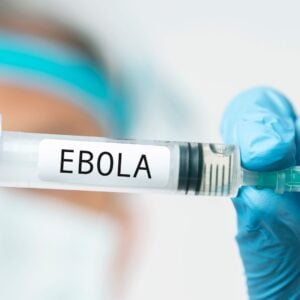
Uganda’s Ministry of Health, in collaboration with the World Health Organization (WHO) and partners, has intensified efforts to strengthen Ebola outbreak preparedness amid the ongoing outbreak in Kasai Province, Democratic Republic of the Congo (DRC). The measures include enhanced surveillance, traveler screening, and updated contingency planning to reduce the risk of cross-border transmission. Using WHO’s standardized risk assessment approach, authorities evaluated the outbreak’s severity, potential for illness or death, population movements, economic activities, and ongoing response measures in the DRC. Based on the assessment, the overall risk to Uganda was classified as moderate, with 11 districts identified as high risk.

Following this assessment, Uganda reviewed and updated its Ebola virus disease contingency plan, incorporating lessons from previous outbreaks, the ongoing Sudan virus disease recovery plan, and insights from recent simulation exercises. Screening of travelers has been strengthened at 22 points of entry and at Entebbe International Airport, while the Public Health Emergency Operations Centre remains on alert to monitor developments. The International Organization for Migration is supporting efforts to track population movements to better understand potential transmission routes.

Uganda has also focused on building emergency response capacity through simulation exercises. In May 2025, over 50 participants from 13 East African countries took part in a three-day joint simulation on infectious disease outbreak preparedness, using the innovative Infectious Diseases Treatment Module developed under WHO and WFP’s INITIATE² plan. This facility allows rapid deployment of medical and logistical support during health emergencies. In July 2025, WHO, with EU funding, supported a full-scale simulation in Uganda, engaging 75 emergency medical team members and uniformed personnel in a realistic Ebola outbreak scenario, covering case detection, investigation, response, psychosocial support, and safe burials.

Uganda’s experience in managing Ebola is well-established. The most recent outbreak, declared on 30 January 2025, recorded 14 cases—12 confirmed and two probable—with four deaths and 10 recoveries. Over 500 contacts were identified and monitored, and the outbreak was declared over on 26 April 2025, marking Uganda’s second Ebola event in under three years. WHO praised Uganda’s rapid and coordinated response and continues to support the Ministry of Health in leveraging its expertise for future outbreak readiness.

At the regional level, WHO has assessed the public health risk from the DRC outbreak as high nationally, moderate regionally, and low globally. The organization is working with ten neighboring countries to conduct readiness assessments, update contingency plans, and strengthen cross-border coordination to mitigate the spread of Ebola.

Related Posts

  • Ebola Response Efforts Show Early Success in Democratic Republic of the Congo
  • Building Angola’s Capacity for Effective National Health Accounts Implementation
  • Mauritius Advances Climate-Resilient Health Systems with WHO Support and Institutional Framework Validation
  • How One Individual Is Revolutionizing Mental Health Services in Somaliland
  • Dr. Moses Ongom on Why Mental Health Is Essential for Overall Health in South Sudan

Primary Sidebar

Latest News

Africa Agrifood Systems Conference Opens in Mauritania

Taking Action to Protect Africa’s Agrifood Sector

Afreximbank Allocates $10B to Protect African, CARICOM Economies

Drastic UK Aid Reductions Impact African Health Sector

Inefficient Training Costs Charities Nearly £30M Each Year

RIF Unveils Platform to Boost Grant Efficiency

Czech Culture Funding Rises, But Sector Calls It Short

£2.5M Digital Upgrade Planned by North West Manufacturers

Highland Rural Communities Awarded £1M+ to Boost Local Assets and Reduce Inequalities

Boosting Rural and Regional Research Across Australia

Commission Commits €30 Million to Strengthen AMR Response

Global Urgent Action Needed After Trump’s Apocalyptic Iran Threats

Türkiye: LGBTI+ Organization Board Faces Unjust Charges

New One Health Initiatives: WHO and France Turn Vision into Action

Why Defending Science Means Defending Lives

Misdiagnosis and Bias: Why Women Live Longer but Suffer More

Russia and China Veto UN Resolution on Strait of Hormuz Security

Global Headlines: Mediterranean Deaths, Afghanistan Crisis, ‘One Health’ Talks

Strengthening Quispamsis: New Investments in Drinking Water

Canada Invests in Green Jobs for Young People

Opportunities for UK in Japan’s £1.4B Organic Sector

Call for Bids: Electrical Materials Procurement in Kenya

Fighting Tuberculosis in Kyrgyzstan: Stories of Hope

ILO Urges Reforms in Pacific Labour Migration Schemes

Kenya’s Inclusion Journey with Benter Bella

Early Childhood Development in Nigeria: Building a Strong Foundation

Marshall Islands to Receive New World Bank Support for Disaster Resilience

New ADB Fund Accelerates ASEAN Power Grid Development

Zambia Unveils 300 MW Solar-Storage Tender with Norway

Insights from Vivax Malaria Intervention Feasibility Studies

Lessons from Brazil: Digital Transformation Driving Trust

What the US and China Teach About Renewable Energy Growth

Regions Foundation Awards $100K to Mississippi State for Startup Programs

Beyond Electricity: Zambia’s Community Development

Powering Healthcare: Renewed Global Commitment

Energy Security Lessons from the Hormuz Crisis

Women’s Health Amid Crisis in the DRC

Climate Finance in Ethiopia: Current Status and Future Prospects

Solar Irrigation Solutions for Indian Agriculture

Lessons from Phase II of Detroit CDO and ECDO Funds

Funds for NGOs
Funds for Companies
Funds for Media
Funds for Individuals
Sample Proposals

Contact us
Submit a Grant
Advertise, Guest Posting & Backlinks
Fight Fraud against NGOs
About us

Terms of Use
Third-Party Links & Ads
Disclaimers
Copyright Policy
General
Privacy Policy

Premium Sign in
Premium Sign up
Premium Customer Support
Premium Terms of Service

©FUNDSFORNGOS LLC.   fundsforngos.org, fundsforngos.ai, and fundsforngospremium.com domains and their subdomains are the property of FUNDSFORNGOS, LLC 1018, 1060 Broadway, Albany, New York, NY 12204, United States.   Unless otherwise specified, this website is not affiliated with the abovementioned organizations. The material provided here is solely for informational purposes and without any warranty. Visitors are advised to use it at their discretion. Read the full disclaimer here. Privacy Policy. Cookie Policy.