• Skip to primary navigation
  • Skip to main content
  • Skip to primary sidebar

fundsforNGOs News

Grants and Resources for Sustainability

  • Subscribe for Free
  • Premium Support
  • Premium Login
  • Premium Sign up
  • Home
  • Funds for NGOs
    • Agriculture, Food and Nutrition
    • Animals and Wildlife
    • Arts and Culture
    • Children
    • Civil Society
    • Community Development
    • COVID
    • Democracy and Good Governance
    • Disability
    • Economic Development
    • Education
    • Employment and Labour
    • Environmental Conservation and Climate Change
    • Family Support
    • Healthcare
    • HIV and AIDS
    • Housing and Shelter
    • Humanitarian Relief
    • Human Rights
    • Human Service
    • Information Technology
    • LGBTQ
    • Livelihood Development
    • Media and Development
    • Narcotics, Drugs and Crime
    • Old Age Care
    • Peace and Conflict Resolution
    • Poverty Alleviation
    • Refugees, Migration and Asylum Seekers
    • Science and Technology
    • Sports and Development
    • Sustainable Development
    • Water, Sanitation and Hygiene (WASH)
    • Women and Gender
  • Funds for Companies
    • Accounts and Finance
    • Agriculture, Food and Nutrition
    • Artificial Intelligence
    • Education
    • Energy
    • Environment and Climate Change
    • Healthcare
    • Innovation
    • Manufacturing
    • Media
    • Research Activities
    • Startups and Early-Stage
    • Sustainable Development
    • Technology
    • Travel and Tourism
    • Women
    • Youth
  • Funds for Individuals
    • All Individuals
    • Artists
    • Disabled Persons
    • LGBTQ Persons
    • PhD Holders
    • Researchers
    • Scientists
    • Students
    • Women
    • Writers
    • Youths
  • Funds in Your Country
    • Funds in Australia
    • Funds in Bangladesh
    • Funds in Belgium
    • Funds in Canada
    • Funds in Switzerland
    • Funds in Cameroon
    • Funds in Germany
    • Funds in the United Kingdom
    • Funds in Ghana
    • Funds in India
    • Funds in Kenya
    • Funds in Lebanon
    • Funds in Malawi
    • Funds in Nigeria
    • Funds in the Netherlands
    • Funds in Tanzania
    • Funds in Uganda
    • Funds in the United States
    • Funds within the United States
      • Funds for US Nonprofits
      • Funds for US Individuals
      • Funds for US Businesses
      • Funds for US Institutions
    • Funds in South Africa
    • Funds in Zambia
    • Funds in Zimbabwe
  • Proposal Writing
    • How to write a Proposal
    • Sample Proposals
      • Agriculture
      • Business & Entrepreneurship
      • Children
      • Climate Change & Diversity
      • Community Development
      • Democracy and Good Governance
      • Disability
      • Disaster & Humanitarian Relief
      • Environment
      • Education
      • Healthcare
      • Housing & Shelter
      • Human Rights
      • Information Technology
      • Livelihood Development
      • Narcotics, Drugs & Crime
      • Nutrition & Food Security
      • Poverty Alleviation
      • Sustainable Develoment
      • Refugee & Asylum Seekers
      • Rural Development
      • Water, Sanitation and Hygiene (WASH)
      • Women and Gender
  • News
    • Q&A
  • Premium
    • Premium Log-in
    • Premium Webinars
    • Premium Support
  • Contact
    • Submit Your Grant
    • About us
    • FAQ
    • NGOs.AI
You are here: Home / cat / Darfur Cholera Vaccination Begins Amid Sudan Conflict

Darfur Cholera Vaccination Begins Amid Sudan Conflict

Dated: September 24, 2025

The World Health Organization (WHO) reported that a cholera outbreak in Sudan, which began in July 2024 in Kassala, has now spread to all 18 states. Over 113,600 cases have been recorded, with more than 3,000 deaths, reflecting a concerning case fatality rate of 2.7 percent. The outbreak has surged in areas including White Nile and Khartoum due to the ongoing conflict and increased population movement, compounded by severely limited access to basic services such as water, food, and healthcare.

Cholera is an acute intestinal infection transmitted through contaminated food and water, capable of causing death within hours if untreated. WHO notes that case fatality rates above one percent indicate significant gaps in care and delayed access to treatment. In Sudan, the resurgence of cholera has been worsened by heavy rains, flooding, overcrowding, and lack of clean water in displacement sites and communities.

In the Darfur region, where cholera has been spreading since May, cases continue to rise amid severe access constraints, including inaccessible roads due to the rainy season. As of recent reports, there were 12,739 cases and 358 deaths across more than half of the localities in the five Darfur states. Some areas in West Darfur have reported a case fatality rate as high as 11.8 percent.

WHO and partners have launched a cholera vaccination campaign targeting the worst-hit communities, aiming to protect 1.86 million people in six priority localities of the Darfurs. The campaign, which began after weeks of preparation, faced major logistical and security challenges, including delivering vaccines via long routes to Nyala in South Darfur. Preparations are also underway to extend the campaign to Tawila in North Darfur, home to over 575,000 internally displaced people, many of whom fled the besieged city of El Fasher.

The vaccines are being deployed with support from UNICEF, which highlighted the severe risk cholera poses to children, particularly those under five, with at least 380 deaths reported so far. Access to treatment remains limited as the conflict, now over two-and-a-half years old, has devastated the health system. More than 70 percent of hospitals in conflict-affected areas are non-operational, and many health centres have been damaged, destroyed, or repurposed as shelters.

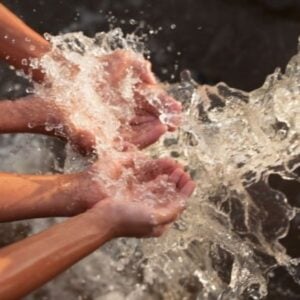
UNICEF also emphasized the impact of attacks on Sudan’s power and water infrastructure, leaving millions, including children, without safe drinking water. Families are often forced to collect water from unsafe sources, further exacerbating the spread and severity of the cholera outbreak.

Related Posts

  • Mali Rallies Stakeholders to Boost Water Sector Investments Amid Climate Pressures
  • MDBs Commit $19.6 Billion to Boost Global Water Security in 2024
  • South West Water’s Upstream Thinking Earns National Biodiversity Award Nomination
  • ADB Approves $179 Million Loan to Drive Urban Transformation in Sikkim
  • Government Urged to Address Child Poverty Ahead of Budget 2026

Primary Sidebar

Latest News

Lessons from Phase II of Detroit CDO and ECDO Funds

Guide to Strategic Framework for Blended Finance

MSP Launches Hazard Mitigation Grant Program for Local Communities

Western NC Commercial Districts Get Boost from Renew NC Initiative

B.C. Not-for-Profits Launch Venture Funds to Monetize Research

Rupantar Project: Integrated Extension Services Boost Farming Diversity

Strengthening Human Development and Resilience in Ukraine

Rising Demand and Costs Challenge Food Aid Charities

India Delivers Emergency Relief to Afghanistan

Caribbean Strengthens Climate Resilience for a Sustainable Future

NZ Rejects WHO Pandemic Regulations: Implications Explained

NZ Rejects WHO Pandemic Regulations: Implications Explained

Myanmar’s Path to Inclusive Recovery: Supporting Women with Disabilities

National Policy Dialogue Boosts Cambodia’s Disaster Resilience

Empowering Women for Peace in Rural Indonesia: Volunteer Stories

Russell Family Foundation Invests $2.3M in Environmental Education and Climate Solutions

Campus Sexual Harassment: Challenges and Best Practices

World Health Day 2026: WHO Calls for Unity and Support for Science

Funding Boost for Highland Refugee Film Initiative

Asia Fund II: $220M Raised by Circulate Capital for Circular Economy Growth

Circulate Capital Secures $220M for Asia Circular Economy Fund

WINGS Initiative: Supporting Nigeria’s Displaced Women

Mongolia Housing Upgrades Boost Urban Jobs

Scaling Mobile Data for Statistics in West Africa

Türkiye Railway Jobs: Empowering Women in Transport

South Sudan Development: Strengthening Resilience and Governance

Development Accounting for Accountants: A Practical Perspective

Financial Institutions and the Emerging Resilience Market

Investing in Armenia: How Tourism Boosts Local Economies

Bangladesh Gas Sector Project: Efficiency and Carbon Reduction Opportunities

Turning Ethiopia’s State-Owned Enterprises into Growth Engines

Women’s Health Crisis: How Lack of Knowledge Drives Illness

TotalEnergies Faces $7.4B Setback in South Africa, Raising African Oil Risks

UN80 Initiative Moves to Delivery Phase as Member States Review Progress

Improving Nutrition in Pakistan: Key Initiatives and Impact

Brazil: IDB Backs $80M for Rio Grande do Sul Infrastructure, MSME Support

Ukraine’s Heating Resilience: Lessons for Europe

Building Digital Skills for Jobs: Lessons from Zambia’s TVET

Empowering Communities: Civil Society Partnerships for Water Security in Asia-Pacific

Guyana’s Carbon Market Success: Lessons for Caribbean Green Finance

Funds for NGOs
Funds for Companies
Funds for Media
Funds for Individuals
Sample Proposals

Contact us
Submit a Grant
Advertise, Guest Posting & Backlinks
Fight Fraud against NGOs
About us

Terms of Use
Third-Party Links & Ads
Disclaimers
Copyright Policy
General
Privacy Policy

Premium Sign in
Premium Sign up
Premium Customer Support
Premium Terms of Service

©FUNDSFORNGOS LLC.   fundsforngos.org, fundsforngos.ai, and fundsforngospremium.com domains and their subdomains are the property of FUNDSFORNGOS, LLC 1018, 1060 Broadway, Albany, New York, NY 12204, United States.   Unless otherwise specified, this website is not affiliated with the abovementioned organizations. The material provided here is solely for informational purposes and without any warranty. Visitors are advised to use it at their discretion. Read the full disclaimer here. Privacy Policy. Cookie Policy.