The Bezos Earth Fund has committed an unprecedented US$10 billion to address climate change, environmental degradation, and the urgent need for nature protection worldwide. Through this initiative, the Fund seeks to combine science, technology, and community engagement to catalyze transformative solutions that benefit both people and ecosystems. Its latest collaboration with The Earthshot Prize exemplifies… [Read More]
Ancient Forests at Risk: Climate Change Drives Fire Weather in Argentina and Chile

The International Federation of Red Cross and Red Crescent Societies (IFRC) recently allocated half a million Swiss francs from its Disaster Response Emergency Fund to strengthen the Chilean Red Cross’s response to the large-scale forest fires that began in January in the Ñuble and Biobío regions of central Chile. The fires rapidly spread due to… [Read More]
UK Commits £6m to Support Somalia Amid Worsening Drought Crisis
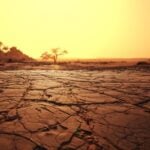
The UK Minister for International Development and Africa, Baroness Jenny Chapman, completed her first official visit to Somalia, during which she announced £6 million in new humanitarian funding to support communities affected by the country’s escalating drought. At Villa Somalia, she met with President Hassan Sheikh Mohamud to discuss the urgent challenges posed by the… [Read More]
Nine Community Projects Receive £80,000+ in Connect Fund Grants
The Northern Ireland Office’s (NIO) Connect Fund has awarded over £80,000 to nine community projects, bringing the total funding to nearly £500,000 across 21 organisations in the UK. These grants support initiatives that strengthen connections between Northern Ireland and other regions of the UK, fostering collaboration, cultural exchange, and community development. Projects include partnerships between… [Read More]
Why Small-Scale Farmers Struggle to Earn a Sustainable Income Globally
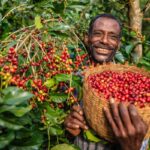
Bram Jacobs began his journey in Uganda in 2017 at the age of 28, working as a Junior Expert for Broederlijk Delen in Lira. Over two years, he focused on agroecological farming, supporting local partner organizations and small-scale farmers to experiment with sustainable agricultural methods. Bram observed that Ugandan farmers possess deep practical knowledge and… [Read More]
Finnish Cultural Foundation Awards €29M, Tampere University Gains €2M
Researchers at Tampere University have been awarded nearly €2 million in grants from the Finnish Cultural Foundation, which this year allocated a total of €29 million to support scientific research, the arts, and cultural activities across Finland. Under the Foundation’s October 2025 call for proposals, 784 grants were awarded, with Tampere University researchers receiving €1,194,000… [Read More]
Transforming African Health: UNFPA Partners with Africa CDC for Innovation and Impact

The United Nations Population Fund (UNFPA) and the Africa Centres for Disease Control and Prevention (Africa CDC) have signed a landmark Memorandum of Understanding (MoU) to enhance collaboration on women and adolescents’ health innovation, data-driven policymaking, and sustainable investment across Africa. The agreement, formalized during the African Union Summit 2026 by UNFPA Executive Director Ms…. [Read More]
4G, 5G, and Satellite Technology Drive India’s Future Connectivity

India is rapidly advancing its nationwide digital infrastructure by combining rural 4G expansion, secure satellite communications, and one of the fastest 5G rollouts in the world. This integrated strategy aims to enhance digital inclusion, strengthen network resilience, and position India as a global leader in telecom innovation and the digital economy. The coordinated push underscores… [Read More]
Famine Deepens in Sudan as WHO Labels Guinea-Bissau Trial ‘Unethical’
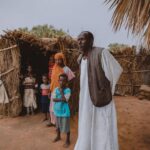
Famine conditions in Sudan are worsening, particularly in the most vulnerable areas, as the humanitarian situation continues to deteriorate. WHO Director-General Dr. Tedros Adhanom Ghebreyesus warned that acute malnutrition has surpassed famine thresholds in parts of North Darfur, where thousands of people fled to towns like Um Baru and Kernoi to escape violence in El… [Read More]
Kyrgyz Republic Moves Toward Sustainable Transit with EBRD Support

The European Bank for Reconstruction and Development (EBRD) is supporting the modernization of public transport in Bishkek, Kyrgyz Republic, through the introduction of 95 new compressed natural gas (CNG) buses. This initiative aims to improve comfort, accessibility, and environmental performance across the city, marking the second phase of a project that will see a total… [Read More]
Ghana’s Legal Cannabis Industry Could Generate $1 Billion Annually

xGhana’s legal cannabis industry is poised to become a major economic sector, with the potential to generate at least $1 billion annually if fully implemented, according to Dr. Mark Darko, President and CEO of the Chamber of Cannabis Industry. Nearly three years after Parliament legalized cannabis for medicinal and industrial purposes, the Narcotics Control Commission… [Read More]
Top 5 Urgent Global Challenges the World Faces in 2026
The International Rescue Committee’s (IRC) 2026 Emergency Watchlist highlights the world’s most pressing crises, describing a “New World Disorder” in which humanitarian needs are surging while global support is collapsing. This annual report identifies countries at greatest risk of new or worsening emergencies and calls attention to urgent global problems that require immediate action. Armed… [Read More]
UNCDF Joins Canada Forum for Impact Investment and Development

The United Nations Capital Development Fund (UNCDF) has joined the Canada Forum for Impact Investment and Development (CAFIID), a national platform connecting Canadian organizations and professionals committed to advancing impact investing and innovative finance for sustainable development. This membership provides UNCDF with a strategic space for dialogue, learning, and collaboration on mobilizing capital to achieve… [Read More]
WHO/Europe and EU Advance Arts and Culture for Health and Wellbeing
WHO/Europe, supported by the European Union (EU), is expanding efforts to help Eastern Partnership countries integrate arts and culture into health systems through a series of regional capacity-building workshops. These workshops serve as catalysts for country-led action and collaboration, enabling nations to move from fragmented initiatives to structured, evidence-based approaches that align with national health… [Read More]
Supporting Innovation in Drug and Alcohol Addiction Healthcare Solutions

The Addiction Healthcare Goals, led by the Office for Life Sciences (OLS), aim to establish the UK as a global leader in drug and alcohol addiction healthcare innovation. The programme seeks to foster partnerships between industry, researchers, the NHS, and third-sector treatment providers to develop, trial, and deploy innovative treatments and healthcare technologies that can… [Read More]
Shaping the Future of Skills: Key Insights from Workforce Foresighting Hub Workshops

The Workforce Foresighting Hub (WF Hub) workshops were designed to showcase the data insights already generated and provide demonstrations of visualisation tools and reports. The sessions aimed to gather feedback to refine the data and its presentation for broader adoption while fostering a community where educators and skills providers feel empowered to shape solutions for… [Read More]
Mozambique Hydropower Boost: Mphanda Nkuwa Project Gains AfDB Support

Mozambique, in collaboration with the African Development Bank (AfDB), is advancing plans to secure financing for the $4.5 billion Mphanda Nkuwa Hydropower Project, a landmark initiative aimed at strengthening the country’s energy infrastructure and boosting regional power exports. On 5 February 2026, a high-level technical workshop was held at the AfDB’s Country Office in Maputo,… [Read More]
AgriConnect-Côte d’Ivoire: Job Creation and Food Security Boost with AfDB & World Bank

The African Development Bank Group and the World Bank Group, in partnership with the Government of Côte d’Ivoire, launched the AgriConnect Country Component for Côte d’Ivoire on 5 February 2026 in Abidjan. The initiative aims to transform the country’s agricultural sector into a key driver of large-scale job creation and national food sovereignty. The launch… [Read More]
Ontario Investing $20 Million in Species at Risk Conservation Programs

The Ontario government is investing $20 million through the Species Conservation Program to protect species at risk and their habitats across the province. This funding will support 46 community-led conservation projects focusing on at-risk species such as Monarch butterflies, Blanding’s turtles, and butternut trees. The initiative is part of Ontario’s broader effort to safeguard biodiversity… [Read More]
$6.4 Billion Investment by Ontario to Boost Postsecondary Sector Success and Future Growth

The Ontario government is investing $6.4 billion in its postsecondary sector to ensure long-term sustainability, protect student access to high-quality education, and support world-class research at universities, colleges, and Indigenous Institutes. This move comes in response to unprecedented pressures, including federal policy changes that have reduced international student revenues and increased domestic demand for higher-cost… [Read More]
Czechia Secures Nearly €2 Billion from EIB Group in 2025 for Rail, Power Grids, Business Growth, and Housing

In 2025, the European Investment Bank (EIB) Group provided €1.93 billion (nearly CZK 47 billion) in new financing in Czechia, supporting initiatives that improved railway services, advanced clean energy, strengthened business growth, and expanded affordable housing. The financing contributed to Czechia’s green transition while promoting competitiveness and regional development. Transport projects received nearly half of… [Read More]
Czechia Receives €2 Billion EIB Funding for Railways, Energy Grids, SMEs, and Housing in 2025

In 2025, the European Investment Bank (EIB) Group provided nearly €1.93 billion (around CZK 47 billion) in new financing in Czechia, supporting projects across transport modernization, clean energy, SME financing, and affordable housing. The funding advanced Czechia’s green transition while strengthening competitiveness and regional development. Transport projects accounted for almost half of the EIB’s support,… [Read More]
DR Congo Child Soldiers Describe Abduction, Violence, and Drugging; Calls for Urgent Action

Human Rights Watch has submitted recommendations to the Special Rapporteur for the upcoming thematic report on curriculum, pedagogy, and assessment in relation to the right to education, drawing on its global research on human rights and education. The submission emphasizes three critical concerns: the lack of comprehensive sexuality education (CSE), barriers to education for refugee… [Read More]


