
Minister for Further and Higher Education, Research, Innovation and Science, James Lawless TD, officially launched the Atlantic Technological University (ATU) Veterinary Medicine Programme, a key initiative under the Government’s Veterinary Places Activation Programme (VPAP). The launch, supported by Minister Martin Heydon and the Department of Agriculture, Food and the Marine, marks a major milestone in… [Read More]
Kenya Turns School Feeding into Climate-Smart Strategies for Education and Sustainability

UN Resident Coordinator in Kenya Stephen Jackson highlights how the country’s climate-friendly school feeding programme is transforming public–private partnerships and serving as a driver for inclusive growth. The initiative leverages UN-supported innovative financing mechanisms to turn national budgets and local markets into engines of development, connecting farmers, schools, and communities in mutually beneficial ways. During… [Read More]
Global Campaign by IOM Aims to Empower Survivors of Human Trafficking

The United Nations’ International Organization for Migration (IOM) has launched Anyone a Victim, a global campaign aimed at preventing human trafficking and expanding support for survivors. The initiative seeks to raise public awareness, mobilize funding for protection programs, and emphasize that trafficking remains a widespread human rights violation worldwide. IOM Director General Amy Pope highlighted… [Read More]
Tripartite Dialogue in Mongolia Adopts Recommendations to Promote Responsible Business and Workers’ Rights

Representatives from the Government of Mongolia, employers’ organizations, and workers’ groups developed an action plan containing key policy recommendations following a national tripartite dialogue on promoting sustainable and responsible business practices for decent work and inclusive growth, held on 14–15 October 2025. Alimaa Baasansuren, Director General of the Labour Policy Department, reaffirmed Mongolia’s commitment to… [Read More]
ILO Partners with Vanuatu to Introduce Country’s First National Employment Policy
The Government of Vanuatu has launched its first-ever National Employment Policy (NEP) for 2025–2030, marking a historic step toward promoting decent work, inclusive growth, and sustainable livelihoods across the country. Developed through extensive consultations with tripartite partners, provincial authorities, and development stakeholders, the policy provides a framework to address key employment challenges, including the creation… [Read More]
Strengthening Social Security in Zambia: ILO Pledges Expertise to NAPSA

NAPSA Director General, Mr. Muyangwa Muyangwa, met with ILO Country Office Director for Zambia and Malawi, Mr. Wellington Chibebe, in Lusaka, where the ILO pledged to provide technical and specialized support to strengthen Zambia’s social security systems. Mr. Chibebe emphasized that the ILO can assist NAPSA with actuarial valuations, policy development, and capacity building, while… [Read More]
New ILO Digital Agri-Business Hub Opens in Hawassa, Sidama Region, Ethiopia

The Sidama Region of Ethiopia has taken a significant step toward modernizing agriculture and expanding job opportunities with the launch of the AgriConnect Digital Agri-Business Hub and the Sidama Agricultural Innovation Exhibition 2025 in Hawassa. The initiative brings together government leaders, the ILO, development partners, private-sector actors, youth and women entrepreneurs, and research institutions to… [Read More]
Social Protection as a Pillar for Climate Resilience and Equitable Transition: Leaders Commit
At the COP30 leaders’ summit held on 7 November in Belém, Brazil, social protection was placed at the center of the declaration signed by 43 countries and the European Union. The declaration includes actionable goals, such as supporting climate-vulnerable developing countries to expand social protection coverage by at least two percentage points per year, adapting… [Read More]
Boosting Kenya’s Economic Progress Through Accelerated Procompetitive Reforms
Kenya’s economy is projected to grow by an average of 4.9% between 2025 and 2027, reflecting stronger-than-expected momentum supported by easing monetary policy and a rebound in the construction sector. Inflation remains within target, the exchange rate is stable, and foreign exchange reserves have reached record highs. Private sector credit is also recovering, growing 5%… [Read More]
How Job Creation Can Power Egypt’s Economic Growth and Prosperity
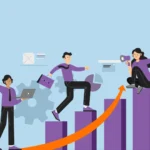
Every year, approximately 1.3 million young Egyptians enter the labor market, yet only about half a million jobs are created, leaving a significant gap in employment opportunities. Addressing this imbalance could have a transformative impact on Egypt’s economy, with full youth employment potentially increasing GDP by 36 percent and closing the gender employment gap raising… [Read More]
How Productivity Growth Drives GDP and Job Creation in Europe and Central Asia
Countries in Europe and Central Asia (ECA) need to make more efficient use of existing economic assets and invest in the capabilities of firms and workers to accelerate growth, according to the World Bank report TIDES of Change: Igniting Productivity Growth in Europe and Central Asia. The report emphasizes that simply adding more capital and… [Read More]
How Procompetitive Reforms Can Drive Job Creation and Productivity in Kenya

Procompetitive reforms in key sectors could significantly boost Kenya’s economic growth and job creation, with the potential to raise the country’s GDP by 1.35 percentage points annually and generate up to 400,000 jobs per year at the average wage. These reforms focus on creating a level playing field between state-owned and private enterprises, reducing trade… [Read More]
How Solar Energy Is Keeping Ukraine’s Health Clinics Operational During Power Cuts
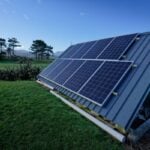
Amid Russia’s invasion, Ukraine’s healthcare system has faced significant challenges due to unreliable and intermittent power supply, which has affected both the quality and availability of medical care. Frontline and rural healthcare facilities have increasingly turned to solar energy to enhance energy efficiency, maintain resilience during outages, and ensure uninterrupted access to essential services. Supported… [Read More]
How Economic Diversification Can Drive Sustainable Growth in Mauritania

Achieving Mauritania’s goal of reaching upper-middle-income status by 2050 will require accelerated economic diversification, according to the World Bank Group’s Growth and Jobs Report released in November 2025. The report provides an analytical framework to support the government’s efforts to foster inclusive, sustainable, and resilient growth. Over the past twenty years, Mauritania’s economy has grown… [Read More]
Expanding Access to Maternal and Child Health Services in Somaliland

Since its launch in Somaliland in 2024, the Damal Caafimaad Project has significantly strengthened the region’s maternal and child healthcare services, supporting 49 health facilities and serving over 425,000 outpatients. Female outpatient attendance reached 76,527, representing 56.5% of the targeted population, while more than 16,000 pregnant women completed at least four antenatal care visits, reflecting… [Read More]
How Human Rights Defenders Worldwide Can Push Back Against Criminalization
A new briefing by Amnesty International, the African Policing Civilian Oversight Forum, and Suara Rakyat Malaysia aims to address the growing global trend of criminalizing human rights defenders, activists and journalists. Set for release on 27 November, the document outlines legal and advocacy tactics to shield individuals from discrimination, harassment, prosecution and imprisonment. It highlights… [Read More]
New Testimonies Expose RSF Killings and Sexual Violence in El Fasher, Sudan

Survivors who fled El Fasher in Sudan’s North Darfur have given harrowing accounts of widespread killings, beatings, rape and sexual assault committed by Rapid Support Forces fighters during the city’s capture. Amnesty International interviewed 28 survivors who escaped to Tawila and Tina after the RSF surrounded El Fasher on 26 October. Many described witnessing groups… [Read More]
Affordable Malaria Vaccine Deal by Gavi and UNICEF to Safeguard 7 Million More Children
Gavi and UNICEF have announced a major agreement that will make the R21/Matrix-M malaria vaccine significantly more affordable and accessible, marking a major step toward protecting millions of children from one of the world’s deadliest diseases. The deal is expected to generate up to US$ 90 million in savings, which will help secure 30 million… [Read More]
EU Announces €143 Million Boost for Humanitarian Response in Sub-Saharan Africa
The European Commission has announced €143 million in new humanitarian aid as EU and African Union leaders convene in Angola, aiming to ease growing pressure on relief operations across multiple crisis zones in Sub-Saharan Africa. The funding will be distributed across several countries, including the Central African Republic, Nigeria, Ethiopia, Somalia, South Sudan, and nations… [Read More]
Egypt Urged to Reverse Harsh Restrictions on Independent Civil Society
Egyptian authorities are being urged to amend the country’s associations law, which imposes severe restrictions on independent civil society organizations. Amnesty International’s new briefing highlights how these constraints undermine the right to freedom of association and place the country’s civic space at serious risk. Despite the closure of the long-running Case 173 and the lifting… [Read More]
How Timor-Leste’s Path to ASEAN Membership Supports Sustainable Development Goals
Timor-Leste’s entry into ASEAN marks a symbolic milestone in its journey from peacekeeping and institution-building to full regional integration. Membership unlocks opportunities in trade, education, labour mobility and broader regional cooperation. For the UN Resident Coordinator’s Office, this achievement reflects decades of collaboration between UN agencies and national partners, all working to align Timor-Leste’s aspirations… [Read More]
What $4 Billion in Impact Giving Teaches Us About Effective Philanthropy

The founders of Coefficient Giving began their work in 2011 with a central question: how can large-scale philanthropy create the greatest possible positive impact? Initially known as Open Philanthropy, the organization grew from a partnership between Good Ventures and GiveWell, aiming to move beyond traditional evidence-rich areas and explore high-impact opportunities across a wider range… [Read More]
How a New Global Coalition Aims to Strengthen Financial Health and Resilience
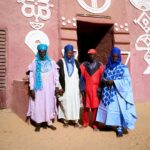
A growing global focus on financial inclusion has expanded access to bank accounts and digital tools, but many people still struggle with true financial resilience. While 79% of adults worldwide now have a bank account — up from just over half in 2011 — more than two billion people remain unbanked or underbanked. Even among… [Read More]


