
The European Union has committed EUR 13.5 million to enhance Bosnia and Herzegovina’s management of irregular migration and combat organised crime. This funding is intended to empower national authorities to lead migration efforts, align practices with EU standards, and foster social cohesion, with implementation in collaboration with IOM, UNHCR, and UNICEF. Ambassador Luigi Soreca, Head… [Read More]
Strengthening Ukraine’s Democratic Resilience: EU Promotes Inclusive Post-War Dialogue
On December 15, 2025, Ukraine’s Central Election Commission (CEC) brought together government representatives, parliamentarians, political parties, civil society actors, experts, and international partners for an open dialogue on priority electoral reforms. These reforms are based on election observation assessments conducted by the OSCE Office for Democratic Institutions and Human Rights (OSCE/ODIHR) between 2014 and 2020… [Read More]
World Urged to Address Gruesome Sexual Violence Amid Sudan War
The UN human rights office (OHCHR) has released a report documenting the severe abuses endured by civilians during a three-day offensive by Sudan’s Rapid Support Forces (RSF) on Zamzam camp for displaced persons in April 2025. Many of the victims were from besieged El Fasher, and the report details widespread torture, abductions, and deliberate killings…. [Read More]
Thailand-Cambodia Tensions Escalate, UN Rights Chief Calls for Civilian Protection

UN High Commissioner for Human Rights Volker Türk has expressed deep concern over the escalating conflict between Thailand and Cambodia, warning that civilian areas and cultural sites are increasingly being targeted by fighter jets, drones, and artillery. He emphasized that under international humanitarian law, protecting civilians and civilian infrastructure is of paramount importance. Since fighting… [Read More]
Syria’s humanitarian needs remain critical despite reductions in violence, UN reports
UN officials have highlighted that despite a reduction in violence, Syria’s recovery remains fragile and uneven following the fall of the Assad regime in December 2024, requiring continued international support. While progress has been made, millions of Syrians remain displaced, and humanitarian needs remain critical across the country. Over two million internally displaced people have… [Read More]
Traditional Medicine and Modern Healthcare: Expert Perspectives on Integration

The second World Health Organization (WHO) summit on traditional, complementary, and integrative medicine (TCIM) is currently taking place in India, exploring evidence-based uses of traditional medicine such as ginger for treating nausea. Despite 40 to 90 per cent of populations in most WHO member States relying on traditional medicine, only about one per cent of… [Read More]
Advancing Responsible Business Practices Through Malaysian Academia

make an informative summary paragraph wise excluding all the bullet points sub headings and internal links:The International Labour Organization (ILO), in collaboration with Universiti Sains Islam Malaysia (USIM), held a one-day academic seminar on 17 December 2025 to enhance the integration of Responsible Business Conduct (RBC), labour rights, and Business and Human Rights (BHR) into… [Read More]
ILO Strengthens Social and Solidarity Economy Knowledge Among Constituents and Partners to Promote Social Justice
The International Labour Organization (ILO) hosted a technical knowledge-sharing event in Turin from 10 to 11 December 2025, bringing together more than 30 participants from over 20 countries to discuss the role of the social and solidarity economy (SSE) in advancing social justice. The event, held at the ILO’s International Training Centre, coincided with the… [Read More]
International Migrants Day: ILO Highlights Safe Migration and Workers’ Rights for Myanmar Migrants

The International Labour Organization (ILO), in collaboration with Myanmar civil society, community-based, and labour organizations, marked International Migrants Day on 14 December 2025 in Yangon. This year’s event, held under the theme “Every Migrant, Every Story, One Humanity,” highlighted the dignity, individuality, and significant contributions of migrant workers amid Myanmar’s political instability and conflict. The… [Read More]
International Migrants Day 2025: ILO Nepal Highlights Urgent Need to Safeguard Migrant Workers

On International Migrants Day 2025, Nepal recognized the vital contributions of migrant workers to the national and global economy, while emphasizing the shared responsibility to protect their rights and dignity. This year’s national observance followed the theme “Good Governance across the Labour Migration Cycle: Safer, Decent and Skillful Migration,” highlighting the importance of comprehensive, rights-based… [Read More]
Empowering Youth and Provinces: ILO–Gyeonggi Labour Festa Shapes the Future of Work
The 2025 Gyeonggi–ILO International Labour Festa, held from 15–17 December in Goyang, Republic of Korea, highlighted the voices of youth advocating for more inclusive, secure, and forward-looking employment policies. Under the theme “Youth, Provinces and the Future of Work,” the forum brought together over 100 young participants from around the world, alongside representatives from governments,… [Read More]
Strengthening Cross-Border Solidarity: Indonesia Supports Women Migrant Workers
Indonesia is taking significant steps to strengthen the voices and leadership of women migrant workers through a series of cross-border digital capacity-building activities and dialogues. Organized jointly by the International Labour Organization (ILO), UN Women, the Ministry of Foreign Affairs, and the Ministry for the Protection of Indonesian Migrant Workers (KP2MI/BP2MI), these initiatives aim to… [Read More]
Protecting Canada’s freshwater: 39 new projects funded with $4.5 million

The Honourable Julie Dabrusin, Minister of Environment, Climate Change and Nature and Minister responsible for the Canada Water Agency, has announced over $4.5 million in funding for 39 new freshwater projects across Canada. This funding includes 34 projects under the EcoAction program—23 community-led initiatives and 11 focused on sustainability and innovation—as well as five projects… [Read More]
Nature Restoration Fund to Boost Housing Development and Enhance Biodiversity
The UK government has launched the Nature Restoration Fund, a new initiative designed to accelerate housebuilding while delivering measurable improvements to the natural environment across England. The fund is part of the recently enacted Planning and Infrastructure Act and aims to address long-standing conflicts between development and environmental protection. By pooling developers’ contributions, the fund… [Read More]
€2 Million Ringfenced for Women’s Health Research, Announces Health Minister
The Minister for Health, Jennifer Carroll MacNeill TD, has announced €2 million in dedicated funding for women’s health research, marking the first time Irish research funding has been ringfenced specifically for this purpose. The funding, allocated at up to €1 million per year for 2026 and 2027, will support the Applied Partnership Awards scheme in… [Read More]
€1 Million+ Funding Announced by Minister Foley to Boost Assistive and Digital Technology Projects

Minister for Children, Disability and Equality Norma Foley has announced over €1 million in funding for nine digital and assistive technology projects aimed at supporting people with sensory, cognitive, physical, and intellectual disabilities. The funding, provided through the third iteration of the HSE Cooperative Real Engagement for Assistive Technology Enhancement (CREATE III) initiative, is designed… [Read More]
Minister Colm Brophy Announces Funding for Eight Projects Supporting Migrant Integration and Employment in Ireland

The Minister of State for Migration, Colm Brophy, has announced €2.7 million in funding for eight projects aimed at enhancing the employability of people who have moved to Ireland as migrants. These initiatives are designed to help participants overcome barriers to employment, including language difficulties, lack of training, and social exclusion, and to enable them… [Read More]
New Grant Program Announced for Primary Schools Participating in Mental Health and Counselling Initiatives
Minister for Education and Youth, Hildegarde Naughton, has announced the launch of a Wellbeing Grant Scheme to support schools participating in Strand Two of the Counselling and Mental Health Pilots in Primary Schools. The scheme is designed to complement the work of Education Wellbeing Teams, which operate in school clusters across Cork, Carlow, Dublin 7,… [Read More]
Sustainable Livestock Development in Focus as Experts Convene in Dushanbe
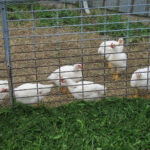
The Fourth Multistakeholder Regional Meeting of the Global Agenda for Sustainable Livestock (GASL) concluded in Dushanbe, Tajikistan, bringing together livestock sector leaders and experts from Central Asia, as well as participants from Azerbaijan and Türkiye. Organized jointly by the Food and Agriculture Organization of the United Nations (FAO) and GASL, the three-day event focused on… [Read More]
FAO Projects Aim to Transform Agriculture and Support 1 Million Beneficiaries
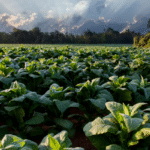
The Global Environment Facility (GEF) has approved eight new projects led by the Food and Agriculture Organization of the United Nations (FAO), totaling nearly $60 million, to support sustainable agricultural and environmental practices across seven countries. These initiatives aim to improve agricultural landscape management, promote climate-friendly livestock production, and restore forests, coastal areas, and marine… [Read More]
UN Report Warns: Hunger Reduces in Asia-Pacific, Yet Nutrition Issues Remain
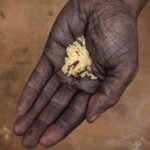
The 2025 State of Food Security and Nutrition in Asia and the Pacific report, jointly released by FAO, IFAD, UNEP, WFP, and WHO, highlights notable progress in reducing hunger across the region, while emphasizing persistent challenges related to malnutrition, food insecurity, and unequal access to healthy diets. The prevalence of undernourishment declined from 7.0 percent… [Read More]
Strengthening Health Security: Zimbabwe Launches Integrated One Health Strategic Plan

Zimbabwe has officially launched its National One Health Strategic Plan 2026–2030, a comprehensive framework aimed at strengthening national health security by integrating human, animal, plant, and environmental health systems. The plan, unveiled in Harare by Vice President Kembo Mohadi on behalf of President Emmerson Mnangagwa, represents a landmark step in aligning Zimbabwe with global and… [Read More]
Tigray Conflict Survivors Speak Out: How Women Bear the Brunt of Violence Amid an Uncertain Peace

Nearly three years after active fighting in Tigray has ceased, women in the region continue to bear the devastating effects of the war on their bodies, minds, and daily lives. Survivors and health professionals report that the end of hostilities and the signing of the Pretoria Agreement have not brought safety, recovery, or dignity. Sexual… [Read More]


