In an unusually swift move for the United Nations, the General Assembly’s First Committee adopted a resolution on November 6, 2025, addressing the potential risks of integrating artificial intelligence (AI) into nuclear weapons systems, particularly in nuclear command, control, and communications (NC3). Spearheaded by Austria, El Salvador, Kazakhstan, Kiribati, Malta, and Mexico, the resolution brought… [Read More]
Empowering Young Voices: Children as Climate Storytellers Through Environmental Education
In the summer of 2024, record-breaking heatwaves in northern India forced schools across several states to close for weeks. While policymakers viewed these closures as temporary disruptions, for children, they were lessons learned from direct experience. Heat, water scarcity, and air pollution became daily realities rather than abstract concepts, highlighting a gap between lived experience… [Read More]
Perspective on Advancing Transition Minerals Policymaking Through Learning

Amid the global surge in demand for transition minerals, which are critical for various energy technologies, policymakers in Africa, Asia, and Latin America face the challenge of making complex decisions far faster than traditional learning models can support. Governments must navigate choices around resource use for economic growth, value addition, industrial policy, infrastructure, fiscal terms,… [Read More]
Beyond Scholarships: The Hidden Barriers to Educational Advancement

In India, scholarships are often seen as a definitive solution to educational inequity, providing financial access with the expectation that merit and effort will naturally follow. However, evidence from classrooms, campuses, and hostels across the country indicates that for many first-generation learners, scholarships alone do not guarantee educational mobility. While they remove financial barriers, they… [Read More]
How the Escazú Agreement is Redefining Democracy in Latin America
A landmark legal achievement is offering hope in one of the world’s deadliest regions for environmental defenders. Civil society movements across Latin America and the Caribbean have played a pivotal role in securing the widely ratified Escazú Agreement, which enshrines protections for people defending their communities against the impacts of climate change. Despite these advances,… [Read More]
Africa GreenCo Receives Additional Investment from Impact Fund Denmark to Tackle Power Shortages

In southern Africa, frequent power outages are disrupting both households and businesses, particularly in Zambia, where many areas receive less than three hours of electricity per day. These shortages hinder economic growth and development, highlighting the urgent need for more reliable energy sources. Zambia relies heavily on hydropower, a low-emission energy source, but climate change-induced… [Read More]
Year in Review: How Five Climate Disasters Impacted Children in 2025
In 2025, children worldwide were among the most vulnerable to the devastating effects of climate disasters, facing school closures, displacement, and threats to their health and safety. Heatwaves, flash floods, storms, and hurricanes disrupted daily life, forcing families into temporary shelters and exacerbating risks such as malnutrition, child labor, and early marriage. Save the Children… [Read More]
Caribbean Launches 16 Days of Activism to Combat Gender-Based Violence

This year, UNFPA Caribbean joined the global community in marking the 16 Days of Activism with a strong regional call to end all forms of gender-based violence, including technology-facilitated GBV (TFGBV). From cyberstalking and online harassment to image-based abuse and digital hate, these online harms have real and profound impacts on women and girls across… [Read More]
Caribbean Launches 16 Days of Activism to Combat Gender-Based Violence

This year, UNFPA Caribbean joined the global community in marking the 16 Days of Activism with a strong regional call to end all forms of gender-based violence, including technology-facilitated GBV (TFGBV). From cyberstalking and online harassment to image-based abuse and digital hate, these online harms have real and profound impacts on women and girls across… [Read More]
Ghana Advances Veterinary Skills with FAO-Supported ISAVET Program

The Food and Agriculture Organization of the United Nations (FAO), in partnership with Ghana’s Veterinary Services Directorate (VSD) and with support from the Pandemic Fund, has launched the third cohort of the Frontline In-Service Applied Veterinary Epidemiology Training (ISAVET) in Ghana. The programme is designed to strengthen the capacity of frontline veterinary professionals to prevent,… [Read More]
Ghana Enhances Veterinary Oversight with FAO Support

Ghana has taken a major step to strengthen animal health governance and protect public health with support from the Food and Agriculture Organization of the United Nations (FAO). The initiative focuses on advancing reforms in veterinary regulation and professional standards to build a competent, accountable, and well-regulated veterinary workforce. Through a consultative process led by… [Read More]
From Vision to Action: Zimbabwe Launches National Public Health Institute
Zimbabwe has taken a significant step in strengthening its health system with the launch of the National Public Health Institute (NPHI), aligned with global best practices and the African Union’s New Public Health Order. This semi-autonomous, science-driven institution is designed to enhance the country’s public health capacity and resilience, transforming an ambitious vision into a… [Read More]
Invisible but Dangerous: How Antimicrobial Resistance Could Redefine Health

Antimicrobial resistance (AMR) is quietly creating a world where previously treatable infections, such as pneumonia or poorly healed wounds, could become fatal. Highlighted during World AMR Awareness Week, held between 18 and 24 November by the World Health Organization (WHO) and partners, the issue underscores the urgency of action. Antibiotics, which have saved millions of… [Read More]
Small Business Occupational Health Training Aims to Reduce Workplace Sickness

The UK Government is funding free occupational health training for line managers in small and medium-sized enterprises (SMEs) across England between January and March 2026. The initiative aims to equip SMEs with the skills to better support employee health, retain skilled staff, and boost productivity. It forms part of the Government’s Plan for Change, which… [Read More]
Exploring Human Mobility: “Between Borders and Roots” Exhibition Raises Awareness

The multidisciplinary exhibition “Between Borders and Roots,” held at the Museo Vivo del Muralismo in Mexico City, explores human mobility by portraying migrants and their stories as part of cultural wealth and diversity. The exhibition presents people on the move as agents of social change, rights-holders, and contributors to sustainable development, highlighting the social, cultural,… [Read More]
Ireland’s Budget 2026: Taoiseach Highlights Commitments to Disability Inclusion

Ireland’s Taoiseach, Michael Martin TD, has published the Budget 2026: Spotlight on Disability report, marking a renewed government focus on disability issues. The report was prepared by the newly established Disability Unit within the Department of the Taoiseach, which was created to bring greater urgency, coordination, and accountability to disability policy across government. The report… [Read More]
UN Marks 10 Years of Progress on Youth, Peace and Security Agenda

Nila Ibrahimi’s story reflects both the challenges and resilience of young people working for peace and human rights in crisis settings. After the Taliban takeover in 2021, she and her family fled Afghanistan due to the risks she faced as a prominent youth rights advocate. Known internationally for leading a successful campaign as a teenager… [Read More]
Central African Republic Prepares for Historic Vote Amid UN Appeal for Peace

Ahead of the 28 December elections in the Central African Republic, UN Secretary-General António Guterres has called on citizens to participate peacefully in what he described as a critical moment for the country’s democratic and peacebuilding process. He urged national authorities to ensure that the polls are conducted in a peaceful, orderly, inclusive, and credible… [Read More]
Aid Efforts in Gaza Persist Amid Access and Supply Constraints
Humanitarian operations in Gaza are continuing despite ongoing access restrictions and coordination challenges. The United Nations and its partners are offloading essential supplies at border crossings around the enclave on a daily basis, aiming to meet urgent civilian needs. On Monday alone, nearly 4,000 pallets of aid were delivered through the Kerem Shalom crossing in… [Read More]
How the UN Is Promoting Industrialisation Without Environmental Destruction

The UN Industrial Development Organization is advancing a vision of industrialisation that supports economic growth while safeguarding the environment and promoting social inclusion. Established in 1966 to help countries in the Global South develop their industrial capacity, UNIDO has evolved from a time when industry was widely viewed as inherently polluting to an approach that… [Read More]
The Growing Human Rights Crisis Caused by Climate Change
Climate change is increasingly being recognised not only as an environmental emergency but also as a profound human rights crisis. Speaking before the Human Rights Council in Geneva, UN High Commissioner for Human Rights Volker Türk questioned whether governments are doing enough to protect people from climate chaos and safeguard their futures. His conclusion was… [Read More]
New Development Cooperation Agreement Deepens UN–Iraq Partnership

The United Nations and the Government of Iraq have signed a new Sustainable Development Cooperation Framework covering the period from 2025 to 2029, marking a significant step in advancing Iraq’s national development priorities in line with the global 2030 Agenda for Sustainable Development. The agreement is designed to support Iraq’s progress toward long-term social, economic,… [Read More]
Iran Faces Deepening Water Crisis as Severe Drought and Mismanagement Force Water Imports
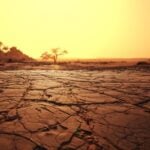
Iran is facing one of the most severe water crises in its modern history, driven by a combination of prolonged drought, climate change, and decades of mismanagement of water resources. While declining rainfall has played a significant role, experts argue that policy failures such as unchecked groundwater extraction, inefficient irrigation systems, and extensive dam construction… [Read More]


