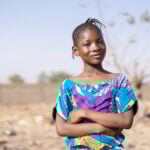
In South Sudan, more than 450,000 children are at risk of acute malnutrition as violent clashes in Jonglei state have caused mass displacement and disrupted critical health and nutrition services, UNICEF warned. Since the beginning of 2026, fighting in Jonglei has displaced at least 250,000 people, particularly in the northern and central areas of the… [Read More]
cat
UN Leaders Call for Action as Millions of Girls Remain at Risk of Female Genital Mutilation

In 2026 alone, an estimated 4.5 million girls, many under the age of five, are at risk of undergoing female genital mutilation (FGM). Currently, over 230 million girls and women live with the consequences of this harmful practice. On the International Day of Zero Tolerance for FGM, UN leaders reaffirmed their commitment to ending FGM… [Read More]
Conflict and Violence Persist for Children Across MENA in 2026

Just weeks into 2026, the impact of violence and conflict on children across the Middle East and North Africa (MENA) is already severe. Children in the region have been killed, injured, displaced, arrested, and denied access to education and essential services as ongoing conflicts continue to disrupt their lives, often irreparably. In Syria, renewed clashes… [Read More]
Breakthrough Study Shows How to Reduce Memory Loss in Alzheimer’s Disease

Researchers are exploring new potential treatments targeting the enzyme PTP1B, which may play a role in memory loss associated with Alzheimer’s disease. A recent study suggests that limiting the activity of this enzyme could help slow cognitive decline in the neurodegenerative disorder, which progressively impairs memory and thinking. Scientists at Cold Spring Harbor Laboratory in… [Read More]
Climate Finance Surge for Developing Nations: Is the UK About to U-Turn?

According to The Guardian, UK ministers plan to reduce climate finance for developing countries from £11.6 billion over the past five years to £9 billion in the next five, which, when adjusted for inflation, represents an approximate 40% cut in spending power since 2021. At the UN COP29 Summit in 2024, nearly 200 nations, including… [Read More]
$15M Care Fund for Protection Practitioners Launches

The National Council of Social Service (NCSS) will launch a $15 million Protection Practitioners Care Fund from 1 February 2026 to support social service agencies (SSAs) in creating more supportive work environments. The fund was first announced by the Minister for Social Services Integration, Mr Desmond Lee, in Parliament on 5 November 2025. Protection practitioners… [Read More]
Global Economies Push for Open Innovation Amid Rapid Advances in Science, Technology and AI

APEC economies have called for stronger policy coordination and practical cooperation in science, technology, and innovation, as artificial intelligence and other frontier technologies rapidly transform the Asia-Pacific region’s economic landscape. The emphasis was on leveraging technological advances while addressing shared challenges such as digital inequality, sustainability, and responsible technology governance. Chen Jiachang, Vice Minister of… [Read More]
Women in STEM: Apply for Fully Funded Scholarship Opportunities

Applications are now open for fully funded STEM scholarships for the 2026 academic year, offering a unique opportunity for women interested in science, technology, engineering, and mathematics. The scholarships target women from eligible countries, including India and other South Asian nations, with the goal of supporting advanced studies and fostering careers in fields where women… [Read More]
Global Baseline Report Examines Sport’s Contribution to the SDGs

The Commonwealth has launched its first-ever Global Sport and Sustainable Development Goals (SDGs) Baseline and Initial Impact Report at Canada House, London. The report establishes a baseline for measuring how physical education, physical activity, and sport (PEPAS) contribute to achieving the SDGs. Its findings reveal progress across Commonwealth countries, with Jamaica emerging as a global… [Read More]
WFP Suspends Aid in Baliet County as South Sudan Crisis Deepens
In Juba, South Sudan, the United Nations World Food Programme (WFP) has suspended all activities in Baliet County following multiple attacks on its river convoy in Upper Nile State. Between January 30 and February 1, a 12-boat convoy carrying over 1,500 metric tons of essential food and non-food items for partners was attacked and looted… [Read More]
Ending FGM Through Survivor-Led Community Action

Female genital mutilation (FGM) continues to violate the rights of women and girls, causing lasting physical and psychological harm. Yet progress is being made through community-driven initiatives, mentoring, safe spaces, and survivor-led advocacy. Over the past decade, the global prevalence of FGM among girls has dropped from one in two to one in three, though… [Read More]
Colombia’s Former Hostages Transforming Justice and Peacebuilding Efforts

For decades, kidnapping was a weapon of war in Colombia, used by both guerrilla groups and criminal mafias, with over 50,000 abductions recorded between 1990 and 2018. Victims were reduced to hostages, moved between camps, and treated as bargaining tools. Today, many of these survivors are playing a central role in redefining justice and peace… [Read More]
Save the Children Responds as Winter Storm Fern Impacts Children and Families

Save the Children is responding urgently to the impacts of Winter Storm Fern, which left hundreds of thousands of families in Arkansas, Mississippi, and Tennessee without power amid freezing conditions. The nonprofit’s emergency response team and local staff are providing critical funding assistance to help families cover immediate needs, including food, water, heating supplies, and… [Read More]
Save the Children Praises Congressional Agreement on Child Investment

Save the Children and its advocacy arm, Save the Children Action Network (SCAN), have welcomed the congressional passage of full-year appropriations for the U.S. Departments of Education, Health and Human Services, and key foreign assistance accounts through the end of fiscal year 2026. The approval of these funds underscores the national priority of supporting children’s… [Read More]
Children at Risk: New Famine Zones Emerge in Sudan
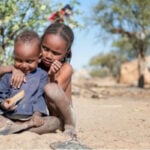
In Sudan, the hunger crisis is worsening, with two additional areas—Um Baru and Kernoi—now classified at famine levels of malnutrition, according to Save the Children. Global acute malnutrition rates in these localities have reached nearly 53% and 34%, respectively, and access limitations make it difficult to assess the full extent of the crisis in surrounding… [Read More]
Far North Energy Resilience Boosted Through Government Support

Reliable and affordable electricity is set to reach a kura (school) and five marae north of Kaitaia through a grant of up to $1.26 million from the Regional Infrastructure Fund, announced by Māori Development Minister Tama Potaka. The initiative, named Whiti Mai Te Rā, will provide solar power to these six essential community hubs, enhancing… [Read More]
Moldovan Parties and Auditors Boost Financial Reporting Skills

Around 30 representatives from political parties, auditors, and the Central Electoral Commission attended an explanatory session on the newly adopted Methodology on agreed-upon procedures for the financial management of political parties. This methodology, developed in 2025 with support from the Council of Europe Office in Chisinau, aims to enhance transparency and accountability in political party… [Read More]
Children of Ukraine: Co-operation is a Test of Collective Credibility, Says CoE Special Envoy
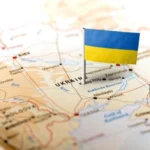
Addressing participants in a discussion on relations with the United Nations, Thórdís Kolbrún Reykfjord Gylfadóttir, Special Envoy of the Secretary General on the situation of children of Ukraine, pledged to reinforce cooperation with UN agencies and other international actors to address the challenges faced by these children. Gylfadóttir outlined two priority areas guiding her work… [Read More]
Experts Call on Latvia to Identify and Assist Vulnerable Human Trafficking Victims

A new report by GRETA, the Council of Europe’s anti-trafficking expert body, evaluates Latvia’s measures to prevent human trafficking, support vulnerable victims, and prosecute offenders. The report highlights both the risks posed by information and communication technology (ICT) in trafficking and the potential of technological innovations to protect victims and strengthen investigations. The report commends… [Read More]
EU Aid Brings Emergency Shelter to Palestine Refugees in West Bank

For thousands of Palestine Refugee families across the occupied West Bank, including East Jerusalem, daily life is marked by fear and the risk of sudden displacement. In response, the European Union (EU), through its European Civil Protection and Humanitarian Aid Operations (ECHO), has provided €5 million in emergency funding to UNRWA to support protection and… [Read More]
Ghana Heritage Fund Posts Robust Growth in 2025 with $1.38bn in Assets

The Ghana Heritage Fund (GHF) posted a strong financial performance in the 2025 fiscal year, closing with a book value of US$1.376 billion, according to the latest Petroleum Funds report released by the Bank of Ghana. Established under the Petroleum Revenue Management Act, 2011 (Act 815) as an endowment for future generations, the Fund generated… [Read More]
Trade Minister Backs Ghana Manufacturing and Export Growth

Elizabeth Ofosu-Adjare, Ghana’s Minister for Trade, Agribusiness and Industry, has pledged increased government support for local manufacturers, emphasizing their essential role in strengthening the national economy. On Friday, February 6, 2026, Ofosu-Adjare, accompanied by Deputy Minister Sampson Ahi, visited Kasapreko PLC and Guinness Ghana Ltd to meet management teams and gain firsthand insight into the… [Read More]
Boosting African SMEs: McKorley Calls for Smarter Infrastructure Solutions
As Africa advances economic integration under the African Continental Free Trade Area (AfCFTA), small and medium‑sized enterprises (SMEs) continue to face systemic barriers that make cross-border trade costly and complex. At the 2026 Africa Prosperity Dialogues, business leader Daniel McKorley emphasized that addressing these challenges is essential for the continent’s SME sector to reach its… [Read More]


