
The EU-backed E5P fund, managed by the European Bank for Reconstruction and Development (EBRD), has approved a €20 million emergency grant to support financing for containerised cogeneration units with a combined capacity of around 120 MW. This initiative, announced on 23 March, is part of the EU’s ‘Repair, Rebuild, Restart’ program, a €920 million package… [Read More]
cat
EU Commission Approves €2.7B for 54 Clean Industry Projects
The European Union’s Innovation Fund is continuing to advance the deployment of net-zero technologies across Europe using revenues from the EU Emissions Trading System (EU ETS). Under the 2024 Call for Net-Zero Technologies (IF24 Call), 54 selected projects have signed their grant agreements, marking the start of the implementation phase for a new wave of… [Read More]
Kenya Invests $15M to Transition Children to Family-Based Care

Kenya’s National Treasury is planning a Sh2 billion ($15 million) Child Welfare Fund to help minors transition from institutional care into family-based environments. The fund, expected to be included in the 2026–27 national budget, aims to support children living in orphanages and children’s homes by reuniting them with relatives, placing them in foster families, or… [Read More]
Build Crisis Reporting Tools: UNDP Global Challenge 2026

The United Nations Development Programme (UNDP) has launched its second global innovation challenge, inviting startups, researchers, and digital developers to create tools that enable crisis-affected communities to report damage in real time. The initiative aims to develop an open-source platform where people can send photos, describe damage, and geolocate affected infrastructure using mobile apps, web… [Read More]
Disney Conservation Fund Awards Global Grants for Earth Month

As Earth Month approaches, The Walt Disney Company is highlighting global conservation and sustainability efforts through a monthlong series leading up to Earth Day on April 22. For over 30 years, the Disney Conservation Fund (DCF) has supported initiatives that protect wildlife, restore ecosystems, and engage communities, contributing more than $141 million globally since 1995…. [Read More]
Oldham Council Secures £5.7M to Aid Residents in Cost-of-Living Crisis

Oldham Council has committed over £5.7 million in funding for 2026/27 to provide crucial financial support to residents facing hardship, an increase of more than £1 million from the previous Household Support funding. The programme aims to deliver immediate crisis assistance while also investing in longer-term measures to help households build financial resilience. The funding… [Read More]
Local Communities Receive £1.1M for Skills Training

A total of 56 arts projects across Scotland have received funding in the latest National Lottery-supported Open Funding round, supporting initiatives in music, multimedia, and Gaelic language education. The Music Industry Literacy Programme, led by Offset Network, will provide a six-week leadership and industry development course for women and gender-expansive participants, offering workshops, guest speakers,… [Read More]
Belarus Rights Crisis Needs Sustained Global Scrutiny

The United Nations Human Rights Council is set to vote next week on whether to renew the mandates of the Group of Independent Experts on the Situation in Belarus and the special rapporteur on Belarus, with rights organizations arguing that both mechanisms remain essential as the country’s human rights crisis continues. Human Rights Watch and… [Read More]
Europe’s Economic Security Starts With Human Rights
French President Emmanuel Macron has called for Europe to become a stronger geopolitical and economic power in response to growing pressure from China and increasing uncertainty from the United States, but the argument presented in this analysis is that Europe’s economic security strategy remains incomplete without a firm human rights foundation. It contends that European… [Read More]
ILO Asked to Reject Saudi Bid to Dismiss Workers’ Rights Complaint

A coalition of rights and labour groups has urged the International Labour Organization’s Governing Body to reject Saudi Arabia’s request to close an Article 26 complaint filed by African trade union groups, warning that doing so would be premature and would leave millions of migrant workers vulnerable to continued abuse. The appeal comes as the… [Read More]
Western Sahara Self-Determination at Risk, UN Warns
A recent United Nations Security Council resolution on Western Sahara has drawn criticism from Human Rights Watch, which argues that it fails to guarantee that any future settlement will fully respect the Sahrawi people’s right to self-determination under international law. According to the organization, the resolution backs Morocco’s autonomy proposal as the basis for negotiations… [Read More]
Global Call for ILO to Resist Saudi Demand on Migrant Labour Case
At the opening of the 356th Session of the International Labour Organization’s Governing Body, Amnesty International urged member states not to dismiss a formal complaint filed by African trade unions against Saudi Arabia over serious and ongoing violations of migrant workers’ rights. The complaint, brought under Article 26 of the ILO Constitution, accuses the Saudi… [Read More]
Zimbabwe Unveils Farmed Tilapia Marketing Strategy
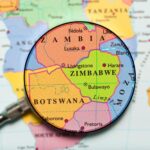
Zimbabwe has launched its first-ever tilapia value chain marketing strategy, marking a major step in positioning aquaculture as a key driver of the country’s rapidly growing blue economy. The new strategy serves as a national roadmap to strengthen tilapia production, develop structured markets, improve value addition, and reduce dependence on imported fish. Developed with support… [Read More]
Closing Gender Gap in Agrifood Systems Can Cut Food Insecurity
The United Nations-designated International Year of the Woman Farmer 2026 is drawing global attention to the vital yet often overlooked contributions women make across agrifood systems, from production and processing to trade and innovation. In an interview with FAO Newsroom, FAO gender experts emphasized that the term “woman farmer” includes a wide range of women… [Read More]
WHO and The Lancet Highlight Social Prescribing in New Series
The World Health Organization (WHO) Regional Office for the Western Pacific and The Lancet Regional Health – Western Pacific have launched a new series on social prescribing, highlighting how community-based, non-clinical approaches can improve health and well-being across the region. The series brings together technical papers and evidence on different social prescribing models in Western… [Read More]
WHO Responds to United States Withdrawal Notice

The World Health Organization (WHO) expressed deep regret over the United States’ notification of withdrawal, emphasizing that the country has played a major role as a founding member in many of WHO’s most significant public health achievements. These include the eradication of smallpox and major advances in combating diseases and health threats such as polio,… [Read More]
WHO Calls for Political Commitment to End Tuberculosis
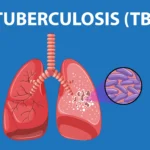
On World Tuberculosis Day 2026, the World Health Organization (WHO) in the Western Pacific Region called for faster, country-led action to transform tuberculosis care, decentralize services, and expand innovation in order to end one of the deadliest infectious diseases in the region and globally. Under the theme “Yes! We can End TB!”, WHO stressed that… [Read More]
Lebanon’s Health System Receives Critical Support

On 24 March 2026, Lebanon’s Ministry of Public Health, working with the World Health Organization (WHO) and UNICEF, received a shipment of essential medical supplies at Rafik Hariri International Airport to help relieve pressure on the country’s overstretched health system as humanitarian needs continue to rise. The delivery included 3.5 tons of trauma and emergency… [Read More]
WHO and Pakistan Intensify Action Against Tuberculosis

On World Tuberculosis Day 2026, Pakistan’s Ministry of National Health Services, Regulation and Coordination and the World Health Organization (WHO) renewed their commitment to intensify efforts to end tuberculosis, a major public health challenge that affects more than 669,000 people and causes 51,000 deaths each year in the country. Pakistan carries 73% of the tuberculosis… [Read More]
Tanzania Advances TB Fight with Faster Diagnosis
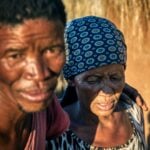
In Tanzania’s Kigoma Region, the fight against tuberculosis is being transformed by faster and more accurate diagnosis, allowing people suspected of having TB to receive results within hours instead of days. This enables patients to begin treatment earlier, recover sooner, and lower the risk of transmitting the disease to others. The progress is being driven… [Read More]
WHO Uses Zero-Dose Data to Reach Every Child

In Eastern Uganda’s Mbale Region, stronger collaboration between communities, district health leaders, and the World Health Organization is improving access to routine immunisation and strengthening responses to public health emergencies. Across the 16 districts and one city that make up the region, many children living in remote and hard-to-reach areas have continued to miss life-saving… [Read More]
Tanzania Launches Polio Vaccination Campaign to Protect Children
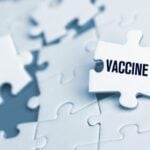
The Government of Tanzania has launched a subnational polio vaccination campaign in the Lake Zone aimed at protecting children and preserving the country’s polio-free status. The campaign targets more than 6.7 million children and was initiated after a circulating vaccine-derived poliovirus was detected through environmental surveillance. This response reflects Tanzania’s strong commitment to preventing any… [Read More]
MDR-TB Treatment in Eswatini Shows Promising Outcomes

Eswatini is showing encouraging progress in the treatment of multidrug-resistant tuberculosis, with new approaches helping more patients complete therapy successfully and recover. Health workers in the country say treatment failure often happens when patients miss doses, stop medication early, take medicines incorrectly, or receive the wrong regimen, which can lead to serious consequences such as… [Read More]


