The European Union has signed a EUR 5 million Administration Agreement with the International Finance Corporation (IFC), a member of the World Bank Group, to implement the Afghanistan Private Sector Stabilisation Programme. This initiative represents the ongoing EU–WBG partnership in Afghanistan, aimed at stabilizing the economy and promoting inclusive, private sector-led recovery by creating livelihoods… [Read More]
cat
Women in Montenegro Sustain Farms Despite Limited Land Rights

Women in Montenegro perform a significant share of the country’s agricultural work but remain largely excluded from land ownership and decision-making. Although they represent more than half of the workforce on family farms, only 12.9 percent hold ownership or secure rights to agricultural land. This disparity was highlighted in the new National Gender Profile of… [Read More]
One Health Workshop in Serbia Boosts Collaboration Across Human, Animal, and Environmental Health
Serbia advanced its health security and cross-sector collaboration during a two-day workshop titled “From theory to practice: Implementing the One Health approach holistically,” held in Belgrade on 1–2 December 2025. Organized by the Food and Agriculture Organization of the United Nations (FAO) in its role as the current chair of the Quadripartite, with support from… [Read More]
Innovative FAO Mesh Grid Technology Enhances Rural Energy Security in Jamaica
The Food and Agriculture Organization of the United Nations (FAO), through its Jamaica Country Office, hosted a webinar on Mesh Grid Systems for Innovative Rural Energy Communities (MIREC) on 15 December 2025. The virtual event brought together over 40 energy experts, policymakers, and development practitioners to explore resilient, low-emission rural energy planning. The session focused… [Read More]
Water Stress Intensifies: Renewable Water Per Person Falls 7% Over the Past Decade

Renewable water availability per person has declined by 7 percent over the past decade, while pressures on already scarce freshwater resources continue to increase, according to the 2025 AQUASTAT Water Data Snapshot released by the Food and Agriculture Organization of the United Nations (FAO). The report provides an updated global overview of water availability and… [Read More]
Improving Premature Newborn Survival: Lithuania’s Policy Approach

Lithuania has launched a series of ambitious initiatives aimed at improving health outcomes for preterm and sick newborns, positioning the country as a leader in Europe’s efforts to secure the well-being of its youngest citizens. The announcement, made through a Call to Action at the Growing Europe 2025 summit in Vilnius, was attended by Lithuania’s… [Read More]
Saving Lives: The Role of Midwives in Central African Republic’s Maternal Health

Bangui — The Central African Republic faces one of the world’s highest maternal mortality rates, with 829 deaths per 100,000 live births recorded in 2023. Many women give birth far from health facilities, face long travel distances, and encounter limited resources, while cultural beliefs sometimes prevent access to care. Fewer than half of pregnant women… [Read More]
Building Zambia’s Health Future: Development Through Stronger Health Systems

Zambia continues to show strong political commitment to advancing health and well-being, recognizing that a healthy population underpins sustainable development. Increased investments in health financing, disease prevention, and system strengthening reflect this understanding, with the World Health Organization (WHO) partnering closely to support these efforts. Hon. Moses F. Moyo, Second Deputy Speaker of the National… [Read More]
Young Women Leading Peacebuilding: Stories from Tbilisi and Beyond
In a region long overshadowed by conflict, a new generation of women leaders is quietly reshaping peacebuilding efforts. At the UN Alliance of Civilizations (UNAOC) Youth Forum in Riyadh, young women from the South Caucasus showcased how reconciliation can be fostered not through formal negotiations, but through everyday conversations in courtyards, virtual sessions, and cross-border… [Read More]
Africa’s Growth Hindered by Mindset, Says UN Special Adviser

The 2025 Academic Conference on Africa at UN Headquarters convened African scholars, ministers, and activists to discuss why many countries on the continent feel off course and to explore pathways for Africa to assert its role in a changing global landscape. In an interview following the conference, UN Special Adviser Cristina Duarte highlighted that mindset… [Read More]
Global Fight Against Corruption: Lessons from the UN Summit in Doha

Heads of State, civil society representatives, and private sector leaders are convening this week in Doha, Qatar, for the 11th session of the UN Conference of the States Parties (COSP11) to discuss pressing issues surrounding corruption and strategies to combat it. The conference, taking place from December 15–19, is the largest international gathering dedicated to… [Read More]
Smart Agribusiness in the Philippines: One Young Farmer’s Success Story
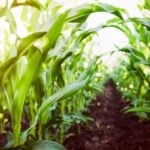
Maria Joyce Escosa, a 24-year-old farmer from Igbaras, Philippines, has successfully grown her organic farm despite a general trend of young people showing less interest in agriculture. Combining traditional farming with modern techniques, she cultivates and sells vegetables such as tomatoes, eggplants, chillies, and okra, while also retailing produce from fellow farmers and offering home… [Read More]
EU and UNDP Advance Albania’s Local Democracy with ReLOaD Phase 3 for EU Accession Support
The Regional Programme on Local Democracy in the Western Balkans 3 (ReLOaD3), funded by the European Union and implemented by UNDP, has officially launched its third phase in Albania, covering 2025–2029. The launch event, attended by Ervin Demo, Minister of State for Local Governance, Ritva Heikkinen, Head of Cooperation at the EU Delegation to Albania,… [Read More]
Inclusive Community Center Opens in Divjaka Backed by the Government of Switzerland
A modern Community Center providing specialized social care services for children with disabilities, older persons, and other vulnerable groups was inaugurated in Divjaka, Albania. The center was established under Phase 2 of the United Nations Joint Programme “Leave No One Behind” (LNB), funded by the Swiss Agency for Development and Cooperation (SDC) and implemented by… [Read More]
Building Resilience for Refugees and Host Communities: Humanitarian and Development Solutions
At the Global Refugee Forum Progress Review, UNDP highlighted how development-focused approaches help both refugees and host communities recover and rebuild amid growing displacement. Conflict, disasters, and climate shocks are driving unprecedented levels of displacement, yet displaced people and their host communities continue to work toward restoring dignity, livelihoods, and stability. UNDP supports these efforts… [Read More]
Building Climate-Resilient Agriculture: Leveraging Finance and Insurance for Sustainable Farming
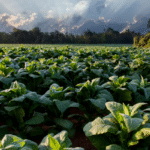
The article draws insights from UNDP’s side event at the 8th World Congress on Rural and Agricultural Finance in Mombasa, Kenya, which led to the adoption of the Mombasa Declaration. The declaration calls on financial institutions to implement de-risking mechanisms, including agricultural insurance, to support smallholder farmers who are increasingly exposed to climate-related hazards. Over… [Read More]
Rethinking Internal Displacement: From Global Vision to Local Action and Impact
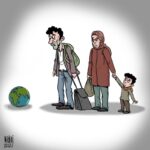
Globally, forced displacement has reached unprecedented levels, with more than 117 million people uprooted by conflict, violence, human rights violations, and disasters. While some cross borders as refugees, the majority remain within their own countries as internally displaced persons. By the end of 2024, a record 83.4 million people were living in internal displacement, highlighting… [Read More]
Equitable Ecosystem-Based Adaptation in Latin America: Insights from Water Fund Models
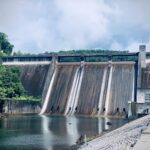
The blog by Gabriela Villamarín and Karen Hildahl of FFLA-CDKN examines how the Andean Water Funds Platform is advancing ecosystem-based adaptation across Colombia, Ecuador, and Peru while embedding gender equality and social inclusion at the core of climate action. It highlights how community-led and participatory approaches enable water funds to respond to climate threats such… [Read More]
South-South and Triangular Cooperation for Startup Ecosystem Development: Cross-Regional Insights and Policy Pathways
A cross-regional dialogue brought together policymakers, development practitioners, and startup ecosystem stakeholders from across the Global South to examine how South-South and triangular cooperation can accelerate the growth of inclusive and resilient startup ecosystems. The discussion focused on shared challenges, policy innovation, and strategic partnerships that can unlock entrepreneurship-led growth, particularly for youth and underserved… [Read More]
Madagascar Case Study: Innovative Financing for Cyclone Resilience and Child-Centered Disaster Risk Management
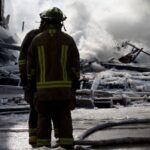
Madagascar is among the world’s most climate-vulnerable countries, experiencing frequent droughts, floods, and increasingly severe tropical cyclones. Between 2000 and 2024, more than 50 cyclones affected the country, impacting over six million people, including large numbers of children. During the pilot phase of the Today & Tomorrow Initiative, cyclones Freddy and Cheneso in early 2023… [Read More]
The Power of Arts-Based Interventions in Addressing Climate Change Anxiety Among Children and Families in Australia
The 2019–2020 Black Summer bushfires were an unprecedented climate disaster in Australia, severely affecting large parts of New South Wales over several months. Intensified by climate change, prolonged drought, and rising temperatures, the fires directly or indirectly affected nearly 80 percent of Australians through loss, displacement, and exposure to hazardous pollution. Thousands of homes and… [Read More]
People Living with HIV Share Perspectives on HIV Service Integration Across Six Countries
In early 2025, the global HIV response was thrown into crisis as abrupt funding cuts from major international donors led to clinic closures, layoffs of health workers, and the collapse of community programmes that had supported millions for decades. For people living with HIV, these cuts translated into missed appointments, treatment interruptions, medication stockouts, and… [Read More]
Government of Canada Supports Business Growth Through Strategic Investments
Toronto, Canada’s business and financial hub, contributes 50 percent of Ontario’s GDP and serves as a national centre for innovation and entrepreneurship. With nearly 110,000 businesses and a workforce of 1.8 million people, small- and medium-sized enterprises form the backbone of the city’s economy. Recognizing their vital role, the Government of Canada is committed to… [Read More]


