A series of intensive training sessions on hot pepper production was conducted from March 16 to 25 across the Windward and Leeward regions of Saint Vincent and the Grenadines, including key sites such as Dumbarton and Orange Hill. The initiative was implemented by the Food and Agriculture Organization of the United Nations (FAO) in collaboration with the Ministry of Agriculture, bringing together farmers, extension officers, and agricultural stakeholders to strengthen the productivity and quality of locally grown hot peppers.
Although hot pepper farming is already well established in the country, the training focused on introducing modern agronomic practices to improve efficiency and output. Participants were trained in land preparation, seedling management, integrated pest and disease control, irrigation systems, and post-harvest handling techniques to enhance overall crop quality and reduce losses.
The programme combined classroom learning with on-farm demonstrations, allowing participants to apply new techniques directly in real production environments. Practical sessions included irrigation layout design and the installation of fertigation systems, which enable efficient delivery of water and nutrients through irrigation infrastructure.
Participation remained strong throughout the training period, with high engagement from stakeholders across different areas of the sector. In Dumbarton, 28 extension officers received targeted training, while 38 participants, including nursery workers and farmers, attended seedling production sessions at the Agricultural Biotechnology Centre in Orange Hill, reflecting growing interest in strengthening the hot pepper value chain.
FAO specialists emphasized the importance of hands-on learning approaches, noting that practical, farmer-to-farmer engagement is more effective than theoretical instruction alone. They also stressed the need to ensure that farmers can directly translate knowledge into field-level improvements for meaningful impact.
The training also highlighted the importance of market-oriented production and long-term sustainability. FAO experts cautioned that increasing production without secure market access could create challenges, stressing the need to integrate agro-processors into the value chain to support stable demand and value addition.
According to FAO officials, strengthening the hot pepper value chain is a strategic priority due to strong local and regional demand, particularly for processed products. The initiative is part of a broader project aimed at building effective public-private partnerships to improve production systems, market access, and competitiveness in the agricultural sector.
Government officials from the Ministry of Agriculture expressed satisfaction with the initiative, describing it as well-received and impactful. They emphasized the importance of farmer-led development, stronger coordination, and continued investment in research, data collection, and local crop improvement.
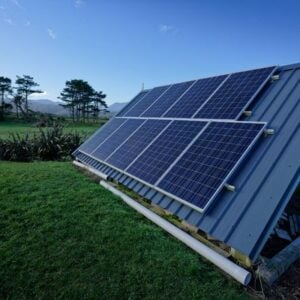
In the next phase, FAO will further support 20 hot pepper farmers through a 10-acre climate-smart field trial. The initiative will introduce solar-powered irrigation and fertigation systems, improved seedlings sourced from Trinidad and Tobago and the United States, and additional inputs such as water-soluble fertilizers, plastic mulch, drip lines, and water tanks, aiming to demonstrate scalable models for improved productivity and resilience.