Declining glaciers, shrinking water sources, and increasingly unpredictable weather are placing growing pressure on rural livelihoods in Kyrgyzstan’s At-Bashy district, where many families depend heavily on agriculture and livestock. A recent field mission by the Food and Agriculture Organization of the United Nations (FAO) and the Mountain Partnership Secretariat found that communities are experiencing a sharp decline in water availability, more frequent droughts, and accelerating land degradation. Residents reported that these environmental changes have worsened significantly over the past five years, creating an urgent need for climate-resilient solutions to protect livelihoods and natural resources in the mountainous district.
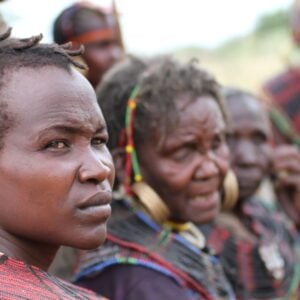
Across five Aiyl Aimaks (municipalities) in At-Bashy, 148 community members—including farmers, livestock breeders, women entrepreneurs, youth, and local authorities—shared evidence of a rapidly changing landscape. According to their observations, glaciers that once supplied rivers and irrigation canals are retreating, winter snowfall has dropped well below historical levels, and summer pastures are becoming increasingly dry. These shifts are deeply affecting daily life and agricultural productivity in a region where communities have long relied on stable mountain water sources for farming and livestock grazing.
For many households in At-Bashy, the impacts are especially severe because livestock production can account for up to 80 percent of household income. As water becomes scarcer and pasture conditions deteriorate, families are facing lower yields, reduced productivity, and growing economic insecurity. Community members also reported broader social consequences, including the outmigration of younger generations to urban areas in search of better opportunities as rural livelihoods become more difficult to sustain.
The mission was carried out under the FAO-hosted Mountain Partnership Secretariat’s project, “Sustainable Management of Natural Resources in Mountain Areas,” which is funded by the Government of Italy. The project is being implemented in partnership with Sapienza University of Rome across four countries: Afghanistan, Kyrgyzstan, Montenegro, and Pakistan. In Kyrgyzstan, the project focuses specifically on reducing vulnerability in the At-Bashy district by assessing the effects of drought and land degradation and by developing an evidence-based plan to introduce practical water-saving technologies suited to mountainous environments.
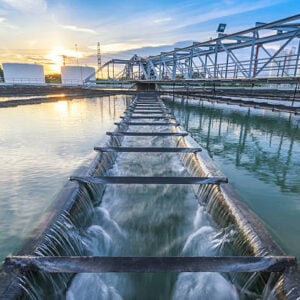
These planned interventions include the construction of water storage reservoirs and the introduction of drip irrigation systems, both of which are intended to help communities use limited water resources more efficiently. Through individual questionnaires and participatory focus group discussions in several villages, residents consistently identified the same urgent priorities. These included the rehabilitation of irrigation canals, improved water storage infrastructure, adoption of water-saving technologies, better pasture management, and improved access to agricultural training and veterinary services. These findings suggest that local communities are not only aware of the challenges they face, but also have clear ideas about the practical solutions needed.
Women participants highlighted additional concerns that reflect the gendered impacts of climate stress in mountain communities. Because many men migrate for work, women often carry a larger share of both household and agricultural responsibilities. As a result, they stressed the need for improved access to finance and stronger support for small-scale entrepreneurship, which could help diversify income sources and strengthen household resilience in the face of worsening environmental conditions.
The information gathered during the mission will now be used to prepare a policy brief and a technical implementation plan focused on water-saving technologies. Importantly, the process is being developed in close consultation with local authorities and community members, ensuring that grassroots knowledge and local priorities remain central to the final recommendations. This participatory approach is intended to make the proposed solutions more relevant, practical, and sustainable for the communities most affected.
During the mission, FAO teams also met with Muktar Sherbaev, Akim of At-Bashy rayon, and Nurbek Satarov, Plenipotentiary Representative of the President of Kyrgyzstan in Naryn Oblast, both of whom expressed strong institutional support for the project and openness to continued collaboration. Local authorities acknowledged that the combined pressures of water scarcity, land degradation, and climate change require coordinated, long-term responses rather than short-term interventions, reinforcing the importance of partnerships between communities, government, and international organizations.
The findings from At-Bashy also reflect a broader global concern. Mountain areas cover 27 percent of the Earth’s surface and contain nearly half of the world’s biodiversity hotspots, yet they are among the ecosystems most vulnerable to climate change. In Kyrgyzstan, where mountain communities depend heavily on agriculture and livestock, the effects of environmental degradation are already being felt across generations. The results of the At-Bashy assessment will be presented at national and international workshops to help mobilize support for sustainable land and water management in mountain areas. In doing so, the initiative also contributes to wider efforts to advance Sustainable Development Goal 13 on Climate Action and Sustainable Development Goal 15 on Life on Land.
Overall, the mission highlights how climate change is already reshaping rural life in Kyrgyzstan’s mountain regions and underscores the urgent need for practical, locally informed solutions. By combining community input, scientific assessment, and institutional support, FAO and its partners are laying the groundwork for stronger climate resilience, improved water security, and more sustainable livelihoods in one of the country’s most vulnerable districts.