• Skip to primary navigation
  • Skip to main content
  • Skip to primary sidebar

fundsforNGOs News

Grants and Resources for Sustainability

  • Subscribe for Free
  • Premium Support
  • Premium Login
  • Premium Sign up
  • Home
  • Grants & Funding
    • Funds for NGOs
      • Agriculture, Food & Nutrition
      • Animals and Wildlife
      • Arts & Culture
      • Children
      • Civil Society
      • Community Development
      • Democracy and Good Governance
      • Economic Development
      • Education
      • Disability
      • Employment and Labor
      • Environment
      • Family Support
      • Healthcare
      • HIV and AIDS
      • Housing & Shelter
      • Humanitarian Relief
      • Human Rights
      • Human Service
      • Information Technology
      • Livelihood Development
      • LGBTQIA2S+
      • Media and Development
      • Narcotics, Drugs and Crime
      • Old Age Care
      • Peace & Conflict Resolution
      • Poverty Alleviation
      • Refugees, Migration & Asylum Seekers
      • Science & Technology
      • Sports & Development
      • Sustainable Development
      • Water, Sanitation & Hygiene (WASH)
      • Women & Gender
      • Youth & Adolescents
    • Donors & Funders
    • Funds for Companies
      • Accounts & Finance
      • Agriculture, Food and Nutrition
      • AI
      • Education
      • Energy
      • Environment
      • Healthcare
      • Innovation
      • Manufacturing
      • Media
      • Research
      • Startups & Early-Stage
      • Sustainable Development
      • Technology
      • Travel & Tourism
      • Women
      • Youth
    • Funds for Individuals
      • All Individuals
      • Artists
      • Disabled Persons
      • LGBTQIA2S+
      • PhD Holders
      • Researchers
      • Scientists
      • Students
      • Women
      • Writers
      • Youths
  • Funds in Your Country
  • Proposal Writing
    • Sample Proposals
    • Agriculture Proposals
    • Business Proposals
    • Child Development Proposals
    • Climate Change & Biodiversity Proposals
    • Community Development Proposals
    • Democracy & Good Governance Proposals
    • Disability Proposals
    • Disaster & Humanitarian Relief Proposals
    • Environment Proposals
    • Education Proposals
    • Healthcare Proposals
    • Housing & Shelter Proposals
    • Human Rights Proposals
    • Livelihood Development Proposals
    • Nutrition & Food Security Proposals
    • Poverty Alleviation Proposals
    • Refugees, Migration & Asylum-Seekers’ Proposals
    • Rural Development Proposals
    • Sustainable Development Proposals
    • Water, Sanitation & Hygiene (WASH) Proposals
    • Women & Gender Proposals
    • Youth Development Proposals
  • Premium
    • Premium Sign-in
    • Premium Grants
    • Premium eBooks
    • Premium Webinars
    • Premium Videos
    • Premium Courses
    • Premium Support
  • NGOs.AI
  • Contact
    • Submit Your Opportunity
    • Learning Lab
    • Q&A
    • News
    • About us
You are here: Home / cat / PNG Advances New Waste-to-Energy Policy

PNG Advances New Waste-to-Energy Policy

Dated: March 18, 2026

Papua New Guinea (PNG) has taken its first formal step toward developing a national Waste-to-Energy (WtE) policy, with an inception workshop held in Port Moresby that brought together government agencies, development partners, and regional organisations. The workshop marks the start of a structured process to translate existing research and feasibility studies into a practical policy framework and implementation roadmap. Technical support for the policy development is being provided by Alinea International, engaged by the Pacific Community (SPC) for expertise in policy analysis and roadmap design.

The initiative is part of the Pacific Adoption of Waste-to-Energy Solutions (PAWES) Project, implemented by SPC in collaboration with the Secretariat of the Pacific Regional Environment Programme (SPREP), and funded by the New Zealand Ministry of Foreign Affairs and Trade (MFAT). The WtE policy and roadmap aim to integrate energy recovery solutions into PNG’s waste management and energy systems while adhering to circular economy principles, environmental safeguards, and social inclusion standards.

Representatives from key national institutions, including the National Energy Authority (NEA) and the Conservation and Environment Protection Authority (CEPA), participated alongside private-sector stakeholders and research institutions. Participants reviewed the evidence base, tested the proposed policy structure, and identified realistic implementation actions that could be initiated within existing mandates and resources. NEA Manager Larsen Daboyan emphasised the importance of creating practical guidance to support PNG’s energy transition, noting the country’s challenges in waste management and electricity access.

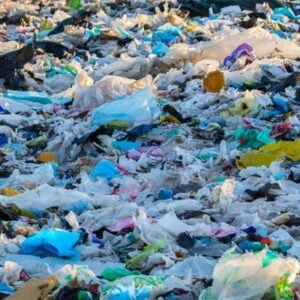
PNG faces a dual challenge of rapidly increasing urban waste and limited electricity access, with only about 20% of the population connected to the grid, according to World Bank data. The policy process is focused on solutions tailored to PNG’s institutional capacity, waste streams, and energy needs, rather than importing off-the-shelf WtE technology. SPC Deputy Director Olai Uludong stressed that the approach should remain practical and adapted to local conditions, ensuring environmental sustainability and social inclusion.

The policy development process uses a decision-gate framework to ensure technical, institutional, and social conditions are met before advancing any WtE pathway. SPREP Solid Waste Management Adviser Susana Telakau highlighted that WtE should complement, not compete with, recycling systems and broader circular economy efforts. The workshop allowed stakeholders to validate data, confirm institutional roles, and identify priority actions for the first year of implementation.

PAWES Project Manager Christine Deo-Reddy noted that insights from the workshop will directly inform the drafting of the WtE Policy and Implementation Roadmap. The draft policy and roadmap are expected to be completed by May 2026 after further consultation with the PNG government and regional partners. Through initiatives like PAWES, SPC and its partners are working to provide sustainable, regionally appropriate solutions for waste management and renewable energy across Pacific Island countries.

The PAWES Project is co-funded by SPC and the ACP Innovation Fund under the Organisation of African, Caribbean and Pacific States (OACPS) Research and Innovation Programme, with financial support from the European Union. It is led by SPC in partnership with SPREP to support sustainable adoption of WtE solutions across the Pacific.

Related Posts

  • EIB Supports Iren with €225 Million to Boost Italy’s Circular Economy
  • Fugro Joins Efforts to Protect Pacific Communities from Rising Seas
  • Commission Unveils New Strategy to Boost Clean Energy Investment
  • World Bank Backs Waste Management Modernization in Bosnia and Herzegovina
  • Government Aims to Go Further and Faster on Energy Security

Primary Sidebar

Latest News

UN Report Shows $2.5 Billion Mobilised for Solutions to Internal Displacement

Saudi Arabia Strengthens Partnership with UNDP to Support Global Sustainable Development

Row of bright yellow heavy-duty dump trucks parked on an industrial site under a clear blue sky.

UNDP Provides Heavy-Duty Vehicles to Support Humanitarian Demining in Ukraine’s Kharkiv Region

UNDP Supports Community-Led Environmental Projects in Ghana’s Black Volta Basin

European Parliament Calls for Greater EU Investment in Overseas Biodiversity Protection

UNOPS and World Bank Expand Solar Power Access for Communities Across Yemen

Madagascar to Strengthen Urban Resilience and Create Jobs with $225 Million World Bank Investment

Humanitarian Service Points Provide Lifeline for Malian Refugees Arriving in Mauritania

ILO and Jordan Trade Unions Strengthen Efforts to Protect Migrant Workers’ Rights

ILO and WFP Support Cocoa and Breadfruit Industries to Create Jobs in Haiti

UN Chief Calls for Global AI Rules as Concerns Grow Over Autonomous Weapons and Digital Risks

UN Expands Venezuela Earthquake Relief Efforts as Damage Estimate Reaches $37 Billion

EBRD and EU Expand Green Investment Support Across Sub-Saharan Africa

Colorful toy boxes with blue, yellow, and orange lids stacked together on a table.

Kosovo Packaging Producer Cuts Carbon Emissions with EBRD and EU Green Support

Lancet Review Confirms mRNA Vaccines Are Safe and Effective

UN Food Systems Hub Strengthens Regional Cooperation Across the Caribbean and Central America

People wearing yellow gloves picking up litter and placing it into a dark blue garbage bag during an outdoor cleanup.

EBRD Supports Community Clean-Up Initiative in Amman to Promote Sustainable Waste Management

Uzbekistan Endorses Agrifood Investment Roadmap to Accelerate Climate Action

ILO Training in Turin Strengthens Collective Bargaining and Negotiation Skills

Over 20,000 Children in Türkiye Supported to Stay in School Through ILO Initiative

Four young women sit on outdoor steps, collaborating with a laptop and a tablet.

Nepal Advances Care Cooperatives to Boost Women’s Employment and Community Care Services

Green Climate Fund Approves $30 Million for Climate Resilience in Tajikistan

World Bank Group Recommends Reforms to Boost Private Investment and Create 300,000 Jobs in Uzbekistan

EIB and Bpifrance Strengthen Partnership With €550 Million for Renewable Energy, Security and Defence

EIB Grants €500 Million to CDC Habitat to Boost Affordable Housing in France

EIB Provides €345 Million to Alperia for Sustainable Energy Infrastructure in South Tyrol

EIF Backs Climentum With €40 Million to Boost Europe’s Climate-Tech Startups

Five Insights for Building Africa’s Inclusive Prosperity

UNDP Urges Creatives to Tap AfCFTA’s 1.4 Billion Market and Boost Investment

Caribbean Leads Global Effort to Eliminate Mother-to-Child Disease Transmission

Côte d’Ivoire Secures $399 Million World Bank Financing to Support Private Investment

Africa Finance Corporation Prices $500 Million Eurobond at Record-Low Spread

Tanzania Secures $3.1 Billion Five-Year Health Deal With the U.S.

Côte d’Ivoire Approves $366.3 Million Funding for Health and Energy Projects

Supporting Food System Sovereignty in Burkina Faso

Burkina Faso Backs ADF-17 to Strengthen African Development Financing Ownership

Mali Ratifies AfDB Loans to Boost Electricity Supply in Bamako

AfDB Strengthens Public Service Capacity to Improve Project Delivery in Togo

AfDB Launches Digital Monitoring Platform to Improve Project Supervision in Ghana

World Bank Funds $119 Million Flood Resilience Project to Protect Jobs in Brazil

Funds for NGOs
Funds for Companies
Funds for Media
Funds for Individuals
Sample Proposals

Contact us
Submit a Grant
Advertise, Guest Posting & Backlinks
Fight Fraud against NGOs
About us

Terms of Use
Third-Party Links & Ads
Disclaimers
Copyright Policy
General
Privacy Policy

Premium Sign in
Premium Sign up
Premium Customer Support
Premium Terms of Service

©FUNDSFORNGOS LLC.   fundsforngos.org, fundsforngos.ai, and fundsforngospremium.com domains and their subdomains are the property of FUNDSFORNGOS, LLC 1018, 1060 Broadway, Albany, New York, NY 12204, United States.   Unless otherwise specified, this website is not affiliated with the abovementioned organizations. The material provided here is solely for informational purposes and without any warranty. Visitors are advised to use it at their discretion. Read the full disclaimer here. Privacy Policy. Cookie Policy.