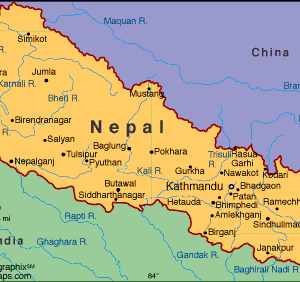
The Nagdhunga–Naubise–Mugling (NNM) road is a crucial transport corridor in Nepal, connecting the Kathmandu Valley to the Terai region and onward to India. As part of Asian Highway AH42, it handles an estimated 60–70 percent of goods entering Kathmandu, including food, fuel, construction materials, and medicines. Recent upgrades under the Strategic Road Connectivity and Trade Improvement Project (SRCTIP) have enhanced pavement quality, road safety, and travel times along the 94.7 km stretch.
Despite these improvements, the project highlighted systemic delays in Nepal’s infrastructure delivery. Land acquisition alone took 35 months—nearly 150% longer than planned—illustrating the broader challenges facing major public investments in roads, hydropower, irrigation, and water supply projects. Structural issues in project execution have led to incomplete projects, delayed services, and limited economic growth, according to the World Bank’s Nepal Capital Expenditure Bottlenecks Analysis (October 2025).
Nepal’s public investment system faces weaknesses across the project cycle. While capital budgets have declined at the federal level and execution rates remain low, project preparation is slowed by prolonged tree-cutting approvals, outdated land valuation, and compensation disputes. Quarterly cash rationing, low disbursements for donor-funded projects, frequent staff turnover, and complex procurement procedures further exacerbate delays. For example, the SRCTIP project experienced a 60-day delay due to inflexible budget reallocation rules, and procurement timelines remain the longest in South Asia.
Addressing these implementation challenges requires reforms that focus on project selection, preparation, financing, and execution rather than merely allocating budgets. Recommended reforms include prioritizing investment-ready projects, accelerating land acquisition and environmental clearances through digital tools, improving cash management and budget reallocations, and streamlining procurement procedures. These steps aim to reduce idle allocations, prevent year-end spending surges, and ensure timely and quality infrastructure delivery.
Some progress has already been made. Following consultations with the government and stakeholders, forest regulations were amended in January 2026 to streamline the tree-cutting approval process. Sustaining this momentum through broader reforms is essential to accelerate infrastructure delivery, enhance economic growth, and generate employment in Nepal.