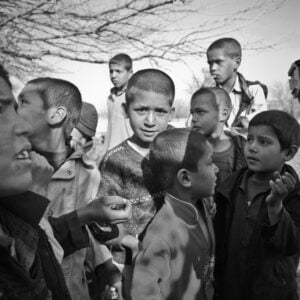
Since 2019, over 90 nationals from Trinidad and Tobago, including at least 50 children, have been arbitrarily detained in northeast Syria for alleged links to ISIS. Their conditions have been life-threatening for years, and recent reports indicate that abuses have intensified. Women detained in the Roj camp, controlled by the Syrian Democratic Forces, described escalating mistreatment by Kurdish security forces, including night raids, beatings, threats, and degrading treatment. One detainee recounted armed men firing into the air, forcing women and children from tents, separating boys from their mothers, and physically assaulting both children and adults over a four-hour period.
Across northeast Syria, more than 40,000 foreigners from 60 countries have been held in camps since ISIS’s fall in 2018-2019, with over 12,000 repatriated by at least 40 countries. Despite promises, Trinidad and Tobago has only repatriated two boys as of April 2025. Most Trinidadian detainees are children who never chose to live under ISIS, and some were born in Syria. None have been formally charged or given access to judicial review, making their detention unlawful.
The government of Trinidad and Tobago has previously cited challenges in dealing with nonstate actors controlling the camps as a barrier to repatriation. However, as control of the area shifts and international engagement with Syria’s transitional authorities grows, this justification is increasingly untenable. The situation leaves the lives of dozens of women and children at grave risk, and immediate action is needed from the government to bring its nationals home.