UNESCO has announced the launch of 19 new emergency-focused projects totaling $6.9 million, funded by Japan, to support communities affected by crises worldwide. These projects will strengthen initiatives in cultural heritage, education, and access to information, reinforcing UNESCO’s critical role in emergency response. Japan’s continued support highlights the importance of international cooperation in addressing the world’s most complex emergencies, from conflicts to climate-related disasters.
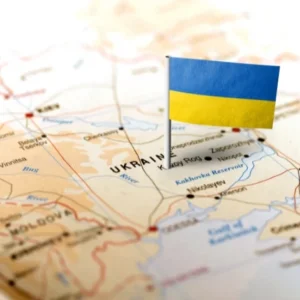
A substantial portion of the funding is earmarked for Ukraine, where the war is entering its fifth year. The support will focus on emergency stabilization of war-damaged heritage sites, creating safe and inclusive learning environments, providing professional training and mental health support, and enhancing protection for journalists. Since 2022, Japan has contributed a total of $27 million to UNESCO programs in Ukraine, reflecting its longstanding commitment to recovery and resilience in the country.
Beyond Ukraine, the projects aim to assist communities facing conflict, climate shocks, and economic hardship across the globe. Initiatives include keeping schools open and safe in Cameroon, the Democratic Republic of Congo, and Uganda, improving flood preparedness in Nigeria and Somalia, and strengthening disaster response systems in Viet Nam after Typhoon Wipha. In Yemen, renewable energy-powered desalination projects will expand access to clean water, while in Türkiye and Lebanon, learning environments will be made safer and more supportive for children and youth. Efforts in Moldova will focus on safeguarding access to reliable information and independent media.
The new portfolio emphasizes investment in young people and their futures. Programs in Sudan, Iraq, and Palestine will create jobs, expand skills training, and promote grassroots peacebuilding. In Ethiopia, Benin, Senegal, Gabon, Nigeria, and South Africa, youth will gain access to digital tools and career-focused training to better prepare for the modern job market. Additional initiatives will improve sanitation and menstrual hygiene facilities in Gabon and provide inclusive education opportunities for Myanmar migrant children in Thailand.
These funds complement UNESCO’s ongoing emergency actions to safeguard culture, education, and press freedom. Across Iraq, Ukraine, Gaza, and Beirut, UNESCO has trained 3,500 people in emergency preparedness, protected 40 World Heritage sites, and safeguarded over 21,000 museum objects. The organization has also conducted 320 emergency education initiatives in 133 countries, reaching 42.5 million learners.
With 194 Member States, UNESCO promotes peace and security through multilateral cooperation in education, science, culture, communication, and information. Headquartered in Paris, the organization operates in 54 countries, oversees more than 2,000 World Heritage sites, and supports networks of schools, universities, and research institutions worldwide. Its efforts continue to emphasize that peace must be constructed in the minds of people, reflecting the enduring principles of UNESCO’s Constitution.