The Government of Japan, Cambodia’s National Committee for Disaster Management (NCDM), and the United Nations World Food Programme (WFP) have launched a new USD $1.5 million initiative to support families affected by the 2025 Cambodia–Thailand border clashes. The project, titled the Project for Livelihoods Recovery and Nutritional Fortification in Communities Affected by the Border Conflict, is designed to help vulnerable households rebuild livelihoods, improve dietary diversity, and strengthen resilience in communities impacted by the conflict.
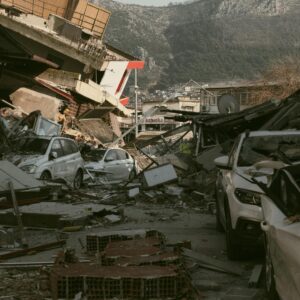
The border clashes in July and December 2025 displaced over 600,000 people, while an additional 900,000 migrant workers returned from Thailand, placing significant pressure on local services. Communities in Preah Vihear and Oddar Meanchey provinces continue to face damaged roads, destroyed agricultural systems, disrupted incomes, and rising food insecurity, making recovery efforts critical.
Over the next year, WFP will implement a nutrition-sensitive Food Assistance for Assets program, providing fortified rice and cash vouchers to food-insecure families. In exchange, participating households will rehabilitate essential community infrastructure such as roads, irrigation canals, water systems, and agricultural facilities. These efforts aim to restore local economies and ensure long-term stability.
The project will directly support 1,500 households, benefiting more than 6,000 people, with additional indirect benefits for communities through restored infrastructure. Priority will be given to displaced families, returnee migrants, women, children, and nutritionally at-risk groups, ensuring that those most affected receive immediate and sustainable support.
Japan’s ambassador to Cambodia, UENO Atsushi, highlighted the importance of linking food assistance with livelihood recovery, emphasizing the project’s role in helping affected communities regain dignity and rebuild their lives. WFP Representative Kyungnan Park underscored the integrated approach, combining food security, nutrition, livelihoods, and community rehabilitation to foster both immediate relief and long-term development.
Senior Minister KUN Kim of the NCDM reaffirmed the Cambodian government’s commitment to coordination and preparedness, noting that strengthening community infrastructure and local capacities is essential not only for present recovery but also for resilience against future shocks.