• Skip to primary navigation
  • Skip to main content
  • Skip to primary sidebar

fundsforNGOs News

Grants and Resources for Sustainability

  • Subscribe for Free
  • Premium Support
  • Premium Login
  • Premium Sign up
  • Home
  • Funds for NGOs
    • Agriculture, Food and Nutrition
    • Animals and Wildlife
    • Arts and Culture
    • Children
    • Civil Society
    • Community Development
    • COVID
    • Democracy and Good Governance
    • Disability
    • Economic Development
    • Education
    • Employment and Labour
    • Environmental Conservation and Climate Change
    • Family Support
    • Healthcare
    • HIV and AIDS
    • Housing and Shelter
    • Humanitarian Relief
    • Human Rights
    • Human Service
    • Information Technology
    • LGBTQ
    • Livelihood Development
    • Media and Development
    • Narcotics, Drugs and Crime
    • Old Age Care
    • Peace and Conflict Resolution
    • Poverty Alleviation
    • Refugees, Migration and Asylum Seekers
    • Science and Technology
    • Sports and Development
    • Sustainable Development
    • Water, Sanitation and Hygiene (WASH)
    • Women and Gender
  • Funds for Companies
    • Accounts and Finance
    • Agriculture, Food and Nutrition
    • Artificial Intelligence
    • Education
    • Energy
    • Environment and Climate Change
    • Healthcare
    • Innovation
    • Manufacturing
    • Media
    • Research Activities
    • Startups and Early-Stage
    • Sustainable Development
    • Technology
    • Travel and Tourism
    • Women
    • Youth
  • Funds for Individuals
    • All Individuals
    • Artists
    • Disabled Persons
    • LGBTQ Persons
    • PhD Holders
    • Researchers
    • Scientists
    • Students
    • Women
    • Writers
    • Youths
  • Funds in Your Country
    • Funds in Australia
    • Funds in Bangladesh
    • Funds in Belgium
    • Funds in Canada
    • Funds in Switzerland
    • Funds in Cameroon
    • Funds in Germany
    • Funds in the United Kingdom
    • Funds in Ghana
    • Funds in India
    • Funds in Kenya
    • Funds in Lebanon
    • Funds in Malawi
    • Funds in Nigeria
    • Funds in the Netherlands
    • Funds in Tanzania
    • Funds in Uganda
    • Funds in the United States
    • Funds within the United States
      • Funds for US Nonprofits
      • Funds for US Individuals
      • Funds for US Businesses
      • Funds for US Institutions
    • Funds in South Africa
    • Funds in Zambia
    • Funds in Zimbabwe
  • Proposal Writing
    • How to write a Proposal
    • Sample Proposals
      • Agriculture
      • Business & Entrepreneurship
      • Children
      • Climate Change & Diversity
      • Community Development
      • Democracy and Good Governance
      • Disability
      • Disaster & Humanitarian Relief
      • Environment
      • Education
      • Healthcare
      • Housing & Shelter
      • Human Rights
      • Information Technology
      • Livelihood Development
      • Narcotics, Drugs & Crime
      • Nutrition & Food Security
      • Poverty Alleviation
      • Sustainable Develoment
      • Refugee & Asylum Seekers
      • Rural Development
      • Water, Sanitation and Hygiene (WASH)
      • Women and Gender
  • News
    • Q&A
  • Premium
    • Premium Log-in
    • Premium Webinars
    • Premium Support
  • Contact
    • Submit Your Grant
    • About us
    • FAQ
    • NGOs.AI
You are here: Home / cat / Mongolia’s Path to a Just Energy Transition: Challenges and Opportunities

Mongolia’s Path to a Just Energy Transition: Challenges and Opportunities

Dated: February 13, 2026

In winter, temperatures in Ulaanbaatar, the world’s coldest capital, often drop below –30°C, bringing not only extreme cold but also heavy, toxic coal smoke that endangers residents’ health and livelihoods. For families living in the ger areas, traditional felt tents, coal-driven air pollution poses severe risks, especially for children and pregnant women, increasing rates of respiratory illnesses, preterm births, and other complications. Ms. Gantuya, a mother of three in Chingeltei District, described how coal smoke worsened her daughter’s dust allergies and made daily life difficult.

A brighter chapter is emerging through Mongolia’s renewable energy initiatives. Ms. Gantuya is among 68 households participating in the UNDP Mongolia Solar Facility Project, which provides solar-powered heating systems as a clean alternative to coal. These photovoltaic systems, equipped with smart meters, reduce emissions, improve air quality, and withstand Mongolia’s harsh winters, while saving households time and money previously spent on coal. She noted improvements in her children’s health and more time for her son to study.

UNICEF Mongolia is also supporting the transition from coal to low-carbon and renewable energy. Through the CHIP package, over 25,000 people now live in warm, coal-free homes, and more than 6,000 ger households across Ulaanbaatar and 13 provinces have received electric heaters, modern appliances, and improved insulation. Renewable energy solutions have also been implemented in rural schools and health centres, and solar-enabled WASH facilities now reach nearly 37,500 people across ten provinces. Beneficiaries such as Amaasuren, an elderly man, report reduced physical strain and increased safety from switching to electric heating.

Despite Mongolia’s abundant renewable energy potential exceeding 2,600 GW, coal still accounts for over 90% of energy use, and only 18.3% of installed capacity comes from renewables. Pilot projects by UNDP and UNICEF have demonstrated tangible results in reducing coal consumption and improving quality of life. Building on these successes, the government is expanding renewable heating and energy solutions while exploring carbon market opportunities for long-term sustainability. Some households are already supplying surplus electricity to the central grid, generating income and demonstrating scalable models for the future.

These initiatives have informed national policy and regulatory frameworks, including Mongolia’s Just Energy Transition Framework (JETF), developed with UN support and the Joint SDG Fund. The framework balances environmental, social, and economic priorities, promotes clean energy, green infrastructure, and SME growth, and ensures vulnerable communities benefit from the energy transition. UN Resident Coordinator Jaap van Hierden emphasized that the Framework puts people at the center, fostering decent work, resilience, and equitable opportunities.

By 2035, the JETF is expected to guide Mongolia toward a national, equitable, and resilient energy transition. UNDP Resident Representative Matilda Dimovska highlighted the need for a green and just energy future that leaves no household or region behind, while the Ministry of Energy reaffirmed its commitment to implementing the Framework in alignment with national and international climate goals.

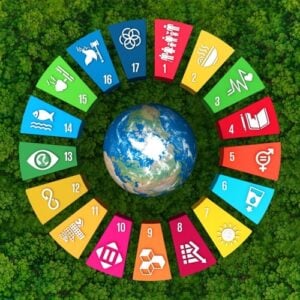
The joint UN programmes are supported by the European Union and multiple international partners, advancing Mongolia’s movement toward achieving the Sustainable Development Goals by 2030.
Related Posts

  • New SDG Fund II Investment Catalyses $300 Million for India’s Growing Solar Market
  • How Renewable Energy Can Drive East Asia’s Economic Growth
  • European Investment Bank and Solas Capital Join Forces to Drive Business Energy Savings
  • Harnessing 280 Days of Sunlight: North Macedonia’s Path to Energy Self-Sufficiency
  • How Community Energy Projects Build Local Wealth and Influence

Primary Sidebar

Latest News

New £1 Million Initiative Supports Locals on Pathway to Jobs

UFAA Announces KSh 5M Grants for NGOs Supporting Widows

Nocomed Focuses on Sustainability Challenges in Healthcare

New Galway Fund Unlocks Financing for Social and Community Initiatives

Bezos Earth Fund Advances 30×30 Goal with $10B Commitment

Ancient Forests at Risk: Climate Change Drives Fire Weather in Argentina and Chile

UK Commits £6m to Support Somalia Amid Worsening Drought Crisis

Nine Community Projects Receive £80,000+ in Connect Fund Grants

Why Small-Scale Farmers Struggle to Earn a Sustainable Income Globally

Finnish Cultural Foundation Awards €29M, Tampere University Gains €2M

Transforming African Health: UNFPA Partners with Africa CDC for Innovation and Impact

4G, 5G, and Satellite Technology Drive India’s Future Connectivity

Famine Deepens in Sudan as WHO Labels Guinea-Bissau Trial ‘Unethical’

Kyrgyz Republic Moves Toward Sustainable Transit with EBRD Support

Ghana’s Legal Cannabis Industry Could Generate $1 Billion Annually

Top 5 Urgent Global Challenges the World Faces in 2026

UNCDF Joins Canada Forum for Impact Investment and Development

WHO/Europe and EU Advance Arts and Culture for Health and Wellbeing

Supporting Innovation in Drug and Alcohol Addiction Healthcare Solutions

Shaping the Future of Skills: Key Insights from Workforce Foresighting Hub Workshops

Mozambique Hydropower Boost: Mphanda Nkuwa Project Gains AfDB Support

AgriConnect-Côte d’Ivoire: Job Creation and Food Security Boost with AfDB & World Bank

Ontario Investing $20 Million in Species at Risk Conservation Programs

$6.4 Billion Investment by Ontario to Boost Postsecondary Sector Success and Future Growth

Czechia Secures Nearly €2 Billion from EIB Group in 2025 for Rail, Power Grids, Business Growth, and Housing

Czechia Receives €2 Billion EIB Funding for Railways, Energy Grids, SMEs, and Housing in 2025

DR Congo Child Soldiers Describe Abduction, Violence, and Drugging; Calls for Urgent Action

DR Congo Children Reveal Abduction and Violence in Armed Groups, Urgent Action Needed

EIB Backs Czechia’s Electricity Grid Upgrade and Expansion Project

PAHO/WHO and Antigua & Barbuda Partner to Drive Health Priorities Through 2031

Quantum Systems Receives New EU Financing to Scale Unmanned Systems Solutions

World Bank Warns Human Capital Crisis Threatens Future Earnings

World Bank Launches Transport Connectivity Project in Bosnia and Herzegovina

Human Trafficking Crisis: IOM Calls for Global Action on 125,000 Victims

Sustainable Development Insights: Reflections from the Field

Detroit New Mothers Can Now Apply for Rx Kids Cash Assistance Program

Munich Security Conference Spotlights Food Security and Innovation at WFP Event

Japan, Cambodia, and WFP Launch $1.5M Project to Support Families Affected by Border Conflict

Mongolia’s Path to a Just Energy Transition: Challenges and Opportunities

UK Seizes Nearly 20 Million Illegal ED Pills in Five Years

Funds for NGOs
Funds for Companies
Funds for Media
Funds for Individuals
Sample Proposals

Contact us
Submit a Grant
Advertise, Guest Posting & Backlinks
Fight Fraud against NGOs
About us

Terms of Use
Third-Party Links & Ads
Disclaimers
Copyright Policy
General
Privacy Policy

Premium Sign in
Premium Sign up
Premium Customer Support
Premium Terms of Service

©FUNDSFORNGOS LLC.   fundsforngos.org, fundsforngos.ai, and fundsforngospremium.com domains and their subdomains are the property of FUNDSFORNGOS, LLC 1018, 1060 Broadway, Albany, New York, NY 12204, United States.   Unless otherwise specified, this website is not affiliated with the abovementioned organizations. The material provided here is solely for informational purposes and without any warranty. Visitors are advised to use it at their discretion. Read the full disclaimer here. Privacy Policy. Cookie Policy.