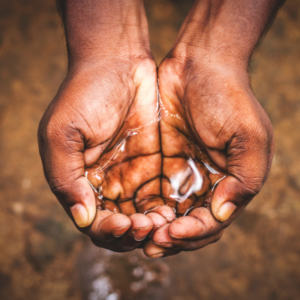
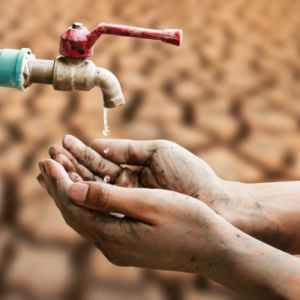
The Board of Directors of the African Development Fund, the Bank Group’s concessional window, has approved a $24.45 million grant to improve access to clean water and sanitation in Somalia. The Urban Water Supply and Sanitation Project will benefit more than half a million people in the towns of Dollow, Qardho, and South Galkayo, where safe water is scarce and climate shocks are increasingly severe. The project also aims to reduce the burden on women and children who spend hours collecting water, improve hygiene, and prevent disease by providing reliable water supply and upgraded sanitation facilities.
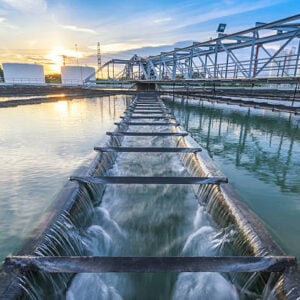
Approved on January 28, the financing will support the expansion and rehabilitation of water and sanitation systems in the three rapidly growing towns, which have absorbed large numbers of internally displaced populations. The project includes installing 40 km of transmission and distribution pipelines, drilling or rehabilitating 42 boreholes, constructing four water treatment plants and three water quality testing labs, and equipping the localities with 26 generators powered by solar panels.
The project will also construct approximately 915 shared household latrines and deploy mobile desludging units to manage overflowing waste. A hygiene promotion campaign focusing on menstrual health will target 30 percent of the population to encourage better hygiene practices.
Institutional capacity-building is a key component, with training provided to 100 federal member state staff in areas such as water quality and groundwater monitoring, water analysis, infrastructure maintenance, budgeting, coordination, and regulation. Youth from marginalized groups will also receive skills training in pipeline installation, borehole drilling, reservoir rehabilitation, and water treatment plant operations.
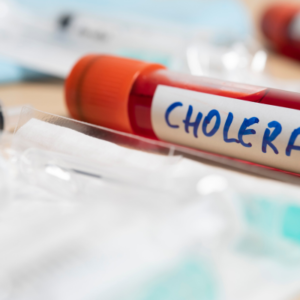
The project is expected to deliver significant long-term benefits, including reduced health risks from waterborne diseases, decreased time spent fetching water, and increased school attendance—particularly for girls. Strengthened capacity among local and federal authorities, coupled with improved operations and maintenance by water utility companies, will help ensure that the benefits are sustainable beyond the project’s duration.
Bubacarr Sankareh, African Development Bank’s lead advisor for Somalia operations, emphasized that the investment deepens the Bank’s engagement in Somalia. He noted that by expanding resilient urban water systems, the project enhances health and hygiene while building local capacity to maintain and manage these services effectively.