Inside the Hagadera Refugee Camp in Dadaab, eastern Kenya, Mariam has transformed her kitchen garden into a source of nutrition and self-reliance. Having lived in the camp for 19 years after fleeing political unrest in Somalia, she has worked tirelessly to make her surroundings feel like home. Her garden provides diverse, nutritious produce for her family of seven and serves as an example for other refugees in the camp.
Mariam’s kitchen garden is part of the European Union-funded Refugee Settlement Project implemented by the Food and Agriculture Organization of the United Nations (FAO) in partnership with other UN agencies. While 2,000 households in Dadaab were supported to establish gardens through this initiative, Mariam’s thriving garden stands out for both quantity and quality, attracting fellow community members who seek guidance or a share of her harvest. FAO provided seeds and training to help refugees grow crops in Dadaab’s challenging conditions of sandy soil and scarce water.
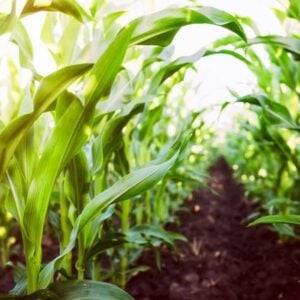
To maintain her green garden, Mariam sources fertile loam soil from an hour away using a donkey-pulled cart and carefully applies the training she received from FAO extension service providers. Her dedication and innovative techniques have enabled her to produce spinach, kale (Sukuma Wiki), black nightshade, cowpeas, amaranth, and jute mallow despite the harsh environment. Her motivation comes from ensuring her children have sufficient and diverse food, allowing her family to reduce reliance on food rations.
The kitchen garden has also provided financial benefits, saving Mariam approximately USD 45 per month on food expenses, which she uses to meet other household needs. She dreams of expanding the garden to produce enough to sell surplus vegetables in the market, providing fresh, high-quality produce to the local community.
Beyond crop production, households participating in the project receive training on cooking demonstrations to improve their ability to prepare diverse and nutritious meals using locally grown foods. The initiative also promotes backyard poultry rearing to further improve food security and nutrition, particularly addressing iron-deficiency and anemia among women and poor dietary diversity in children under five.
Elizabeth Kamau, FAO project lead, highlights the impact of the project, noting that women like Mariam are adopting practical, nutrition-focused food production technologies that strengthen both their incomes and their diets. The initiative plans to reach another 2,000 households, continuing to promote sustainable, home-based food systems.
Mariam’s story is part of a global effort celebrating women farmers in 2026, recognizing their crucial contributions to food security, economic prosperity, and improved nutrition. The International Year of the Woman Farmer emphasizes the need for investment, empowerment, and equitable access to resources to create inclusive and sustainable agrifood systems worldwide.