England’s water sector experienced one of its most severe hydrological challenges in 2025, as an unusual combination of prolonged dry conditions and above-average temperatures led to a significant drought. The government report, 2025 drought: how it developed in England, published on 26 January 2026, provides a detailed analysis of the event, offering crucial insights for water companies, regulators, and policymakers preparing for a future of more variable climate conditions.
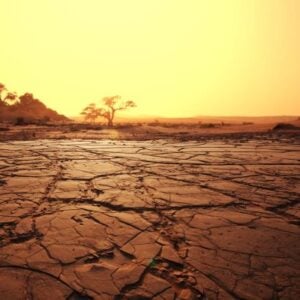
The drought followed a wet late 2024, which had saturated soils across much of England. By February 2025, precipitation deficits became apparent, and March recorded only about 25% of its average rainfall, marking one of the driest months since 1960. These conditions caused soil moisture to decline sharply, slowed groundwater recharge, and reduced river flows to below critical thresholds. Continued below-average rainfall in April and May intensified water deficits, with reservoirs in key supply areas showing significant reductions and signaling a prolonged period of stress for both public supply and environmental systems.
The summer months of June, July, and August brought sustained heatwaves and very low rainfall, with August receiving only 42% of the long-term average. Reservoir levels in major supply zones fell to historic lows, prompting water companies to implement Temporary Use Bans, commonly known as hosepipe bans. Groundwater abstraction from chalk and sandstone aquifers was increasingly constrained, with regulatory measures such as volumetric restrictions and drought permits issued to protect both public supply and environmental flows.
Environmental and agricultural systems were heavily affected by the drought. Low river flows and limited reservoir releases led to concentrated nutrients, causing algal blooms and fish mortality in some catchments. Canals and inland navigation suffered closures in regions where water levels were insufficient for safe passage. Agricultural irrigation, especially for high-value horticultural crops, faced significant challenges due to soil moisture deficits, increasing crop stress during the peak summer months.
Rainfall in autumn and early winter provided partial recovery, replenishing some water resources. However, the prolonged spring and summer dryness left lingering effects, including reduced groundwater levels and continued ecological stress. The 2025 drought highlighted the increasing variability of England’s water resources under a changing climate and emphasized the importance of proactive planning. Recommendations for resilience include improved forecasting and monitoring, flexible water management strategies such as dynamic licensing and inter-reservoir transfers, and investments in infrastructure to reduce leaks, augment storage, and support catchment-scale interventions.
For stakeholders in the water sector, the 2025 drought serves both as a cautionary example of the vulnerabilities in current systems and as a guide for building stronger resilience against future extreme dry events, ensuring reliable supply while protecting environmental health.