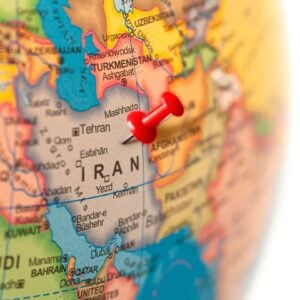
Assistant Secretary-General Martha Pobee briefed an emergency meeting of the UN Security Council in New York, convened by the United States to address the ongoing crisis in Iran. She described the situation as “fluid and deeply concerning,” noting that protests were continuing, although reportedly at a smaller scale than the previous week.
Ms. Pobee expressed alarm over public statements suggesting potential military strikes on Iran, warning that such rhetoric “adds volatility to an already combustible situation” and urging that all efforts be made to prevent further deterioration.
UN Secretary-General António Guterres emphasized that concerns regarding Iran, including the nuclear issue and ongoing protests, are best addressed through diplomacy and dialogue. He called for maximum restraint from all actors to prevent further loss of life and to avoid sparking a wider regional escalation.
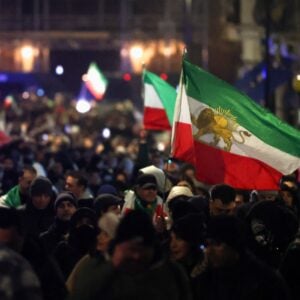
The current wave of protests began on 28 December when shopkeepers in Tehran took to the streets in response to the collapse of the national currency, soaring inflation, and worsening living conditions. The demonstrations quickly spread nationwide, becoming the largest anti-government protests since September 2022, which were sparked by the death in custody of Kurdish woman Jina Amini. Authorities have imposed a near-total communications blackout, and hundreds, possibly thousands, of protesters and bystanders have been killed, with more than 18,000 people reportedly detained, although the UN has not been able to independently verify these figures.
The Iranian government attributed the violence to “organized terrorists” and “rioters” infiltrating the protests, claiming these groups targeted both security forces and demonstrators to provoke foreign military intervention. The authorities also blamed these elements for the deaths of hundreds of civilians and security personnel. The UN Secretary-General expressed deep concern over reports of excessive use of force and reaffirmed the rights to freedom of expression, association, and peaceful assembly.
Two civil society representatives, Iranian journalist and dissident Masih Alinejad and Iranian-American human rights activist Ahmad Batebi, briefed the Council. Alinejad called for real and concrete action to bring justice to those responsible for the massacres, while Batebi recounted his own experience of arrest, solitary confinement, torture, and a coerced confession while protesting as a student.
US Ambassador Mike Waltz warned that the Iranian regime’s violent repression has repercussions for international peace and security. He highlighted the Iranian people’s unprecedented demand for freedom and stressed that the regime is solely responsible for their economic hardship and repression, vowing that it would be held accountable.
In response, Iran’s Deputy Permanent Representative Gholamhossein Darzi criticized the civil society briefers as representing the political agenda of the United States and Israel. He condemned the US for allegedly spreading lies and disinformation to conceal its role in steering unrest in Iran toward violence, speaking on behalf of what he called “a nation in mourning.”