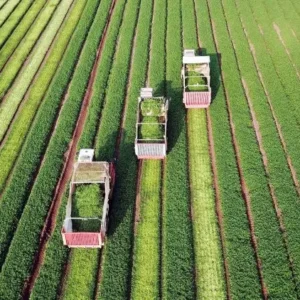
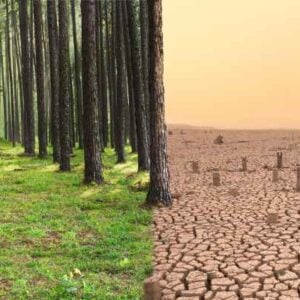
Rice is a strategic staple crop in Mali, playing a crucial role in national food and nutrition security. Over the past two decades, demand for rice has increased steadily due to population growth and changing dietary habits. However, rice production, particularly in irrigated zones like the Office du Niger and lowland and rainfed ecosystems, is increasingly vulnerable to climate change. Rising temperatures, erratic rainfall, recurrent droughts, and intensified flooding are reducing yields and exposing farmers to higher production risks, making it essential to adopt climate-smart agricultural strategies.
Climate-smart rice innovations, including drought- and flood-tolerant varieties, are critical for maintaining stable yields under stress-prone conditions. Developed by research institutions such as the International Rice Research Institute, AfricaRice, and other CGIAR centers, these varieties help farmers manage abiotic and biotic stresses. Complementary practices, including Good Agricultural Practices (GAPs) and pest and disease management, strengthen productivity and sustainability, supporting improved soil fertility, crop health, and resilience in rice-based systems.
Scaling these innovations is particularly important in Mali, where over 20% of the population faces food insecurity during lean seasons. Climate-resilient rice varieties and associated practices increase yield stability, reduce losses from pests and climatic stress, enhance farmer incomes, and contribute to national goals of rice self-sufficiency. The AICCRA Mali project has played a central role in promoting these approaches through research, capacity building, multi-stakeholder engagement, seed system strengthening, and field demonstrations.
The 2025 workshop in Bamako served as a platform to consolidate lessons learned from 2022 to 2025, strengthen technical capacity, share evidence on successful scaling pathways, identify remaining challenges, and inform strategies for climate-resilient rice production. The workshop brought together researchers, extension agents, seed producers, lead farmers, and representatives from key institutions to exchange knowledge, reflect on experiences, and discuss practical approaches for scaling innovations.
Discussions highlighted significant progress in developing and disseminating drought- and flood-tolerant rice varieties, including resistance to major pests and diseases. Participants shared practical insights on seed availability, storage challenges, varietal suitability, and hybrid seed reproducibility. These exchanges underscored the importance of accessible seed systems, continuous collaboration between researchers and farmers, and participatory approaches to ensure improved varieties meet local needs.
The workshop also emphasized the importance of Good Agricultural Practices and integrated pest and disease management. Participants discussed land preparation, sowing methods, crop maintenance, and post-harvest handling, with attention to local agroecological contexts. Conversations addressed soil fertility management, minimizing overuse of chemical fertilizers, and adapting water management practices, reinforcing the value of farmer experience and participatory knowledge sharing in scaling climate-smart rice systems.
Constraints identified during the scaling period included limitations in cold storage for seeds, insufficient government support for seed infrastructure, limited availability of improved and hybrid seeds, high fertilizer requirements, weak integration of agroecology in extension services, and ongoing climate-related pest and disease pressures. Despite these challenges, the project has achieved notable gains, including expanded adoption of stress-tolerant varieties, improved collaboration between researchers and farmers, and increased awareness of climate-resilient practices.
Insights and lessons learned point to several priority actions for the next phase of AICCRA (2026–2029). These include strengthening seed systems, expanding dissemination of resilient varieties, promoting integrated soil fertility and agroecological practices, enhancing pest and disease monitoring, supporting farmer-led demonstrations, improving government–research collaboration, implementing gender-inclusive approaches, and documenting field-based evidence to guide national planning.
Participants valued the workshop for its clarity, relevance, and opportunity to engage directly with researchers and seed producers. Overall, the workshop demonstrated that scaling drought- and flood-tolerant rice varieties, combined with Good Agricultural Practices and effective pest and disease management, is transforming rice production in Mali. At the same time, the lessons learned provide a roadmap for addressing remaining challenges, ensuring the continued development of climate-resilient rice systems, and advancing national food security and self-sufficiency goals.