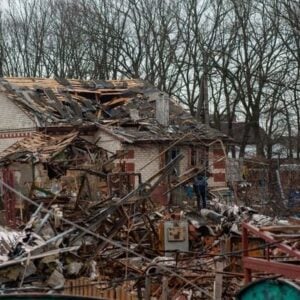
The January 2025 Los Angeles wildfires were among the most destructive in California’s history, claiming over two dozen lives and destroying thousands of structures. The Eaton Fire in Altadena and the Pacific Palisades fire were ranked the second and third most destructive in the state’s records, with total property and capital losses estimated between $76 billion and $131 billion, including up to $45 billion in insured losses. The fires burned an area more than twice the size of Manhattan Island, exposing the high risks of urban living in Southern California and highlighting institutional and policy failures that worsened the crisis. Public outrage was fueled by what many saw as inadequate preparation by city leaders and public agencies.
The wildfires were triggered by ferocious Santa Ana winds, which had been forecasted in advance, and ignited fires in multiple locations, including Altadena, Malibu, and Pacific Palisades. The Palisades Fire was linked to the reignition of a previous blaze, while the Eaton Fire was likely caused by failed power lines. The simultaneous occurrence of fires on opposite ends of Los Angeles stretched emergency response resources, limiting containment and firefighting effectiveness. Strong winds prevented aerial firefighting, and water supply issues, including dry fire hydrants, further impeded response efforts. Evacuation notifications were delayed or inaccurate, contributing to fatalities, particularly in West Altadena.
Los Angeles’s wildfire risks are amplified by its unique ecology, particularly the chaparral biome and arid climate, which foster highly flammable vegetation. Most affected areas were located in the wildland-urban interface (WUI), where residential development meets fire-prone landscapes. Rapid population growth in the WUI, fueled by single-family zoning restrictions and urban sprawl, increased exposure to fire hazards. Utility lines, both active and decommissioned, were implicated in fire ignition, and failures to monitor and extinguish earlier fires contributed to the Palisades Fire.
Infrastructure and resource challenges compounded the crisis. Water systems were insufficient for large-scale firefighting, and municipal hydrants ran dry due to high demand. The Los Angeles Department of Water and Power faced criticism for delayed shutoffs and insufficient pressure. Mismanagement of taxpayer resources and underinvestment in essential services, such as the fire department, worsened outcomes, while extensive land-use regulations limited preventive measures and housing development in safer urban areas.
Controlled burns and vegetation management were inadequately implemented, leaving forests and urban fringes overgrown and highly flammable. Homeowners often failed to maintain defensible space, and California’s insurance system, distorted by Proposition 103, reduced incentives for property-level wildfire mitigation. Zoning restrictions, CEQA, and the California Coastal Act further limited housing development in low-risk areas, pushing people into high-risk WUIs.
Experts recommend comprehensive reforms to reduce wildfire risk, including revising zoning laws to allow more housing in safer urban areas, prioritizing utility risk mitigation, removing abandoned power lines, ensuring proper fire monitoring, separating fire hydrant systems from potable water, and conducting controlled burns. Additional steps include focusing public funds on essential services, repealing Proposition 103, and streamlining permitting processes to enable housing development and wildfire prevention projects.
The 2025 Los Angeles wildfires underscored the urgent need for California to learn from past mistakes and implement proactive measures. Without significant reforms, the state remains vulnerable to future catastrophic fires, and the devastating losses experienced in January 2025 may be repeated.