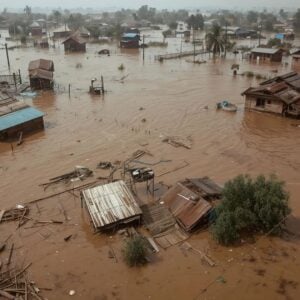
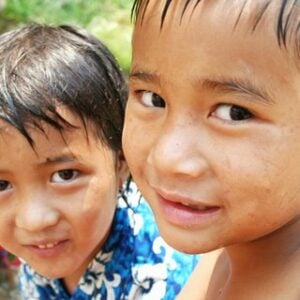
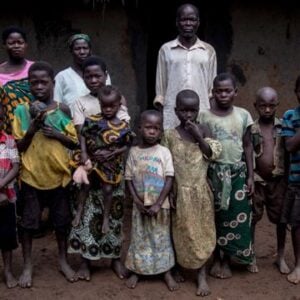
In Mali, Mauritania, and the Niger, children face compounding challenges from climate change and conflict, which together create severe economic and non-economic losses. Slow-onset processes such as changing rainfall patterns and rising temperatures, along with sudden-onset disasters like floods and storms, have gradually undermined agriculture-based livelihoods that most families rely on. At the same time, escalating conflict and fragility in the Sahel exacerbate these vulnerabilities, triggering large-scale displacement and disproportionately affecting women and children. The lack of access to essential services such as health, water, sanitation, and education further amplifies these risks, leading to food insecurity, disrupted learning, poor mental health outcomes, and heightened child protection concerns including child labour, early marriage, and exposure to violence.
To address these complex and overlapping risks, UNICEF implemented the Building Resilience in the Sahel (BRS) programme, using a humanitarian–development–peace nexus approach. Funded through flexible, multi-year support from the German Federal Ministry for Economic Cooperation and Development (BMZ), the programme strengthened resilience at individual, community, and system levels. Interventions focused on enhancing the capacity of child-critical social services—including health, nutrition, education, WASH, social protection, and child protection—while also empowering communities to plan, manage, and monitor interventions. By linking decentralized and national systems with community-based mechanisms, the programme improved equitable access to adaptive social services for children and their families, ensuring continuity of support during crises.
A participatory, bottom-up approach was central to the programme, enabling communities to identify vulnerabilities, set priorities, and design locally relevant interventions. Village committees and youth initiatives, such as Jeunes Voix du Sahel and U-Reporters, played a critical role in planning and monitoring activities, which enhanced accountability and strengthened local ownership. These approaches also allowed children and adolescents to contribute to community decision-making, ensuring that interventions were responsive to their specific needs and circumstances. Gender-responsive measures addressed girls’ differentiated access to services, including protection against child marriage and child labour, while promoting equitable access to education and health services.
The BRS programme successfully reached more than 3.5 million vulnerable people, including 2.7 million children, improving access to shock-responsive social services and mitigating both economic and non-economic losses and damages. Its integrated, long-term approach demonstrated the value of sustained funding for system-level change and illustrated the importance of partnerships with locally led organizations. By channeling resources to nearly 300 community-based partners, the programme strengthened grassroots capacity to deliver child-responsive and conflict-sensitive interventions. The experience underlines the critical role of international actors like UNICEF in bridging funding gaps, supporting local solutions, and ensuring that aid reaches children and communities in fragile and conflict-affected contexts.
This programme highlights the necessity of linking immediate humanitarian assistance with long-term resilience-building, investing in local capacity, and sustaining flexible, conflict-sensitive funding to protect children from the compounded impacts of climate change and conflict in the Sahel.