The Terms of Reference (ToR) for the evaluation of the Cameroon WFP Country Strategic Plan (CSP) 2022–2026 have been prepared by the WFP Office of Evaluation, drawing on an initial document review and consultations with the Cameroon Country Office. The document provides essential guidance for stakeholders, outlining the purpose, selection criteria, and expected activities of the evaluation team, as well as the process and phases of the evaluation.
The evaluation is grounded in the WFP Policy on Country Strategic Plans (2016) and the Evaluation Policy (2022). Its purpose is to offer an independent assessment of the Cameroon Country Office’s achievements and to generate evidence for designing the subsequent CSP, scheduled for approval in November 2027. The evaluation serves both accountability and learning objectives, aiming to inform strategic decisions and provide transparency on results to WFP stakeholders.
Key stakeholders include the WFP Country Office, the Government of Cameroon, beneficiaries of WFP interventions, donors, UN agencies, and cooperating partners. Engagement will extend to central and state institutions, such as various ministries, the interministerial committee to fight malnutrition, and civil society organizations, with special attention to vulnerable populations including refugees, internally displaced persons, ethnic minorities, women, and persons with disabilities. International partners and donors, including UN agencies, NGOs, the World Bank, and key bilateral partners, will also be consulted.
Cameroon faces significant development challenges, with an estimated 37.5 percent of the population living below the national poverty line and an HDI score indicating medium human development. The Gender Inequality Index reflects high levels of gender disparity, compounded by social norms such as early marriage that limit opportunities for women and girls. Economic, climatic, and conflict-related pressures since 2020 have further exacerbated humanitarian needs, with overlapping crises including the Lake Chad Basin insurgency, socio-political conflict in the North-West and South-West regions, and the presence of refugees from the Central African Republic. These crises have resulted in widespread displacement, food insecurity, disrupted services, and heightened vulnerabilities.
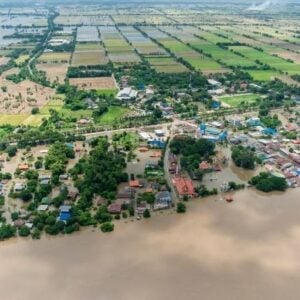
Economic shocks, such as the impacts of COVID-19 and global food crises, have affected livelihoods, while climate vulnerability, including droughts and flooding, continues to strain agriculture and infrastructure. Humanitarian access, particularly in conflict-affected regions, remains constrained, complicating the delivery of assistance and implementation of development programs. Agriculture, a critical sector employing 43 percent of the workforce, faces structural barriers and climate-related risks, which contribute to food insecurity. An estimated 2.6 million people are projected to face acute food insecurity in 2025, particularly in the Far North.
The evaluation covers the period from January 2020 to mid-2026, including the extended final years of the previous CSP (2018–2020). The current CSP (2022–2026) was designed to shift WFP’s role toward providing targeted technical support and strengthening institutional capacity in food security and social protection. The CSP streamlined strategic outcomes and activities compared to the previous plan, guided by key recommendations from the 2018–2020 CSP evaluation, which emphasized strengthening nutrition, resilience, and capacity-building, enhancing strategic partnerships, investing in evidence, and reinforcing human resource capacity for effective implementation.