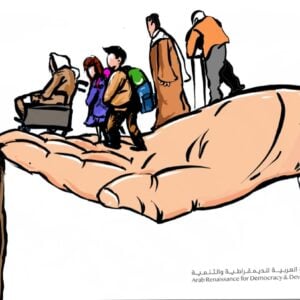
The return and reintegration of displaced individuals into their communities in Iraq is a critical phase that impacts both returnees and host communities. Families coming back from displacement face a range of challenges, including limited job opportunities, high living costs, damaged homes, and the collapse of social and livelihood structures they once relied on. A key barrier to reintegration is obtaining official documentation such as national identity cards, which are essential for accessing healthcare, education, and social support. Without these documents, returnees remain vulnerable, and their integration into communities is significantly hindered, delaying their ability to rebuild normal lives.
In response to these challenges, the Community Reconciliation and Reintegration of Iraqis returning from Syria’s Al Hol camp (CRRISA) project has been launched through a partnership between UNDP’s Social Cohesion Program in Iraq and the Human Relief Foundation (HRF). The project focuses on empowering vulnerable families by offering vocational training, business development programs, and tools or financial grants for small businesses. Additionally, the initiative provides mental health and psychosocial support to help build cohesive communities capable of overcoming the long-term effects of conflict.
The project has produced inspiring success stories, including that of Ibtisam Hamed, a 41-year-old mother from Salah Al-Din. After years of displacement, she resettled in Kirkuk with her family and overcame financial instability by enrolling in a sewing training course offered through CRRISA. She has now become a skilled craftswoman, providing for her family and planning to pass her skills on to her daughter, illustrating how vocational training can enhance economic independence and social integration.
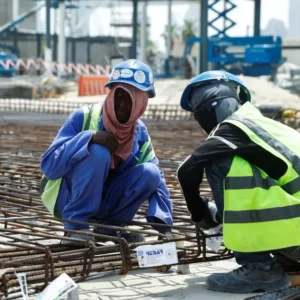
Another success story is that of Murad Saber, a 43-year-old from Hawija in Kirkuk, who benefited from specialized training in solar energy system installation and maintenance. Equipped with technical knowledge and practical skills, Murad is preparing to start his own business, aiming for financial independence and stable income. His journey highlights how targeted vocational training can transform opportunities for displaced individuals and contribute to community development.
The CRRISA project goes beyond skill-building by providing essential equipment such as solar tools and sewing kits, strengthening social cohesion between returnees and host communities, and fostering sustainable livelihoods. According to Abdul Karim Al-Obeidi, Livelihoods Specialist at HRF, these programs not only enhance employability but also support social stability and long-term reintegration.
Supported by USAID, the EU, Italy, Sida, and the Netherlands, the CRRISA project complements the Iraqi government’s efforts to address the needs of returnees from Al Hol camp. To date, 4,738 beneficiaries have received socio-economic interventions, including vocational toolkits, business grants, and mental health services. The success stories of Ibtisam and Murad exemplify how challenges faced by displaced populations can be transformed into opportunities for self-reliance, resilience, and hope, demonstrating the lasting impact of well-designed reintegration initiatives.