The Government of Ethiopia’s Refugees and Returnees Service (RRS), UNHCR, and the World Food Programme (WFP) have warned that the refugee response in Ethiopia is on the brink of collapse. Without an immediate infusion of funds, essential services such as food, water, and healthcare for over 1.1 million refugees could cease within weeks. Ethiopia, the second-largest refugee-hosting country in Africa, has experienced a surge in arrivals due to conflicts in Sudan and South Sudan, as well as drought in Somalia, but severe funding shortfalls have already forced aid agencies to cut emergency relief supplies by 70 percent in 2025.
Teyiba Hassen, Director General of RRS, emphasized that while Ethiopia has honored its commitments to protect refugees, the government alone cannot bear the immense burden. Host communities are under extreme pressure, and immediate international support is essential to avoid a humanitarian catastrophe. UNHCR Country Representative Aissatou M. Ndiaye described the situation as unprecedented and alarming, warning that decisions made now will determine whether Ethiopia’s refugee response collapses or evolves into a model of resilience and inclusion.
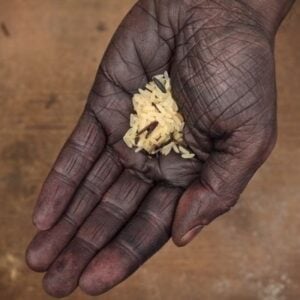
The funding shortfall has already had devastating consequences. In October 2025, WFP reduced food rations for 780,000 refugees to just 40 percent of the standard entitlement, providing less than 1,000 calories per day, while only 70,000 newly arrived refugees continued to receive full rations. Zlatan Milišić, WFP Representative and Country Director, called for US$90 million to sustain operations over the next six months, warning that without immediate funding, food assistance may be entirely suspended, exacerbating malnutrition and hunger.
Malnutrition rates in refugee camps have risen above 15 percent, with infant and child mortality rates climbing to 4.7 percent in 2025. Hospital admissions for malnutrition have more than doubled compared to the previous year. WFP analyses indicate that reducing rations from 60 percent to 40 percent will quadruple the number of families consuming poor diets and increase the likelihood of negative coping mechanisms—such as skipping meals, reducing children’s portions, selling remaining assets, or sending children to work or early marriage—by 66 percent.
Beyond food shortages, water and education services have been severely affected. Refugees now receive an average of 12–14 liters of water per day, dropping to as low as five liters in some areas, below the emergency standard of 15 liters. Funding for 57 primary schools serving 110,000 children has been exhausted, and these schools are set to close by 31 December 2025. School closures threaten not only education but also the protection of children, placing them at increased risk of early marriage, child labor, and trafficking.
The Government of Ethiopia, UNHCR, and WFP have called on the international community to match Ethiopia’s long-standing commitment to host refugees with the necessary financial support. They stressed that while Ethiopia has kept its doors open, it cannot manage this responsibility alone, and sustained international assistance is critical to prevent further deterioration and help refugees rebuild their lives with dignity.