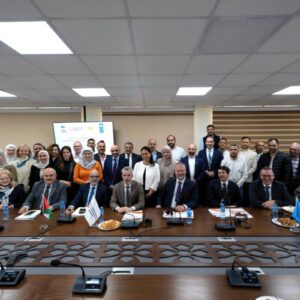
In Georgia, the Sustainable Development Goals (SDGs) are being translated into practical local solutions that improve daily life, from waste management to child welfare. Seed funding from the Joint SDG Fund has catalyzed a nationwide movement for local innovation, accountability, and inclusive growth, empowering municipalities to turn ambitious plans into measurable progress.
The joint programme, implemented by UNDP, UNICEF, and FAO, has provided Georgian municipalities with targeted investments and technical support, helping them adopt new planning tools, build cross-sector partnerships, and establish systems to track results. A major advancement has been the introduction of Voluntary Local Reviews (VLRs), allowing cities to measure and accelerate their SDG progress. Georgia’s Action-Oriented VLRs now serve as models for other regions, spreading localized action across the country.
Over 500 local and national stakeholders have been trained to align policies with SDG targets, enhancing coordination between governance levels. This has strengthened institutions, improved transparency in planning, and fostered a shared commitment to sustainable development.
Data-driven approaches have been central to this success. The creation of the Digital Needs Assessment Portal and the Child-Centered Budget Analysis framework enables municipalities to identify and address the needs of children and vulnerable families with precision. These tools allow governments to analyze spending, target social programs effectively, and develop evidence-based policies tailored to local realities.
Sustainability efforts have also advanced in Georgia’s towns. Municipalities updated their Waste Management Plans to incorporate a five-level food waste hierarchy, aligned with national legislation on food loss reduction. Community events have engaged officials, entrepreneurs, and youth in composting, food donation, and responsible consumption initiatives, improving environmental outcomes while building public awareness.
Youth engagement has emerged as a key driver of local change. Over 100 young people, 70% of them girls, have been trained as local SDG advocates, leading community projects and awareness campaigns. Their participation ensures that the next generation actively shapes their communities’ social and environmental priorities.
Georgia’s local achievements are gaining international recognition. Municipal representatives have shared best practices at the Regional Forum for Sustainable Development and strengthened capacity through study tours with UN-Habitat in Portugal. These collaborations demonstrate that when municipalities, UN agencies, and communities work together, local action can have national and global impact.
The next phase of the “Planning for Change with the SDGs” programme aims to consolidate these gains by enhancing municipal data systems, integrating SDGs into policy cycles, empowering civil society, and expanding partnerships to rural areas. Georgia’s experience shows that when municipalities are equipped with tools, data, and collaborative networks, they can transform the SDGs from distant global goals into tangible, everyday progress.