• Skip to primary navigation
  • Skip to main content
  • Skip to primary sidebar

fundsforNGOs News

Grants and Resources for Sustainability

  • Subscribe for Free
  • Premium Support
  • Premium Login
  • Premium Sign up
  • Home
  • Funds for NGOs
    • Agriculture, Food and Nutrition
    • Animals and Wildlife
    • Arts and Culture
    • Children
    • Civil Society
    • Community Development
    • COVID
    • Democracy and Good Governance
    • Disability
    • Economic Development
    • Education
    • Employment and Labour
    • Environmental Conservation and Climate Change
    • Family Support
    • Healthcare
    • HIV and AIDS
    • Housing and Shelter
    • Humanitarian Relief
    • Human Rights
    • Human Service
    • Information Technology
    • LGBTQ
    • Livelihood Development
    • Media and Development
    • Narcotics, Drugs and Crime
    • Old Age Care
    • Peace and Conflict Resolution
    • Poverty Alleviation
    • Refugees, Migration and Asylum Seekers
    • Science and Technology
    • Sports and Development
    • Sustainable Development
    • Water, Sanitation and Hygiene (WASH)
    • Women and Gender
  • Funds for Companies
    • Accounts and Finance
    • Agriculture, Food and Nutrition
    • Artificial Intelligence
    • Education
    • Energy
    • Environment and Climate Change
    • Healthcare
    • Innovation
    • Manufacturing
    • Media
    • Research Activities
    • Startups and Early-Stage
    • Sustainable Development
    • Technology
    • Travel and Tourism
    • Women
    • Youth
  • Funds for Individuals
    • All Individuals
    • Artists
    • Disabled Persons
    • LGBTQ Persons
    • PhD Holders
    • Researchers
    • Scientists
    • Students
    • Women
    • Writers
    • Youths
  • Funds in Your Country
    • Funds in Australia
    • Funds in Bangladesh
    • Funds in Belgium
    • Funds in Canada
    • Funds in Switzerland
    • Funds in Cameroon
    • Funds in Germany
    • Funds in the United Kingdom
    • Funds in Ghana
    • Funds in India
    • Funds in Kenya
    • Funds in Lebanon
    • Funds in Malawi
    • Funds in Nigeria
    • Funds in the Netherlands
    • Funds in Tanzania
    • Funds in Uganda
    • Funds in the United States
    • Funds within the United States
      • Funds for US Nonprofits
      • Funds for US Individuals
      • Funds for US Businesses
      • Funds for US Institutions
    • Funds in South Africa
    • Funds in Zambia
    • Funds in Zimbabwe
  • Proposal Writing
    • How to write a Proposal
    • Sample Proposals
      • Agriculture
      • Business & Entrepreneurship
      • Children
      • Climate Change & Diversity
      • Community Development
      • Democracy and Good Governance
      • Disability
      • Disaster & Humanitarian Relief
      • Environment
      • Education
      • Healthcare
      • Housing & Shelter
      • Human Rights
      • Information Technology
      • Livelihood Development
      • Narcotics, Drugs & Crime
      • Nutrition & Food Security
      • Poverty Alleviation
      • Sustainable Develoment
      • Refugee & Asylum Seekers
      • Rural Development
      • Water, Sanitation and Hygiene (WASH)
      • Women and Gender
  • News
    • Q&A
  • Premium
    • Premium Log-in
    • Premium Webinars
    • Premium Support
  • Contact
    • Submit Your Grant
    • About us
    • FAQ
    • NGOs.AI
You are here: Home / cat / New ILO-IOE Handbook Helps Businesses Combat Forced Labour

New ILO-IOE Handbook Helps Businesses Combat Forced Labour

Dated: November 27, 2025

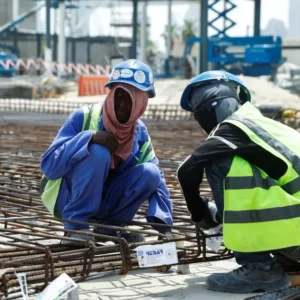
The International Labour Organization (ILO) and the International Organisation of Employers (IOE) have released the third edition of Combating Forced Labour: A Handbook for Employers and Business. The handbook is designed to help companies identify, prevent, mitigate, and account for actual and potential forced labour risks in their operations and supply chains. It also provides guidance for employers’ organizations to support their members in addressing these challenges effectively.

Forced labour affects over 27 million people worldwide, spanning borders, sectors, and supply chains. The handbook is based on international labour standards, including the ILO Forced Labour Convention, 1930 (No. 29) and its 2014 Protocol, and incorporates globally recognized frameworks such as the UN Guiding Principles on Business and Human Rights and the ILO Tripartite Declaration of Principles concerning Multinational Enterprises and Social Policy.

The handbook provides a comprehensive overview of forced labour, explaining its global scope, relevant international instruments, and the reasons companies must take action to prevent and eliminate it. It also offers step-by-step practical guidance for implementing human rights due diligence, structured around five steps: committing to and embedding anti-forced labour practices, identifying and assessing risks, taking action to address impacts, tracking the effectiveness of measures, and communicating outcomes.

Employers’ and Business Membership Organizations (EBMOs) are highlighted as critical players in supporting their members’ due diligence efforts. The handbook is aimed at a wide audience, including company management, human resources, procurement, legal, compliance, and sustainability officers, as well as industry associations, multi-stakeholder platforms, and third parties involved in corporate human rights due diligence.

By using the ILO’s 11 indicators of forced labour, the handbook provides clear guidance on translating international standards into actionable steps for companies. Andrea Davila, Coordinator of the ILO Global Business Network on Forced Labour, emphasized its practicality and usefulness for organizations seeking to prevent and address forced labour effectively.

Jason Pegat-Toquet, IOE Adviser, noted that the handbook’s value lies in its clarity and actionable approach, helping businesses navigate complex challenges and reinforcing the vital role of EBMOs in combating forced labour. First published in 2008 and updated in 2015, the handbook continues to be a key resource for companies and organizations committed to responsible business conduct.


Related Posts

  • Promoting Fair Labor Practices: Thailand’s Strategy for Competitive Trade
  • Tripartite Dialogue in Mongolia Adopts Recommendations to Promote Responsible Business and Workers’ Rights
  • Namibia Joins 20 ILO Member States Promoting MNE Declaration Through National Focal Points
  • New ILO Platform Enhances Labour Inspection and Supply Chain Compliance
  • New ILO Digital Tool Enhances Labour Inspections Across Industries and Supply Chains

Primary Sidebar

Latest News

NAC 2026-2027 Arts Funding Opportunities for South African Practitioners

Pacific Nations Engage with EU to Expand iEPA Benefits and Boost Economic Resilience

The Role of African Women in Shaping Peace Processes and Conflict Resolution

Ghana Banks Face Rising Non-Performing Loans Amid Global Trade and Security Pressures

Transforming Remittances into Investments: Ghana’s Push for Sustainable Development

Strengthening Ghana–Korea Trade Ties: GIPC Showcases Gateway Market Potential

Afreximbank Launches 2026 Accelerator Supporting Trade and Industrialisation in Africa

New Greek Law Could Criminalize Aid Workers Assisting Migrants

South Korea Faces International Scrutiny Over Death Penalty for Ex-President Yoon

Rohingya Atrocities and Political Crackdown: Myanmar’s Human Rights Emergency

Zimbabwe Minerals Marketing Authority Reports 6% Revenue Growth in 2025

Government to Unlock Advanced Nuclear Power to Boost Economic Growth

FAO Launches Free Virtual Course on Improving Ruminant Biosecurity

WHO Urges Investment in Health Security Through 2026 Emergency Appeal

UNICEF Warns Children at Severe Risk as Conflict Disrupts Aid and Health Services

WHO Warns: Cancer Cases Could Rise 50% by 2040 Without Strong Prevention

What Is Crisis Management in Digital Marketing and Why Does It Matter?

How Digital Marketing Crises Impact Brand Trust: Case Studies and Recovery Lessons

How Sustainable Brands Drive Stronger Consumer Engagement and Loyalty

Digital Marketing for Non-Profits: Strategies to Boost Awareness, & Engagement

Millions Could Die as Global Aid Collapses, New Lancet Research Report Finds

WTO Chairs Programme Receives Funding Boost from Austria

WTO Fish Fund Seeks Proposals to Advance Fisheries Subsidy Agreement Implementation

Journalists Invited to Apply for Media Accreditation for WTO MC14 in Cameroon

WTO 2026 Workshop to Strengthen Government Procurement Policy and Trade Governance

CPI Study Highlights Women-Led Climate Finance in Nepal

Allianz Launches $1 Billion Emerging Markets Climate Fund with Anchor Backing from BII

BII, Alexforbes Drive Renewable Energy Innovation with R1 Billion Revego Investment

Vodacom Foundations Pledge R6 Million for Flood Relief in Mozambique and South Africa

€13B EIB Group Investment Supports France’s Climate Goals

EIB Backs Energy-Efficient Social Infrastructure with €200 Million Loan to Hemsö

€3.5 Billion EIB Financing Positions Greece Among Top EU Beneficiaries in 2025

Why Cities Are Now at the Heart of the Global Water Crisis

IFC Invests $150 Million in Otokoç Otomotiv to Boost Electric Mobility and Jobs in Türkiye

Nigeria Issues ₦501 Billion Power Sector Bond as AFC Supports Landmark Electricity Reforms

African Development Fund Plans Historic $1 Billion Market Borrowing Amid Donor Funding Decline

Somalia on the Brink: Children Face Catastrophic Hunger as Drought, Funding Cuts Deepen Crisis

New $9.3 Million Initiative Strengthens Climate Resilience and Water Security in Kabul

UNDP–ADB Partnership 2026 Boosts Inclusive Recovery in Kyrgyz Republic

Uzbekistan Launches GIS-Based Disaster Risk System

Funds for NGOs
Funds for Companies
Funds for Media
Funds for Individuals
Sample Proposals

Contact us
Submit a Grant
Advertise, Guest Posting & Backlinks
Fight Fraud against NGOs
About us

Terms of Use
Third-Party Links & Ads
Disclaimers
Copyright Policy
General
Privacy Policy

Premium Sign in
Premium Sign up
Premium Customer Support
Premium Terms of Service

©FUNDSFORNGOS LLC.   fundsforngos.org, fundsforngos.ai, and fundsforngospremium.com domains and their subdomains are the property of FUNDSFORNGOS, LLC 1018, 1060 Broadway, Albany, New York, NY 12204, United States.   Unless otherwise specified, this website is not affiliated with the abovementioned organizations. The material provided here is solely for informational purposes and without any warranty. Visitors are advised to use it at their discretion. Read the full disclaimer here. Privacy Policy. Cookie Policy.