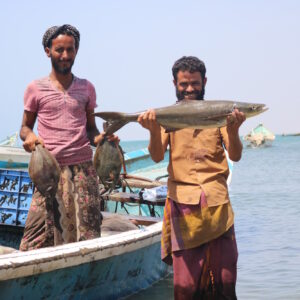
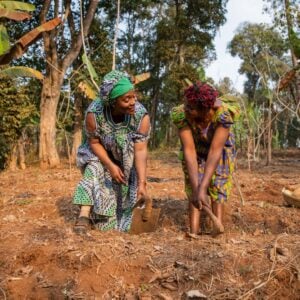
A farmer harvesting melons in Somalia’s drought-prone fields reflects the tangible progress made through initiatives like the Drought Resilience and Sustainable Livelihoods Programme. Her success demonstrates what becomes possible when communities gain access to water and productive resources, and it symbolizes Somalia’s broader transition marked by improved security, deeper political engagement, and renewed reform efforts.
Despite these gains, Somalia continues to grapple with major structural constraints. The country faces a severe infrastructure deficit, recurring climate shocks, macroeconomic instability, limited access to affordable finance for the private sector, and weak institutional and human capacities. These challenges, compounded by socioeconomic fragility and tight fiscal space, continue to shape daily life and hinder sustainable progress.
At this critical juncture, the African Development Bank Group’s Board of Directors has introduced the Somalia Country Strategy Paper (CSP) for 2025–2030. This forward-looking framework aims to strengthen public institutions, expand essential infrastructure, and drive inclusive economic growth. Developed in partnership with government institutions, civil society, private sector actors, and development partners, the strategy is grounded in a comprehensive Country Diagnostic Note that identifies the root causes of fragility.
The CSP prioritizes two key areas: building sustainable, high-quality infrastructure and enhancing financial and economic governance. The Bank plans to scale up investments in energy, transport, and water and sanitation systems—critical sectors that can provide more reliable electricity, better-connected transport networks, and expanded access to clean water, ultimately bolstering public health and reducing vulnerability to drought and displacement.
Central to the strategy is a renewed push for economic governance reforms. These efforts focus on strengthening public financial management, improving revenue mobilisation, modernising customs systems, and building institutional capacity to attract private investment. Together, these reforms will help Somalia confront structural drivers of fragility, such as weak institutions, low productivity, inadequate infrastructure, and climate vulnerability.
The new strategy aligns with Somalia’s Centennial Vision 2060, its National Transformation Plan for 2025–2029, and the African Development Bank’s Ten-Year Strategy. In presenting the CSP, AfDB Lead Operations Advisor Bubacarr Sankareh highlighted its collaborative development process and its goals of increasing economic opportunities, supporting job creation, improving climate resilience through climate-smart infrastructure, and strengthening state capacity to deliver essential services.
Sankareh emphasized that the CSP is informed by an in-depth analysis of Somalia’s longstanding challenges, including the infrastructure deficit, high cost of finance, macroeconomic imbalances, climate shocks, and institutional fragility. As Somalia navigates a fragile yet promising transition, the strategy is designed to unlock the country’s potential by reinforcing institutions, building resilient infrastructure, and promoting inclusive growth that reaches all communities.