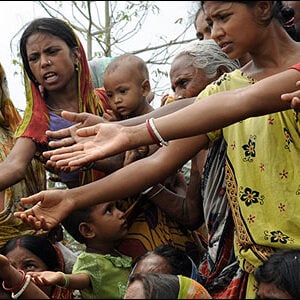
By 2026, an estimated 318 million people are projected to face crisis levels of hunger or worse, more than twice the number recorded in 2019, according to the World Food Programme’s (WFP) 2026 Global Outlook. International support for the world’s most vulnerable populations remains slow, fragmented, and underfunded, leaving many unable to access the assistance they desperately need. UN Deputy Secretary-General Amina Mohammed emphasized that the poorest bear the brunt of conflicts and decisions made far from their communities, using the African proverb, “When the elephants fight, it is the grass that suffers,” to highlight the disproportionate impact on innocent civilians.
This humanitarian crisis affects civilians in regions such as Sudan, Gaza, Haiti, Yemen, the Sahel, and the Democratic Republic of Congo, among others. Families are enduring extreme hardships as a result of wars and crises they did not initiate, highlighting the urgent need for coordinated international action. WFP plays a crucial role in providing emergency food, nutrition, and support to those on the frontlines of conflicts, climate disasters, and displacement.
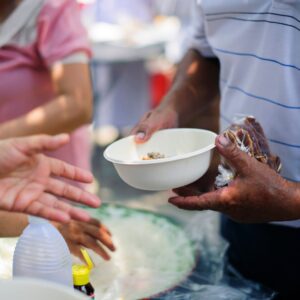
In 2026, WFP aims to assist 110 million vulnerable people at an estimated cost of $13 billion. The support will include emergency food provision, nutrition programs, community resilience initiatives, and technical assistance to strengthen national systems. Executive Director Cindy McCain stressed the urgency of addressing simultaneous famines in Gaza and parts of Sudan, calling the situation “completely unacceptable in the twenty-first century” and underscoring the need for more robust international support.
Key strategies to combat global hunger include investing in climate adaptation, promoting peace, supporting local markets, and ensuring women and youth have meaningful participation in decision-making. Early, effective, and innovative interventions have repeatedly demonstrated the ability to save lives, but continued global cooperation and increased funding are essential to end hunger and build resilient, food-secure communities worldwide.